The Iberian Peninsula has been identified throughout history with various names, with Iberia being one of the oldest and most recognized. A recent hypothesis, included in the study by historian Antonio García y Bellido, suggests that this denomination might come from a river located in the southwestern peninsula, specifically in the province of Huelva.
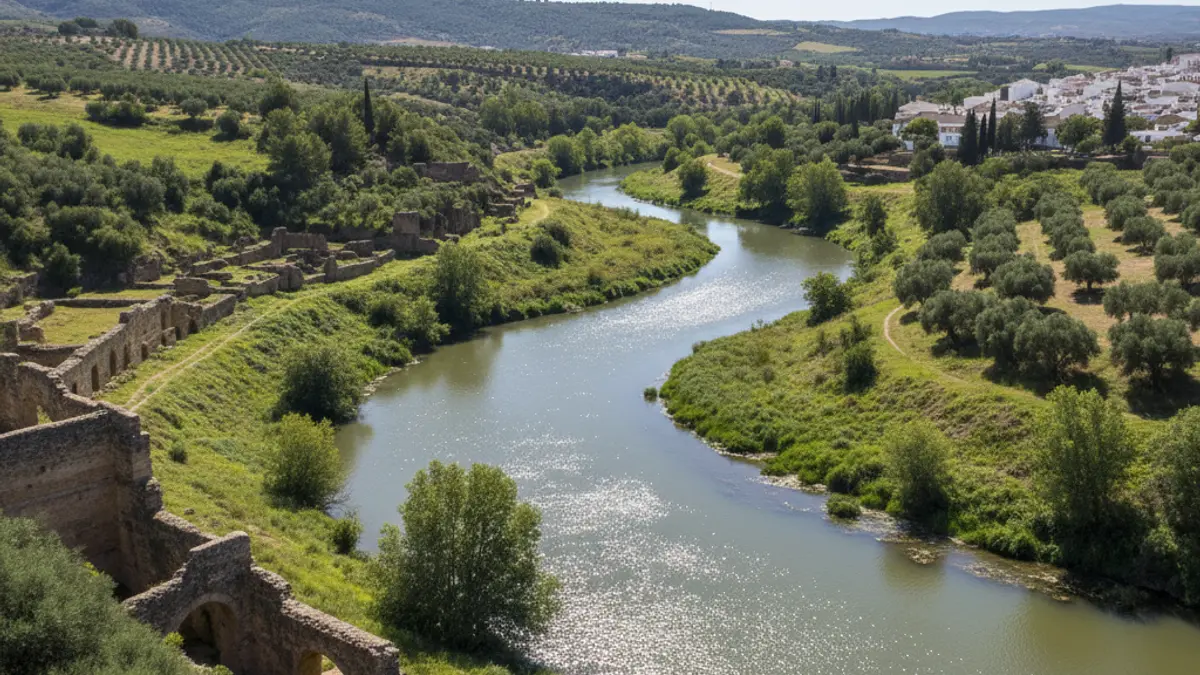
Traditionally, the name Iberia has been associated with the Ebro River. However, García y Bellido's research, detailed in his work Los más remotos nombres de España, offers an alternative interpretation. The historian relies on classical texts describing a river called Hiberus on the Huelva coast, which could correspond to the current Tinto or Odiel rivers.
“"Some ancient authors suggested that the name of the Iberians might have come from this southern river, and not from the great river of the northeastern peninsula."
This theory is supported by the Ora Maritima, a geographical poem attributed to Rufus Festus Avienus from the 4th century AD, which describes the coast of pre-Roman Hispania. This text mentions a river that some researchers identify with the area around Huelva, suggesting that the Iberians took their name from it. Furthermore, the account differentiates regions, placing a region called Hiberia to the west of the river and mentioning peoples like the Tartessians to the east.
The argument gains strength when considering the historical importance of the southwestern peninsula in pre-Roman times. The copper mines of the province of Huelva and the presence of enclaves linked to Tartessos made this area a crucial center for commercial exchange and mining activity in the Western Mediterranean. For Greeks and Phoenicians, this region was well known long before other inland or northern areas.
Although there is no absolute consensus on the origin of the term Iberia, García y Bellido's proposal revalues the historical role of Huelva as one of the oldest and most strategic territories on the peninsula.