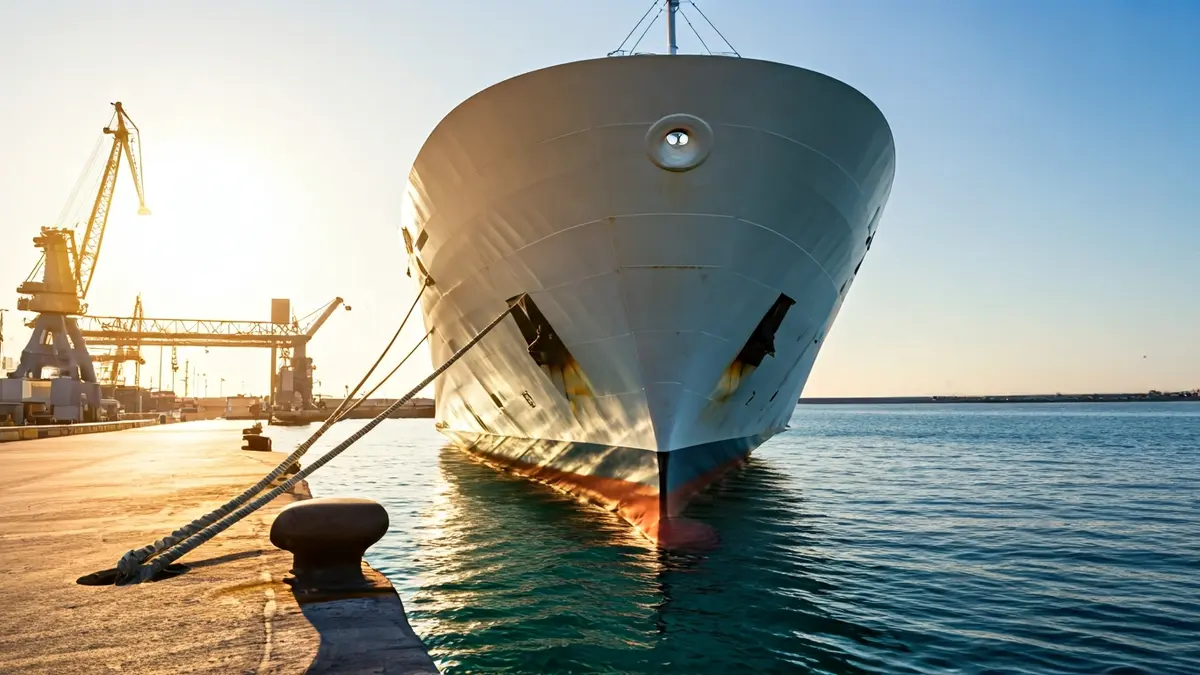
What was supposed to be a routine journey from the port of Tarifa to Tangier City aboard the Cecilia Payne, operated by Baleària, turned into a prolonged ordeal for its nearly 300 passengers. The vessel, scheduled to depart at 9:00 AM, suffered a breakdown that left it immobilized at the dock, triggering an odyssey lasting over three hours.
The peculiar aspect of the situation was that, despite the ferry remaining docked in Spain, passengers had already completed the passport stamping process on board, a standard procedure on Strait routes that legally places them in Moroccan territory. This circumstance prevented them from leaving the vessel, creating a frustrating situation of confinement.
The wait extended well past midday. Baleària has apologized to the affected travelers for the inconvenience caused.
The lack of clear information from the crew during the hours of detention exacerbated the passengers' discomfort, as they were unaware if the ship would resume its route, if an alternative would be offered, or if they would have to reverse the immigration process to return to land. Ultimately, a solution came from another shipping company, Africa Morocco Link (AML), whose catamaran María Dolores, scheduled to depart from Tarifa at 12:00 PM, took charge of the stranded passengers.
The Cecilia Payne incident not only affected those on board but also created a ripple effect on maritime operations. The vessel Avemar Dos, also from Baleària, which was scheduled to arrive in Tarifa at 10:00 AM, had to be diverted to the port of Algeciras due to the occupied berth. The Cecilia Payne, a fast ferry built in 1999, is known for its speed and capacity for up to 800 passengers and 200 vehicles. Baleària has not yet specified the technical causes of the breakdown or the compensation measures for those affected.