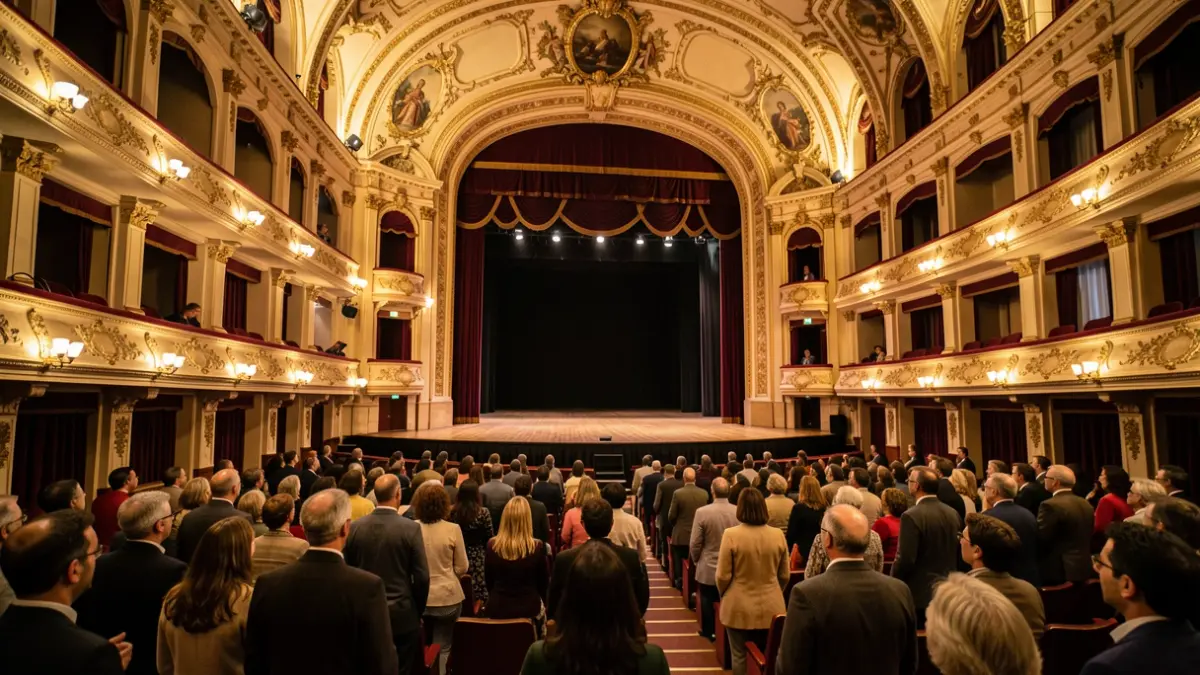
On February 20, 1811, the Spanish Monarchy's Cortes Generales and Extraordinary held their final parliamentary session in Isla de León. Presided over by the Mexican priest Antonio Pérez y Martínez Robles, a deputy for Puebla de los Angeles, the day concluded with emotional tributes to the city. Following a swift transfer, the Cortes reconvened in Cádiz four days later, concluding 332 sessions that had begun on September 24, 1810. During this period, 38 significant decrees were issued, laying the groundwork for national sovereignty, the separation of powers, and freedom of the press, in addition to initiating the draft of the future Constitution.
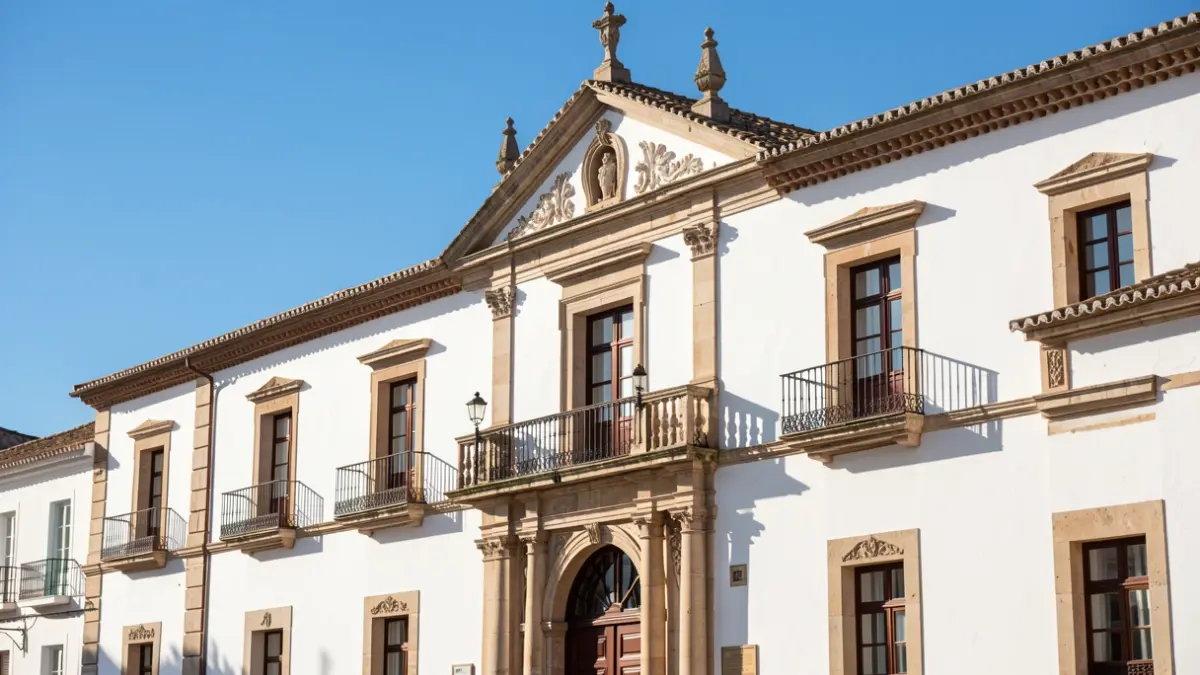
In recognition of its services during the War of Independence and for hosting the Cortes, the town of Real Isla de León was granted the title of the city of San Fernando on November 27, 1813, in honor of King Fernando VII.
The choice of Isla de León as the seat was not without controversy. On September 9, several deputies had requested the move to Cádiz, arguing that the Island was an advanced and exposed position. Once established, the need for a move to a safer location arose, both due to the proximity of French troops and the fear of yellow fever epidemics. Deputy Agustín de Argüelles highlighted the imprudence of keeping the Cortes on the front line of defense.
In a secret session on October 6, 1810, the Extremaduran deputy Antonio Oliveros proposed moving to the San Felipe Neri house in Cádiz, but requested a prior study on health guarantees. Opinions were divided, and Deputy García Quintana urged the transfer, but not to Cádiz due to the ongoing epidemic. Deputy Ramón Lladós from Catalonia also proposed the change, avoiding Cádiz due to contagion risk, a proposal that was rejected multiple times.
On November 19, Catalan deputy Antonio Capmany warned of an imminent danger of falling into enemy hands, proposing a forced move to Cádiz. Madrid deputy José Zorraquín demanded explanations for his alarmist sources. On November 28, three commissioners were sent to Cádiz to prepare the Church of San Felipe Neri. However, Deputy Simón López de Or from Murcia objected on religious grounds, deeming the move a desecration.
During the secret session of December 14, the potential tightening of the siege of the Island by Marshal Soult was discussed, and the Mexican delegation offered to relocate the Cortes to the kingdom of Mexico if necessary. In early January 1811, the surprise of the English and Portuguese ambassadors regarding the continued sessions in Isla de León spurred the issue. Deputy Andrés Morales de los Ríos from Cádiz defended the city, leading to a vote in favor of moving to Cádiz by 60 votes to 42 on January 10.
An official request was sent to the Regency to arrange accommodations in the Church of San Felipe. On February 20, during the last session in the Theatre, Deputy P. Joaquín Lorenzo Villanueva from Valencia proposed that the venue be preserved as a memorial to the Fatherland, suggesting inscribing "ESPAÑA LIBRE, 24 SEPTIEMBRE DE 1810" on its facade and placing it under the custody of the Navy Department, with plans for a future temple dedicated to Our Lady.
Deputy José Mejía Lequerica from Santa Fe called the proposal laudable but noted the need to ascertain if the building's owner wished to sell and if funds were available. Deputy Felipe Aner de Esteve advocated for the building to become "property of the Nation," even obliging the owner to sell if necessary. The Congress agreed to discuss the proposition, but the venue reverted to being a theatre. In 1813, during another yellow fever epidemic in Cádiz, the Cortes met in the Church of El Carmen due to the theatre owner's reluctance over outstanding payments. Efforts to reclaim its historical significance began in 1887, and it was declared a Historic Artistic Monument on December 3, 1935.