The Executive has launched the Climate Social Plan, an initiative endowed with 9.099 billion euros. Its objective is to promote sustainability and energy savings in households, protecting the most vulnerable groups from rising prices and fossil fuel dependency. The plan, currently in public consultation, focuses on two key areas: buildings and road transport.
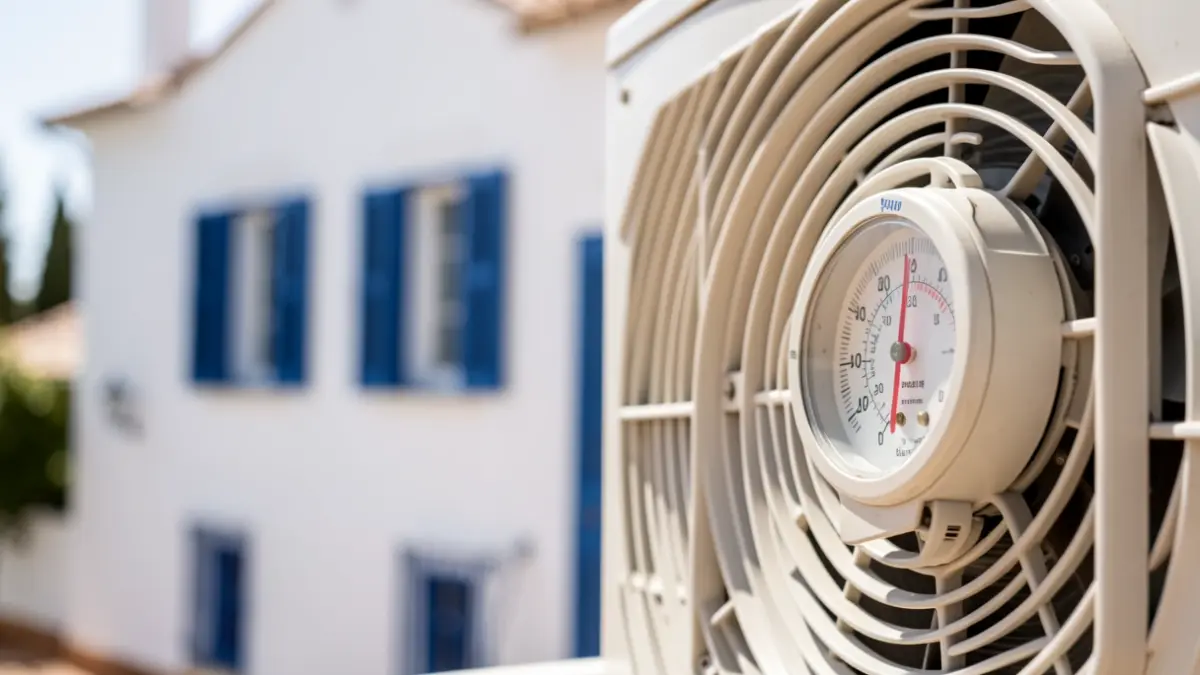
One of the highlighted measures within the plan involves improving climate control and thermal comfort in homes, especially those with lower energy performance. The renovation of cooling systems and access to more efficient solutions are seen as ways to reduce electricity costs and alleviate energy bills, a crucial need in regions like Andalusia, where air conditioning is essential during summer months.
Driven by the Ministry for Ecological Transition and the Demographic Challenge (MITECO), the plan seeks to facilitate the decarbonization of the economy, improving quality of life and social equity. The total investment is divided into 4.723 billion euros for buildings and 4.376 billion euros for transport. The document will be presented for public hearing until the end of June, with the aim of submitting it to the European Commission before the year's end.
Building initiatives include promoting affordable housing, comprehensive rehabilitation in vulnerable neighborhoods and urban areas, improving residential buildings and individual homes, fostering energy communities and self-consumption, establishing one-stop advisory shops (RED-ACTÚA), and implementing express intervention pilot projects for households in thermal emergency situations and public centers.
While improving climate control is a relevant focus, the plan does not provide direct, widespread grants for air conditioning replacement. Subsidies will primarily target interventions that globally enhance home efficiency, such as thermal insulation or replacing old fossil fuel systems with more efficient and less polluting alternatives, integrated within a broader energy-saving strategy.