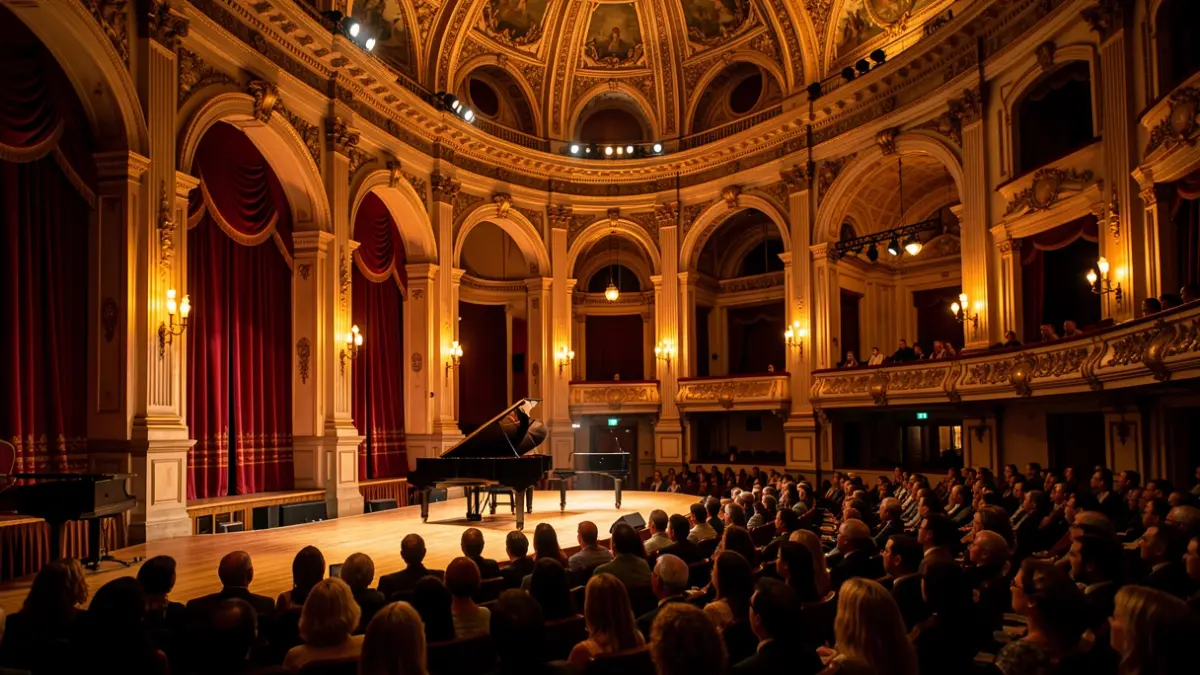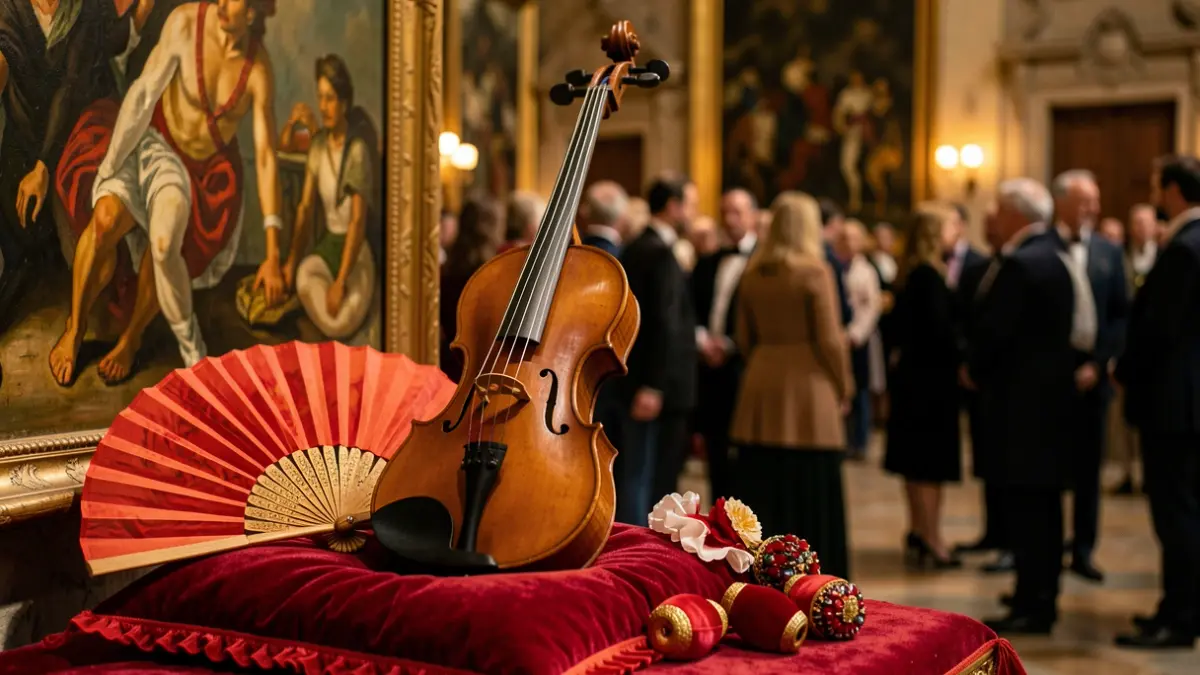
The performance, titled Paraíso perdido (Lost Paradise), is part of the 21st Flamenco Festival in the British capital, offering a sonic and visual journey inspired by the Baroque era and 17th-century Seville.
Fahmi Alqai, the Seville musician, expressed his excitement about performing in such an iconic venue, commenting that "in London, we've gone to the crown jewels." The initiative came at the request of the festival itself and the Instituto Cervantes.
Patricia Guerrero, current director of the Ballet Flamenco de Andalucía, highlighted the special connection created when dancing in front of a work of art. "Painting is something that fills me with inspiration," she stated, noting that this project "fits very well with museum spaces."
The duo, who have collaborated on previous projects, including at the Prado Museum, believe music and painting are complementary arts. "If it's well done, if there's a good concept behind it and the elements are optimal, I always find it an interesting idea," noted Alqai.
Paraíso perdido, which premiered at the last Bienal de Flamenco de Sevilla, explores the tradition of Spanish Baroque dance and its evolution. The format presented in London has been adapted to the specific space and circumstances of the gallery.
Guerrero described the production as "different from its origin," being a duo of viola da gamba and flamenco dance, now enriched by the depth and truth of Zurbarán's work.
The performance travels to 17th-century Seville, exploring dances such as folías, canarios, chaconas, and zarabanda, which fascinated and scandalized the upper classes, connecting cultures and contrasts.
The evening at the National Gallery will include a lecture by Alicia Navarro on transatlantic dances and their Baroque contrasts, culminating in a chacona where flamenco is stylized and the music takes on an exuberant character.
Alqai described his connection with Guerrero as "love at first sight" that changed his path, calling her a "great artist" and feeling she is "part of my family." The dancer, in turn, considers herself "a bit Baroque" thanks to him, exploring new artistic languages.
The musician, known for his work with Accademia del Piacere, recalled his early affinity for flamenco through artists like Camarón and Paco de Lucía, naturally integrating it into his artistic discourse.
Guerrero highlighted the work of the director of the Flamenco Festival, Miguel Marín, in creating an audience in London that eagerly awaits the annual flamenco event, filling theaters like the Sadler’s Wells.