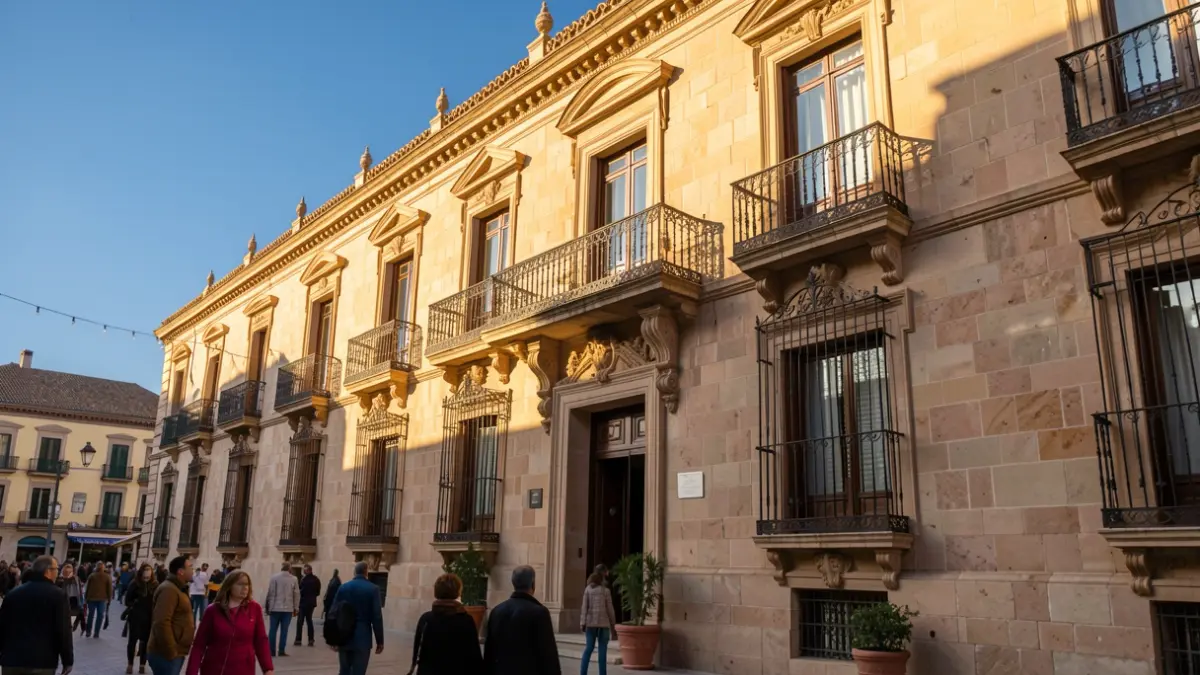
The discovery of these archaeological remains occurred at the former establishment of the Becerra family, a name deeply rooted in Sevillian hospitality. Enrique Becerra, who managed the restaurant for over forty years, and his son Jesús, the current owner of the plot, have witnessed history emerge beneath their feet at an emblematic street intersection that includes Joaquín Guichot, Gamazo, Jimios, and Zaragoza.
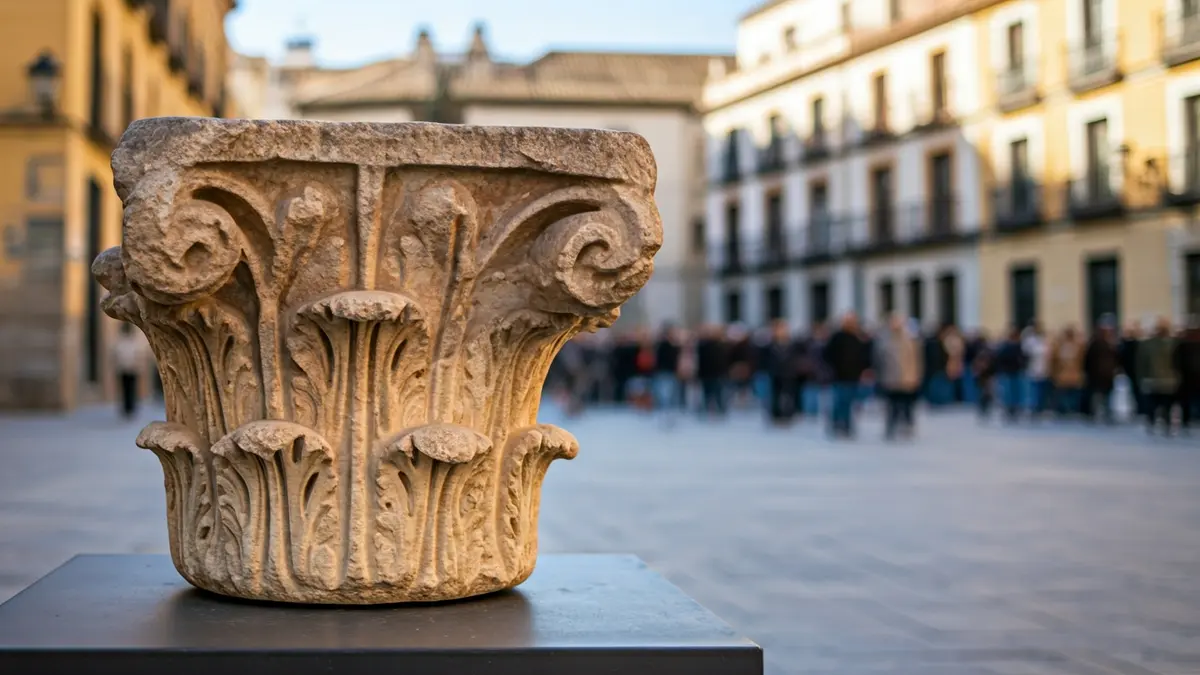
The Itálica column is one of several elements that appeared during a facade beautification campaign in “emblematic” local spots, promoted by Mayor Alejandro Rojas-Marcos in parallel with the Urban plan preceding Expo 92. According to Enrique Becerra, his father-in-law, a builder, acquired these columns from Enrique Pavón, known for demolitions, and several are scattered along Zaragoza Street.
The venue, which opened as Becerra restaurant on October 31, 1979, was a key meeting point for politicians during the democratic transition, hosting gatherings of socialists, communists, and Andalusian nationalists. It was also the birthplace of the Club Dumas, a literary group formed by Arturo Pérez-Reverte, the late Rafael de Cózar, and Juan Eslava Galán, who encouraged Enrique Becerra to venture into writing.
The area where the discovery was made boasts a rich history. Historian Reyes Pro highlights that the Arquillo de Atocha was one of the entrances to an area that was once a hub of brothels. This four-street intersection, now corresponding to Mariano de Cavia Street, was known as El Golpe, a reference to the film The Sting starring Robert Redford and Paul Newman.
The Hotel Inglaterra, inaugurated in 1857, is contemporary with these urban changes and has witnessed the square's evolution, from a bus stop to a failed metro station. The naming of a street after Manuel Otero Luna, father of the current hotel director, honors a hotelier and business leader who served as a Three Kings parade participant in 1975.