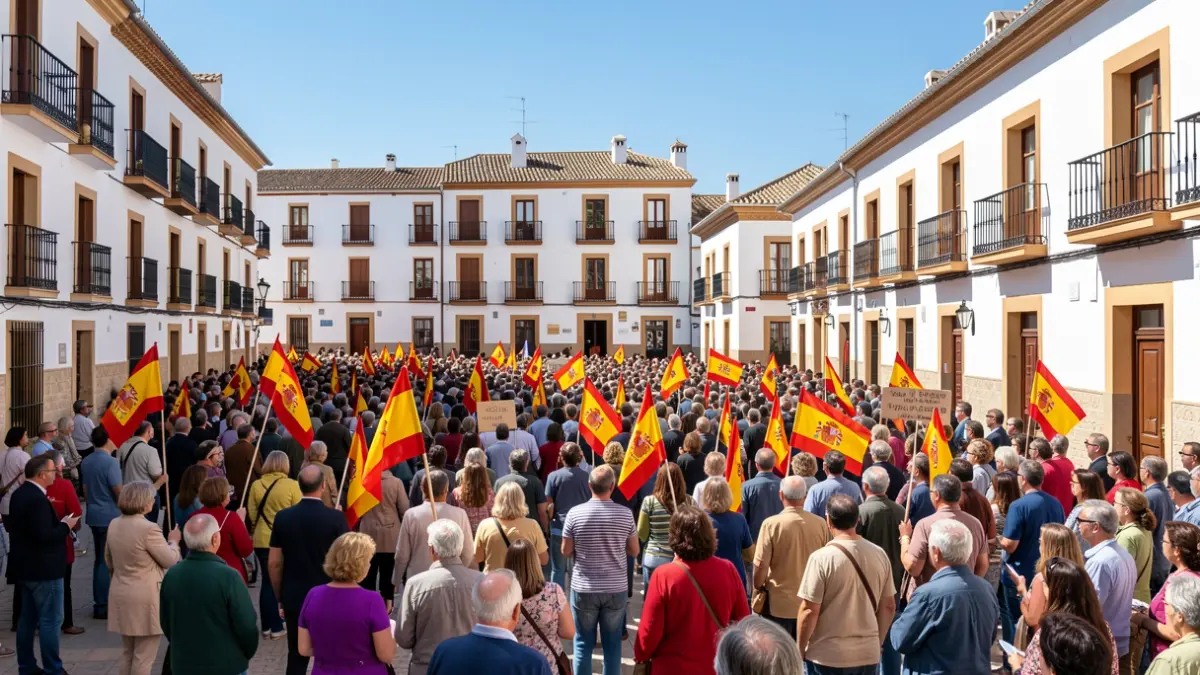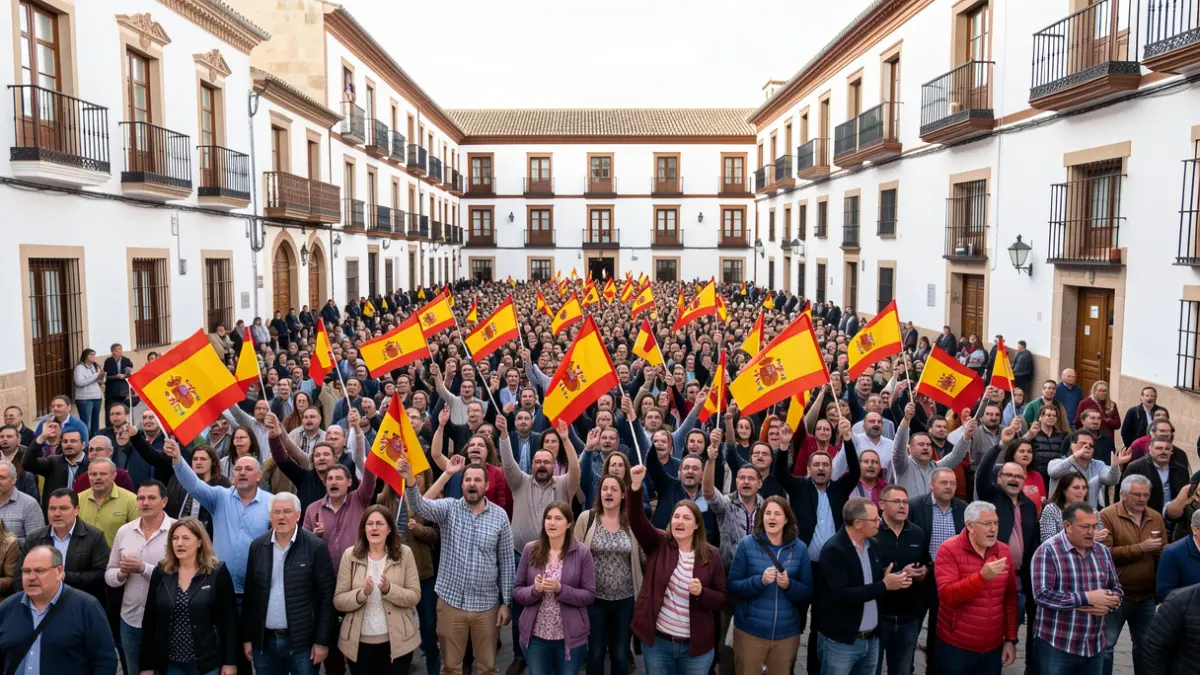
Within the socialist sphere, the campaign focuses on small, close-knit meetings with various sectors, a tactic reminiscent of that used in 2012. This approach aims to maximize social media impact and foster personal contact with voters. Concerns about a prominent figure's continuity in her seat in Madrid are a recurring theme, while the provincial leadership faces the resignation of two executive members due to disagreements over regional lists.
For its part, the Popular Party has received a boost from a poll that places it close to an absolute majority. The party advocates an «Andalusian way» to govern alone, seeking to distance itself from controversial pacts. The involvement of relevant figures in regional affairs and the expectation that some councilors will leave their seats to focus on government tasks, opens the door for new colleagues on the lists.
“"The Popular Party advocates an «Andalusian way» to govern alone, «with a sufficient majority»."
In the left-wing spectrum, the Por Andalucía coalition is preparing to receive support from Sumar ministers at an event in Málaga, aiming to back their candidate for the presidency of the Junta. This event seeks to project an image of unity, despite the existence of two left-wing candidacies in the community, including Adelante Andalucía. The participation of Podemos members, albeit with some reluctance, is also part of this strategy.
The campaign has also seen movements in the capital's municipal group, where a spokesperson's recent paternity has led to his temporary leave, distancing him from the campaign. In his group, the general secretary, who is not on the lists, has returned to her job at a financial institution. These changes suggest a significant renewal in the capital's municipal lists, with the possible inclusion of prestigious independents.