The Andalusian PSOE finds itself in a moment of deep reflection following recent electoral results, which have raised internal alarms. Despite expectations of worse figures, securing 28 deputies has been a cause for concern, particularly due to the low capitalization of increased voter turnout and the inability to win in most major cities. The disconnect with urban and middle-class voters, as well as the loss of seats in key provinces like Granada and Huelva, are critical points in the analysis.
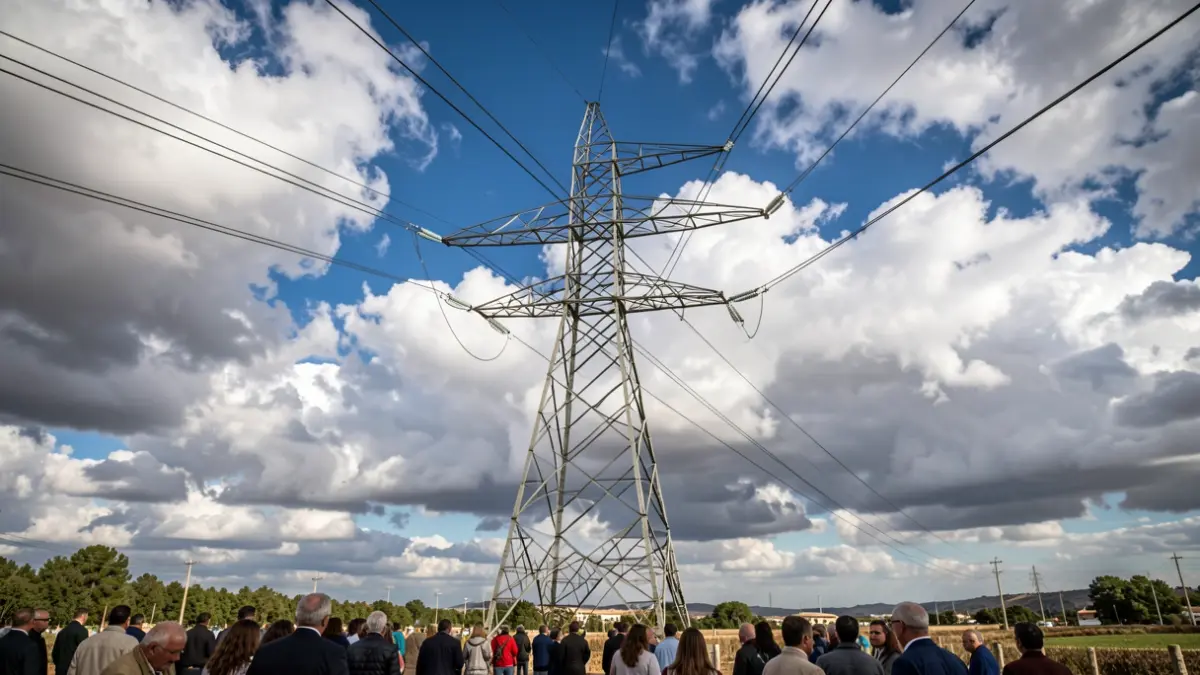
Party sources indicate that the origin of the electoral slump dates back much further than the campaign. Factors such as the investiture of Salvador Illa, the internal crisis leading to the change between Juan Espadas and María Jesús Montero, investigations into figures like José Luis Ábalos and Santos Cerdán, and the tragedy in Adamuz, have marked a complex period. Nevertheless, it is considered that "furniture has been saved" by halting the bleeding of votes, partly thanks to the growth of Adelante Andalucía and the wear and tear on Juanma Moreno in rural areas.
Self-criticism is palpable across all party levels. There is an open debate about the loss of connection with the moderate electorate, a relationship model with citizens considered "outdated," the weight of internal party dynamics, and a lack of "internal renewal." The primary concern is focused on the municipal elections of May 2027, where the Andalusian PSOE has a significant stake in its future.
The leadership of the Andalusian PSOE, along with some provincial leaderships such as Seville, has initiated local analyses with an eye on the municipal elections. The priority is clear: "we cannot lose a single day." Detailed reports are being compiled by municipality and electoral section to defend the provincial councils of Seville and Jaén, and to aim for the recovery of Cádiz and other mayorships.
The political calendar is taking shape with the PSOE Committee convened for June 27th to kick off the primaries. The objective is to resolve the candidacies for the major cities before August. Although no one anticipates an early election, the final decision rests with Pedro Sánchez. The PSOE's national strategy views the pact between PP and Vox in Andalusia as an opportunity for mobilization ahead of the general elections.
The leadership of María Jesús Montero, Pedro Sánchez's second-in-command, remains in focus, although any significant organizational move would depend on the President of the Government. After three general secretaries in five years, the Andalusian PSOE seeks to consolidate a leadership that can face future challenges, with a view towards the next congress and defining the opposition strategy, especially in light of the pact between PP and Vox.