A research team from the INGEMATS project, led by doctors Carmen Martínez García and Mª Teresa Cotes Palomino, has technically proven the feasibility of manufacturing construction materials using only industrial and agricultural waste as raw material. This innovative process employs concentrated solar energy as a heat source during the firing stage, completely eliminating the need for fossil fuels and positioning the Jaén institution at the international forefront of sustainable materials.
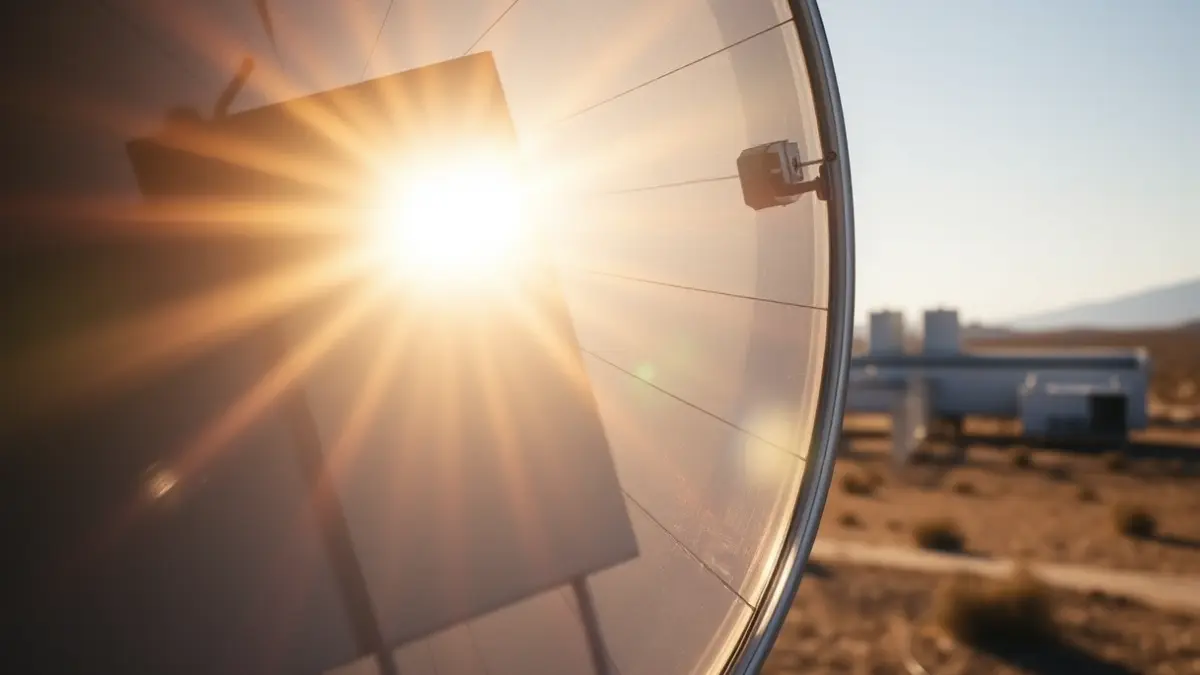
The technological core of this project lies in the collaboration with the Plataforma Solar de Almería, a leading solar research center in Europe. By utilizing horizontal axis solar furnaces available at this facility, the team successfully sintered Artificial Light Aggregates (ALAs) in ultra-fast cycles. The results are remarkable: the process not only matches the mechanical properties obtained through traditional sintering, which consumes large amounts of fossil fuel energy, but does so with drastic energy savings and without the polluting emissions associated with conventional ceramic and construction material firing methods.
One of the most innovative aspects with significant potential for direct application in Andalucía is the use of local waste as raw material. The INGEMATS project has validated the use of natural stone cutting sludge and olive grove by-products, such as olive paste, transforming them into what researchers call “technological nutrients.” This turns waste, previously an environmental and economic problem, into a high-value resource within a circular and sustainable production chain.
“"This approach directly contributes to several Sustainable Development Goals of the 2030 Agenda, particularly SDG 13 for climate action and SDG 7 for affordable and clean energy, reinforcing the University of Jaén's commitment to research aimed at the great global challenges of our time."
The INGEMATS project, funded by the PAIDI 2020 Plan of the Junta de Andalucía, was developed by an international consortium including universities from Castilla-La Mancha, Granada, Modena and Reggio Emilia (Italy), Aveiro (Portugal), and the CERTE research center (Tunisia), with the University of Jaén scientifically leading the consortium. The results of INGEMATS will be continued through the Green CD Waste project, also led by doctors Martínez García and Cotes Palomino, which aims to bring these advancements closer to the industrial sector for their adoption at a real production scale.