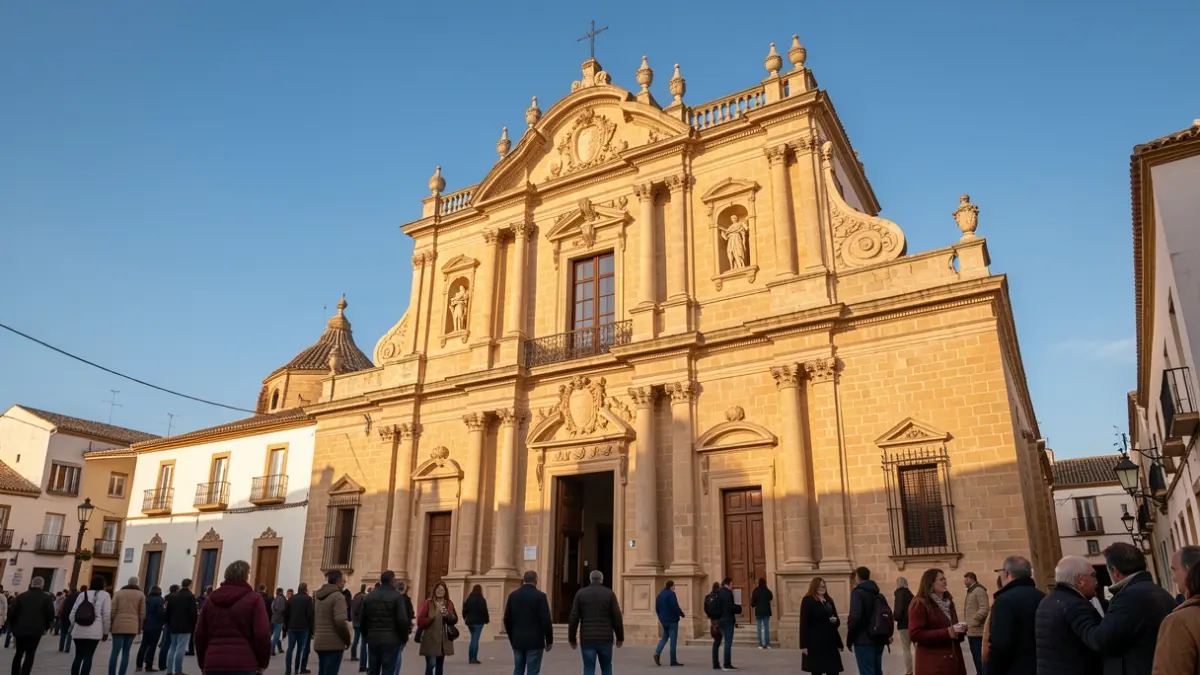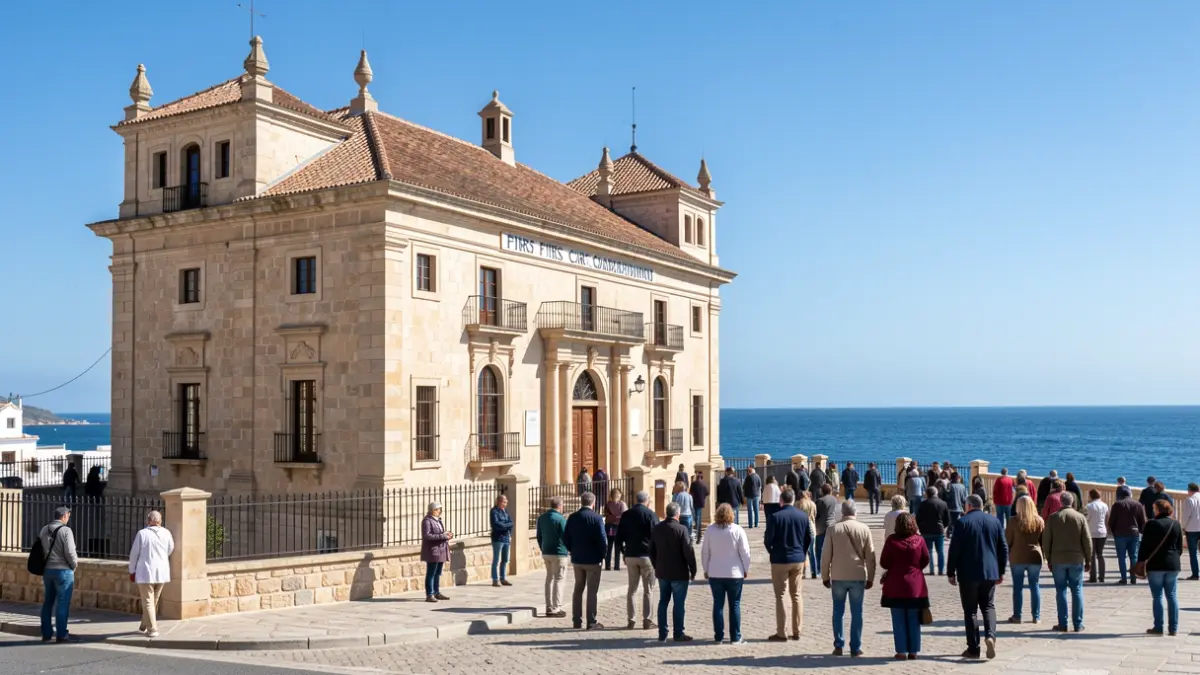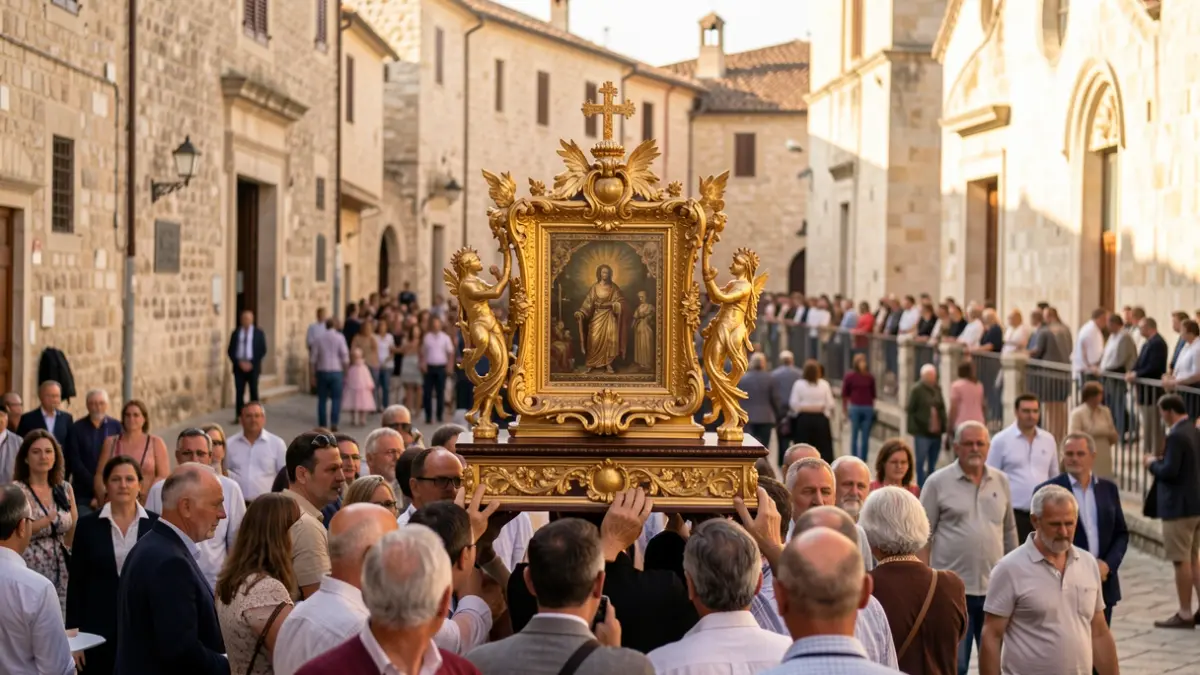
The reappearance of this 16th-century icon, historically linked to local farmers, has surprised the residents of Huelva. The statue, originally known as the Virgen de Gracia, was restored following the events of July 1936, when the San Pedro temple suffered significant damage and the loss of its artistic heritage.
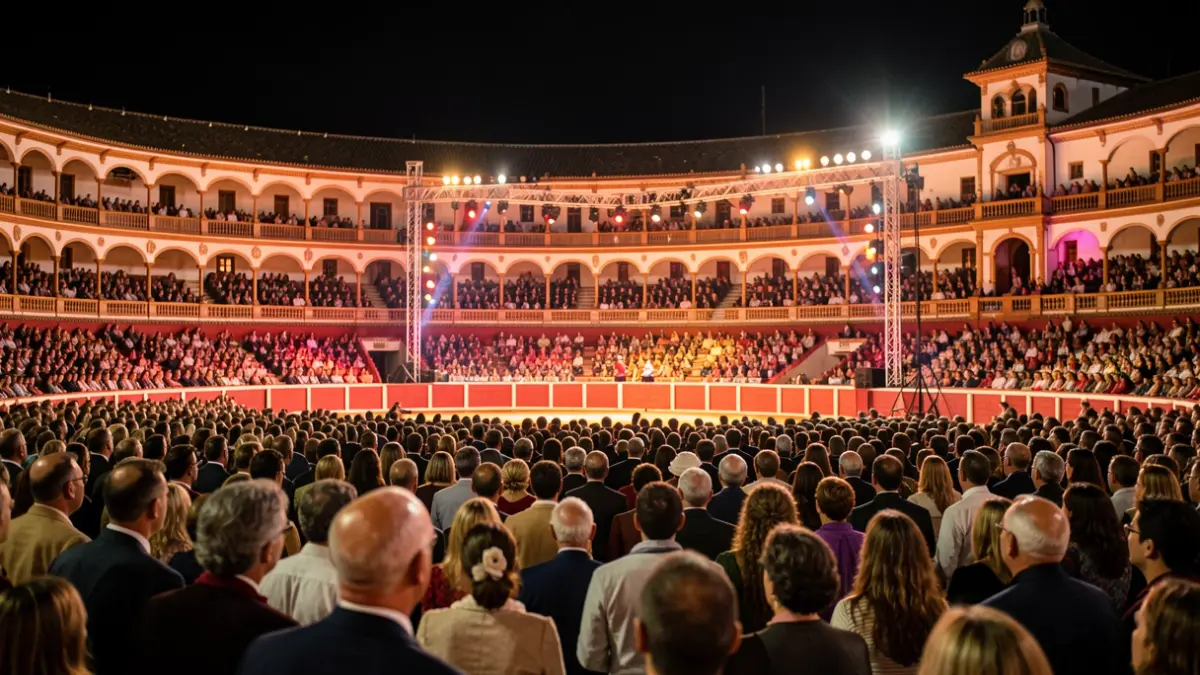
The Virgin's presence in the Eucharistic festival coincides with the integration of the Pasión Brotherhood into the Sacramental of San Pedro, the oldest corporation in the city. This event allowed for a comparison of the city's evolution through old photographs, which depicted a social and religious structure very different from today's.
One of the most significant changes noted during the day was the participation of a group of young women as altar servers. This fact contrasts with the processions of the mid-20th century, when female presence in these roles was non-existent, marking a step forward in integration within parish life.
Devotion to this icon, documented since the 16th century, was essential in past times, especially during prayers for rain. Although after the creation of the Huelva diocese in 1954, official worship focused on other advocations, this Sunday's procession served to recover an essential part of the city's historical and religious memory.