The rescue, lifeguard, and health care service deployed along the seven kilometers of coastline in Torremolinos has finished the summer season with a total of 725 recorded incidents. Wounds and minor injuries topped the list with 392 interventions.
Other common incidents on the municipality's four beaches (Los Álamos, Playamar, Bajondillo, and La Carihuela) included jellyfish stings, with 93 interventions, and stingray stings, with 58.
Throughout the bathing season, 87 aquatic rescues were carried out, all with satisfactory outcomes. The ambulance service performed 95 interventions, including several transfers to health centers for medical evaluation.
A notable intervention involved assisting a swimmer who suffered cardiac arrest on May 16 at Playamar. Rescue professionals immediately initiated cardiopulmonary resuscitation maneuvers and used an automated external defibrillator (AED), a coordinated effort in the initial minutes that helped recover the patient.
The accessible bathing points, four areas equipped for people with reduced mobility, registered 422 assists. These spaces featured equipment such as walkways, access ramps, amphibious chairs, and hydraulic cranes.
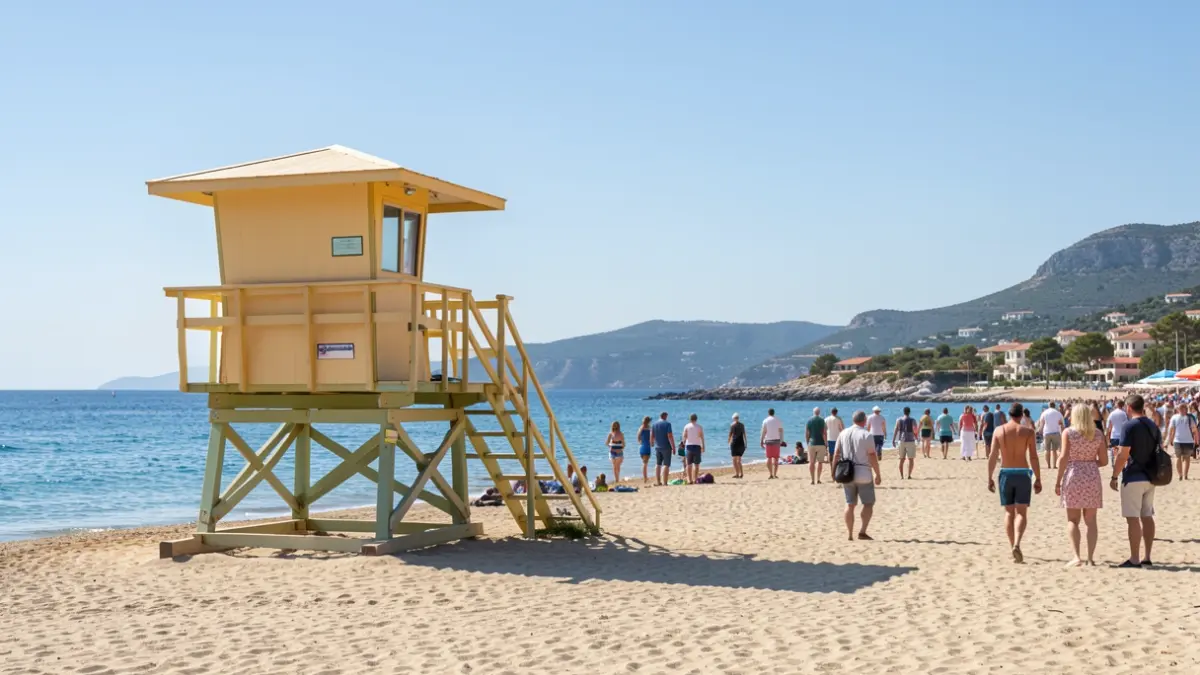
The 2026 lifeguard and safety device, reinforced with nearly 50 professionals, operated from June 1 to September 30. It included 11 surveillance towers, three jet skis, one mobile ICU ambulance, two nursing posts, and five defibrillators.
As a novelty, a rapid intervention vehicle with an AED was incorporated. Additionally, technological systems like Safe Beach (sea condition information via QR) and Orion (personnel location and communication management) were implemented.
Real-time video surveillance was enhanced, staffing was increased during Levante wind days, and current zones and safety lines were established in La Carihuela. Sea condition flags included adapted identification for colorblind individuals, promoting greater inclusion and safety for all users.