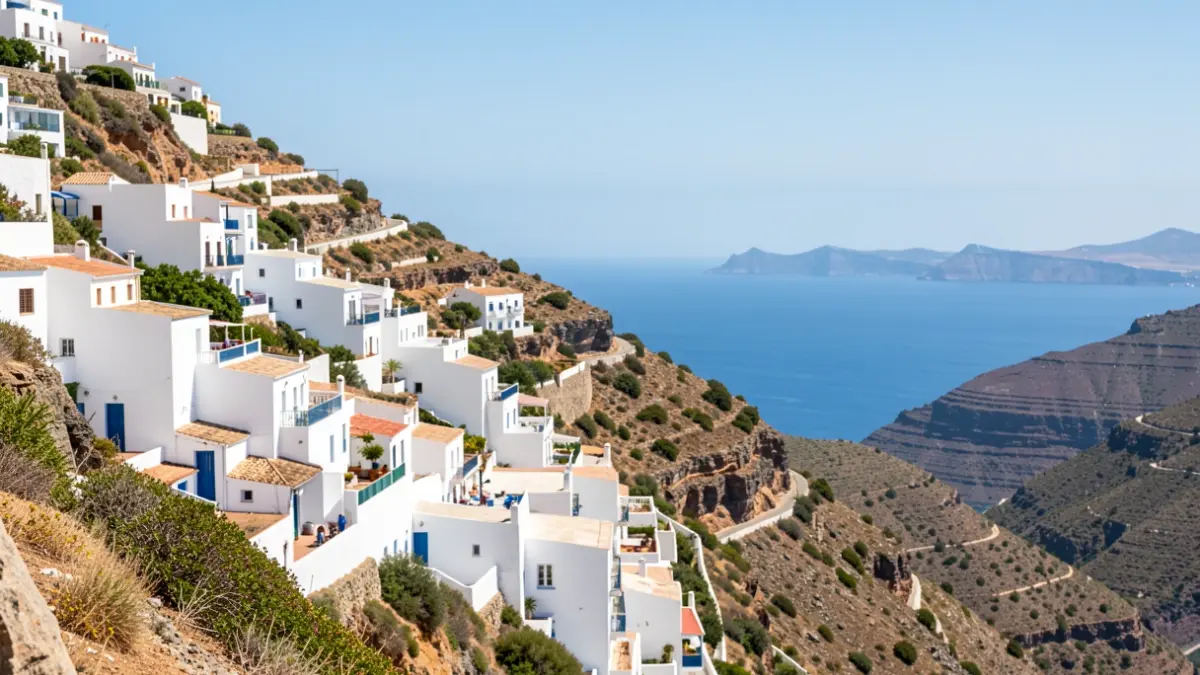
Casares is not just a landscape, but a sensory experience that begins upon spotting its silhouette of white houses on the mountain. Its steep streets, steeped in history and tradition, invite strolls and the discovery of viewpoints with unique vistas of the Mediterranean, the Strait of Gibraltar, and the African coast. Considered one of the most authentic and beautiful villages in Andalusia, it has preserved its identity over time.
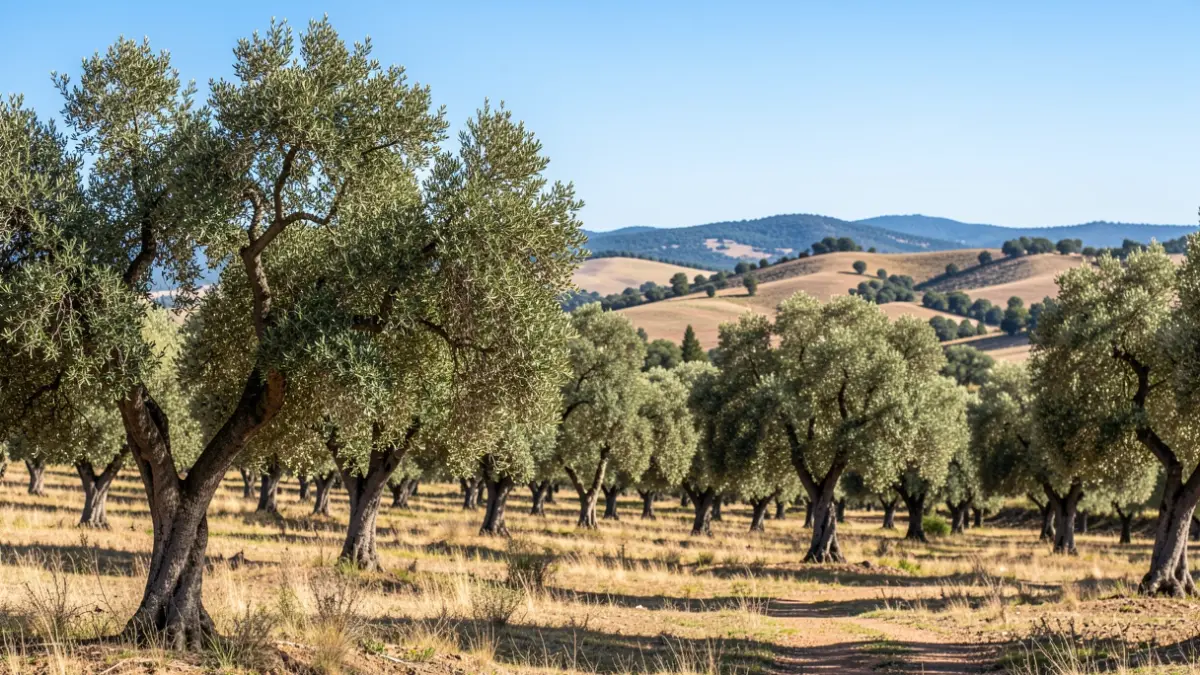
Its strategic location, between the Costa del Sol and the Serranía de Ronda, allows for the enjoyment of diverse environments including the sea, mountains, and natural spaces of significant ecological value. This makes it an ideal place for active leisure, tranquility, and direct contact with nature, offering activities such as hiking, cycling, and bird watching. Furthermore, it boasts quality hotel establishments and tourist complexes, appealing to golf enthusiasts and discerning tourists, ensuring its year-round attraction.
Beyond its scenic beauty, Casares is an enclave of living history. It is the birthplace of Blas Infante, the Father of the Andalusian Homeland, intrinsically linking it to the identity and values of Andalusia. Its historical and archaeological heritage, with remains spanning Roman, Arab, medieval, and contemporary periods, attests to a long human presence.
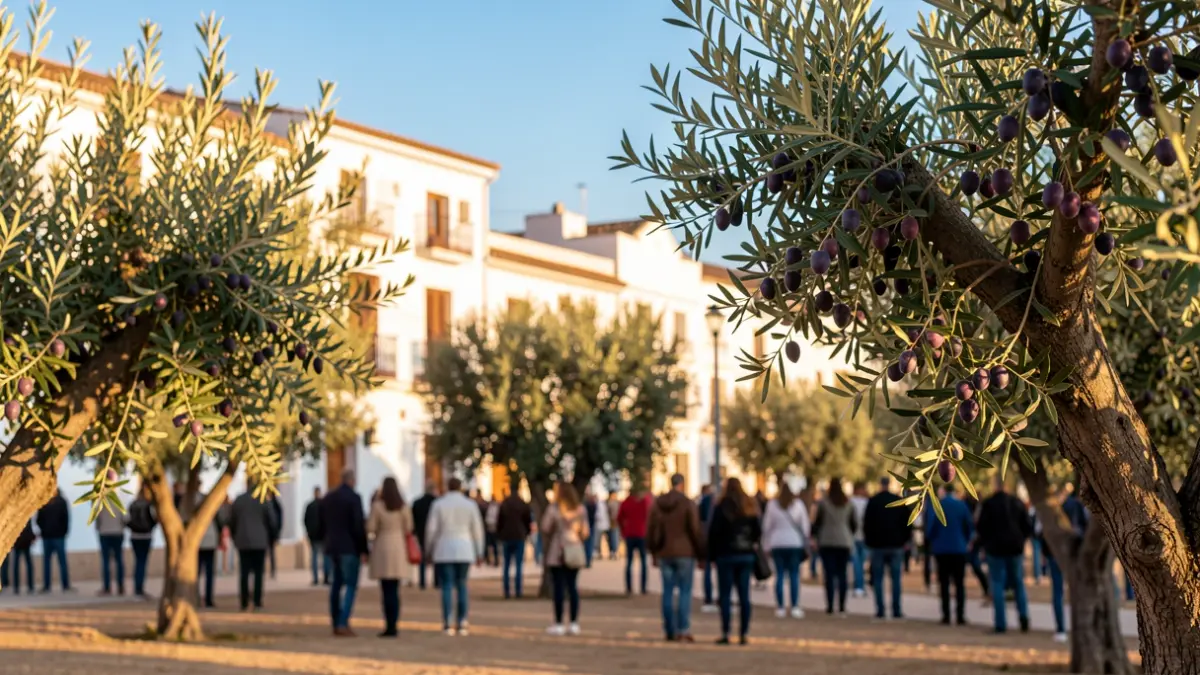
The fusion of nature, history, and culture is evident in its proudly preserved traditions. The popular gastronomy, rooted in seasonal mountain and countryside products, and the folklore, with the 'fandango casareño' as its emblem, are part of a way of life passed down through generations. The hospitality of its inhabitants completes the experience, making Casares a welcoming place where traditions mark the rhythm of daily life.
These combined attractions make Casares a destination suitable for all twelve months of the year. Each season offers different landscapes, colors, and experiences, while its festive calendar invites visitors to immerse themselves in the municipality. From Andalusian celebrations in February and carnival in March, through Holy Week, sporting events, gastronomic days, the Night of San Juan, summer fairs, Andalusian cinema in September, autumn mountain traditions, to the magical Christmas season that transforms the town into a living Nativity scene.