Urban mobility improvements in Cádiz are progressing at an uneven pace, affecting both public transport and cycling infrastructure, which are crucial elements for the development of the Low Emission Zone.
The 2013 Mobility Plan already highlighted the need for bike lanes, with their usage barely exceeding 1% in urban commutes. Although the Regional Government offered funding, the then PP City Council did not finalize any agreements. Later, under the administration of José María González, approximately 20 kilometers of cycling routes were implemented. Currently, not only maintenance but also the expansion of this network is considered essential.
However, the operation of urban bus transport, which carries between 11 and 13 million passengers annually, presents more significant issues. The city has accumulated eleven years of studies for a new service tender, and although the bidding process is expected to take place within the current term, the deployment of new vehicles remains uncertain.
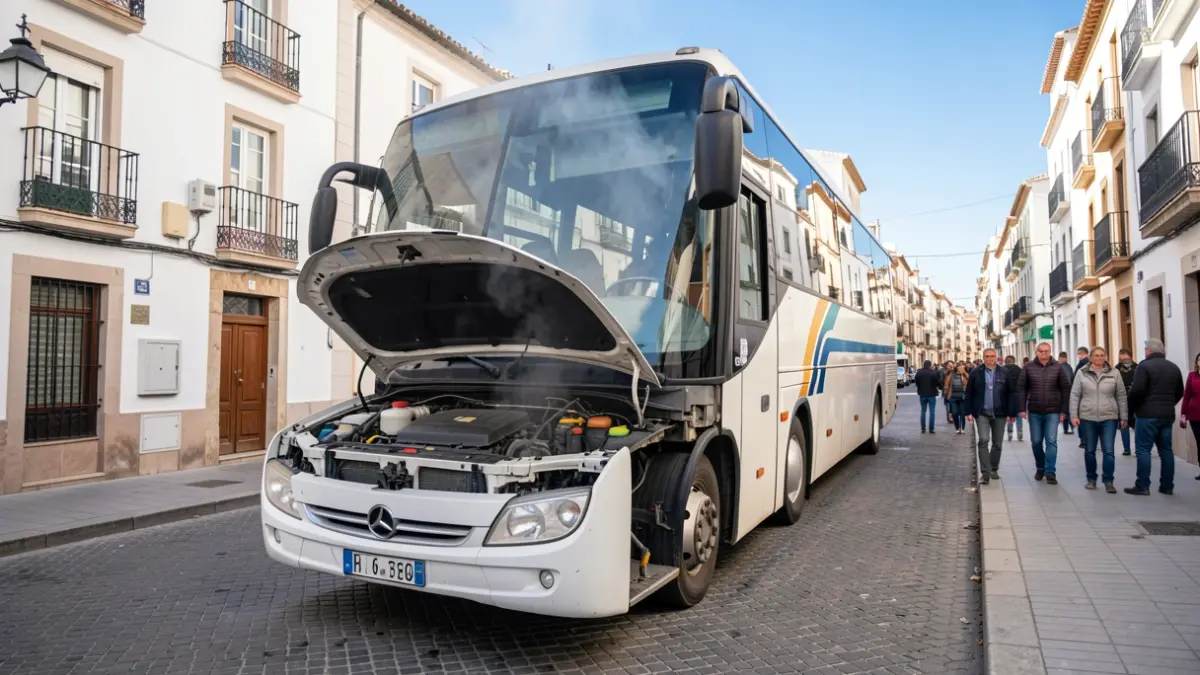
A considerable percentage of the bus fleet is over 15 years old, with some reaching two decades. This aging causes frequent breakdowns, particularly affecting service during hot weather due to air conditioning failures.