The Railway Accidents Investigation Commission (CIAF), which is investigating the Adamuz accident, has urged Adif to establish a system for the early detection of rail breaks. The objective is to prevent tragedies like the one that claimed 46 lives from recurring.
According to a letter sent by the CIAF president, Iñaki Barrón, to his counterpart at Adif, Pedro Marco de la Peña, Adif's current procedure for managing defects in railway infrastructure does not include a specific system for detecting rail breaks. Instead, it focuses on track inspection and monitoring for prevention.
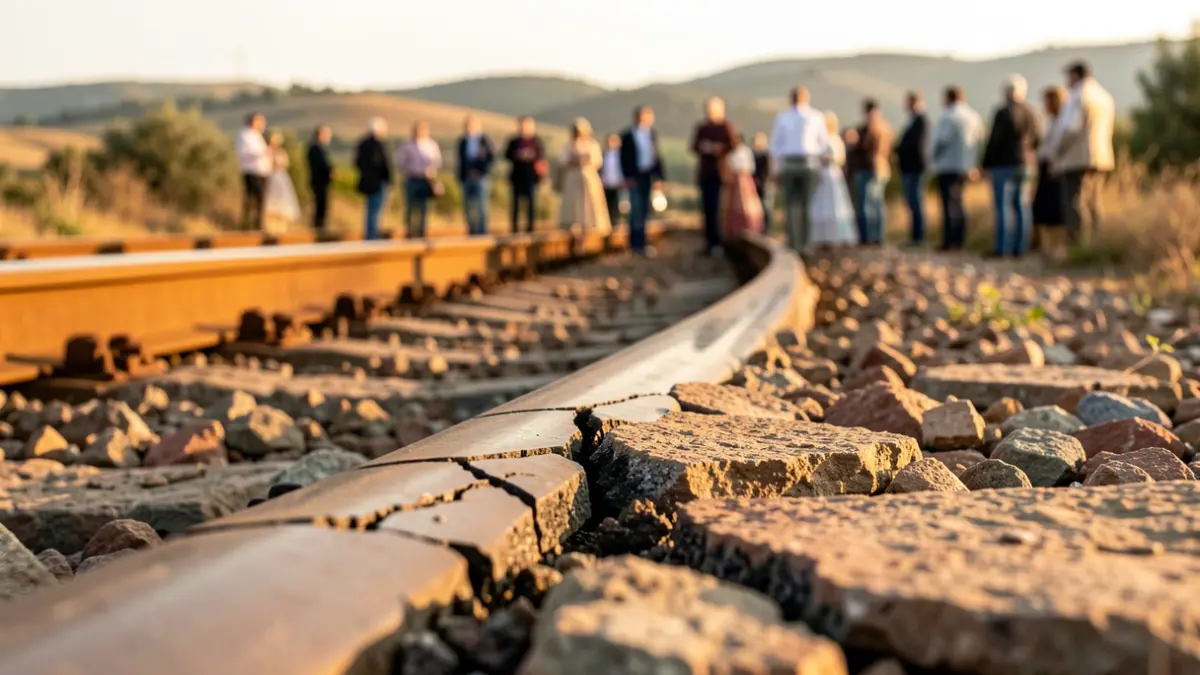
The commission points out that current preventive measures are insufficient to completely eliminate the risk of a break. It acknowledges that rail breaks are frequent globally and that immediate detection systems exist on the market, thus considering it "advisable" to pay special attention to early detection.
Although the final investigation report will take several months to complete, the commission suggests adopting all possible measures to prevent rail breaks and reduce the risk by detecting them before they cause significant damage.
This request comes after it was revealed that the rail break that caused the Adamuz accident reportedly occurred about 22 hours before the incident. The accident involved the derailment of the Iryo train heading towards Madrid, followed by a collision with the Alvia, which fell down a ravine.