AlmeríaCádizCórdobaGranadaHuelvaJaénMálagaSevillaAlpujarra AlmerienseLos VélezComarca Metropolitana de AlmeríaFilabres-TabernasLevante AlmeriensePoniente AlmerienseValle del AlmanzoraBahía de CádizCampiña de JerezCampo de GibraltarCosta NoroesteLa JandaSierra de CádizAlto GuadalquivirCampiña de BaenaCampiña Sur CordobesaLos PedrochesCórdoba (comarca)SubbéticaValle del GuadiatoValle Medio del GuadalquivirAlpujarra GranadinaComarca de AlhamaComarca de BazaComarca de GuadixComarca de HuéscarComarca de LojaCosta GranadinaLos MontesValle de LecrínVega de GranadaEl AndévaloEl Condado de HuelvaCosta OccidentalCuenca MineraComarca Metropolitana de HuelvaSierra de HuelvaÁrea Metropolitana de JaénCampiña de JaénEl Condado (Jaén)La LomaSierra de CazorlaSierra MáginaSierra MorenaSierra de SeguraSierra Sur de JaénLas VillasComarca de AntequeraLa AxarquíaGuadaltebaCosta del Sol OccidentalMálaga Costa del SolNorormaValle del GuadalhorceSerranía de RondaSierra de las NievesAljarafeBajo GuadalquivirCampiña de CarmonaCampiña de Morón y MarchenaComarca de ÉcijaComarca Metropolitana de SevillaSierra Norte de SevillaSierra Sur de SevillaVega del GuadalquivirAlmeríaCádizCórdobaGranadaHuelvaJaénMálagaSevillaAlpujarra AlmerienseLos VélezComarca Metropolitana de AlmeríaFilabres-TabernasLevante AlmeriensePoniente AlmerienseValle del AlmanzoraBahía de CádizCampiña de JerezCampo de GibraltarCosta NoroesteLa JandaSierra de CádizAlto GuadalquivirCampiña de BaenaCampiña Sur CordobesaLos PedrochesCórdoba (comarca)SubbéticaValle del GuadiatoValle Medio del GuadalquivirAlpujarra GranadinaComarca de AlhamaComarca de BazaComarca de GuadixComarca de HuéscarComarca de LojaCosta GranadinaLos MontesValle de LecrínVega de GranadaEl AndévaloEl Condado de HuelvaCosta OccidentalCuenca MineraComarca Metropolitana de HuelvaSierra de HuelvaÁrea Metropolitana de JaénCampiña de JaénEl Condado (Jaén)La LomaSierra de CazorlaSierra MáginaSierra MorenaSierra de SeguraSierra Sur de JaénLas VillasComarca de AntequeraLa AxarquíaGuadaltebaCosta del Sol OccidentalMálaga Costa del SolNorormaValle del GuadalhorceSerranía de RondaSierra de las NievesAljarafeBajo GuadalquivirCampiña de CarmonaCampiña de Morón y MarchenaComarca de ÉcijaComarca Metropolitana de SevillaSierra Norte de SevillaSierra Sur de SevillaVega del Guadalquivir

Rafael Luque, the Cordoban astrophysicist discovering bizarre worlds

The researcher receives the Princess of Girona Award for his contribution to the study of exoplanets and water worlds.

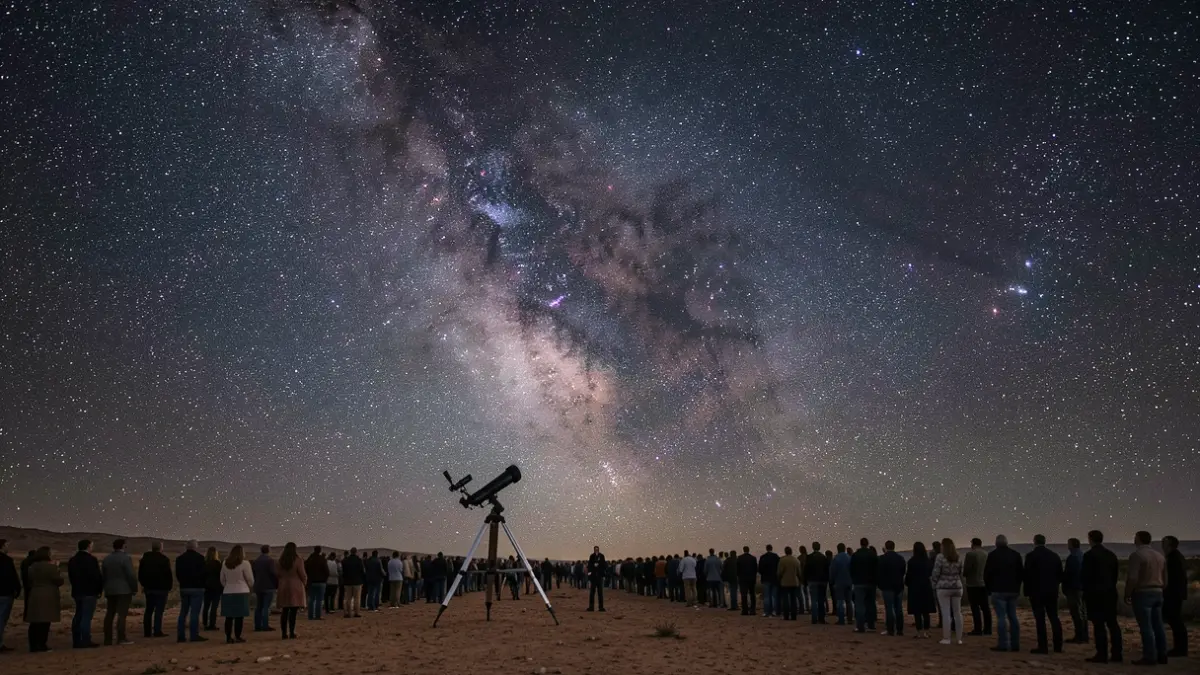
Generic image of a starry night sky over an arid Andalusian landscape.
IA

Generic image of a starry night sky over an arid Andalusian landscape.

Astrophysicist Rafael Luque, originally from Priego de Córdoba, has been honored with the Princess of Girona Research Award 2026 for his advancements in the study of exoplanets.

Scientist Rafael Luque (Priego de Córdoba, 1993), a Ramón y Cajal researcher at the Andalusian Institute of Astrophysics, has received the Princess of Girona Research Award 2026. The award recognizes his contributions to identifying planets outside our solar system and studying water worlds, crucial aspects for understanding planetary formation and the potential existence of extraterrestrial life.
Luque expressed his excitement upon receiving the award, describing intense days from his candidacy defense to the announcement of the verdict. Although the award is individual, the astrophysicist emphasizes the importance of teamwork, highlighting that his achievements are the result of collaboration with his research group, composed of doctoral students and postdoctoral researchers.
As an exoplanet expert, Luque simply explains that these are planets orbiting stars other than our Sun. His research focuses on 'sub-Neptunes,' planets with sizes between Earth and Neptune, which are the most common in the galaxy but do not exist in our solar system. The study of these worlds could shed light on planetary formation processes and the possibility that they harbor liquid water oceans, making them candidates for life.
Luque's interest in astrophysics began in his childhood in Priego de Córdoba, a rural municipality, thanks to an introductory astronomy course. Seeing Saturn through a telescope marked his vocation. Years later, along with his professor and later with his partner Miguel Gil, he traveled through towns in Andalusia to promote astronomy, a passion that led him to found the astronomical complex Los Coloraos in the Geopark of Granada.
The scientist, who has dedicated more than half his life to astronomical observation, has contributed to the discovery of over 220 exoplanets. He describes these worlds as 'bizarre and extravagant,' with characteristics that defy imagination, from scorched planets to lava oceans or systems with six planets in perfect synchrony, like the one that earned him congratulations from astronaut Buzz Aldrin.
Luque has also been a pioneer in identifying 'water worlds,' planets that could be largely composed of water, changing the perception of small planets. When asked about life beyond Earth, he is optimistic, confident that non-intelligent life will be detected in the coming decades thanks to telescopes like the James Webb.
Despite research challenges, such as job insecurity that leads many talents to leave the field, Luque encourages young people to follow their curiosity. 'The only requirement to be a scientist is curiosity,' he states. During the award ceremony, he spoke with the King, who shared his passion for astronomy and his eagerness to witness the upcoming solar eclipse in Mallorca.