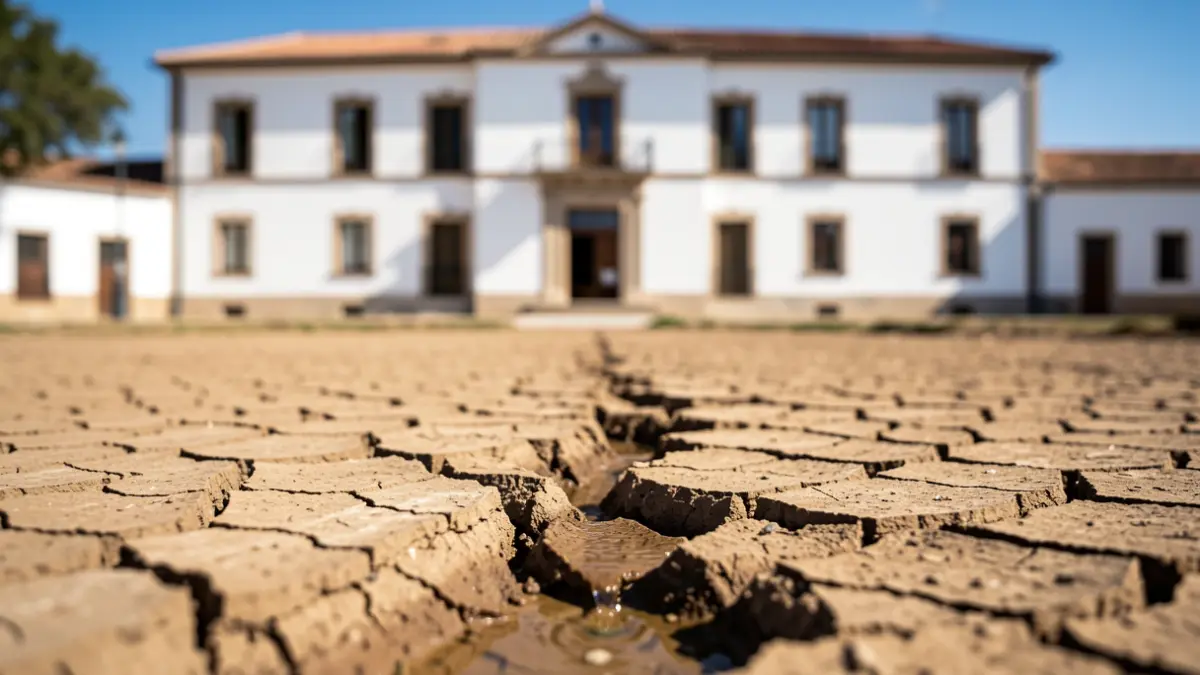
Water scarcity and low pressure in the supply have once again raised alarm in the region, this time affecting the hamlets of Collejares and El Cortijuelo. Residents attribute the situation to a management and economic disagreement between the town councils of Quesada and Huesa, which has led to the installation of a pressure regulator by Huesa that limits the flow.
Affected residents demonstrated outside the Quesada Town Hall demanding a dialogue to unblock the supply. Unlike previous problems due to altitude, these hamlets are located on the riverbank, but the system collapses when consumption exceeds estimates, especially on weekends with the arrival of visitors. Water barely reaches the taps, severely impacting two local poultry farms due to their high water needs.
The emergency solution with tanker trucks is also not viable, as Collejares lacks a municipal reservoir for water redistribution. The root of the problem lies in a historical economic dispute over high-altitude water treatment, with tacit agreements and a lack of account settlement between the two councils.
The mayor of Quesada, Yolanda Marcos, has expressed her willingness to pay for the service but rejects the conditions imposed by Huesa, calling them "disproportionate" and questioning their legality. She notes that the water is billed to them at a significantly higher price than what Huesa residents pay.
Marcos states she has sent four negotiation letters without response and denounces an ultimatum from Huesa for Quesada to independently manage its network within six months. The mayor also questions the management of the original mountain spring's flow, which she considers sufficient for many more people, suggesting control and channeling issues.
For its part, the Huesa Town Council has indicated it will not issue an official statement until more details are known, adding that the matter is being "greatly misrepresented and manipulated" and is in the hands of lawyers. The mayor of Quesada also mentioned Huesa's refusal of options such as building a direct pipeline or cutting off water at night, and is considering building an independent pipeline costing an estimated 200,000 to 300,000 euros.