AlmeríaCádizCórdobaGranadaHuelvaJaénMálagaSevillaAlpujarra AlmerienseLos VélezComarca Metropolitana de AlmeríaFilabres-TabernasLevante AlmeriensePoniente AlmerienseValle del AlmanzoraBahía de CádizCampiña de JerezCampo de GibraltarCosta NoroesteLa JandaSierra de CádizAlto GuadalquivirCampiña de BaenaCampiña Sur CordobesaLos PedrochesCórdoba (comarca)SubbéticaValle del GuadiatoValle Medio del GuadalquivirAlpujarra GranadinaComarca de AlhamaComarca de BazaComarca de GuadixComarca de HuéscarComarca de LojaCosta GranadinaLos MontesValle de LecrínVega de GranadaEl AndévaloEl Condado de HuelvaCosta OccidentalCuenca MineraComarca Metropolitana de HuelvaSierra de HuelvaÁrea Metropolitana de JaénCampiña de JaénEl Condado (Jaén)La LomaSierra de CazorlaSierra MáginaSierra MorenaSierra de SeguraSierra Sur de JaénLas VillasComarca de AntequeraLa AxarquíaGuadaltebaCosta del Sol OccidentalMálaga Costa del SolNorormaValle del GuadalhorceSerranía de RondaSierra de las NievesAljarafeBajo GuadalquivirCampiña de CarmonaCampiña de Morón y MarchenaComarca de ÉcijaComarca Metropolitana de SevillaSierra Norte de SevillaSierra Sur de SevillaVega del GuadalquivirAlmeríaCádizCórdobaGranadaHuelvaJaénMálagaSevillaAlpujarra AlmerienseLos VélezComarca Metropolitana de AlmeríaFilabres-TabernasLevante AlmeriensePoniente AlmerienseValle del AlmanzoraBahía de CádizCampiña de JerezCampo de GibraltarCosta NoroesteLa JandaSierra de CádizAlto GuadalquivirCampiña de BaenaCampiña Sur CordobesaLos PedrochesCórdoba (comarca)SubbéticaValle del GuadiatoValle Medio del GuadalquivirAlpujarra GranadinaComarca de AlhamaComarca de BazaComarca de GuadixComarca de HuéscarComarca de LojaCosta GranadinaLos MontesValle de LecrínVega de GranadaEl AndévaloEl Condado de HuelvaCosta OccidentalCuenca MineraComarca Metropolitana de HuelvaSierra de HuelvaÁrea Metropolitana de JaénCampiña de JaénEl Condado (Jaén)La LomaSierra de CazorlaSierra MáginaSierra MorenaSierra de SeguraSierra Sur de JaénLas VillasComarca de AntequeraLa AxarquíaGuadaltebaCosta del Sol OccidentalMálaga Costa del SolNorormaValle del GuadalhorceSerranía de RondaSierra de las NievesAljarafeBajo GuadalquivirCampiña de CarmonaCampiña de Morón y MarchenaComarca de ÉcijaComarca Metropolitana de SevillaSierra Norte de SevillaSierra Sur de SevillaVega del Guadalquivir

'Baza', the last vulture of the 2026 season in Andalusia, released

The 87-day-old specimen concludes the reintroduction campaign in Cazorla, bringing the total released birds in the region to 108.

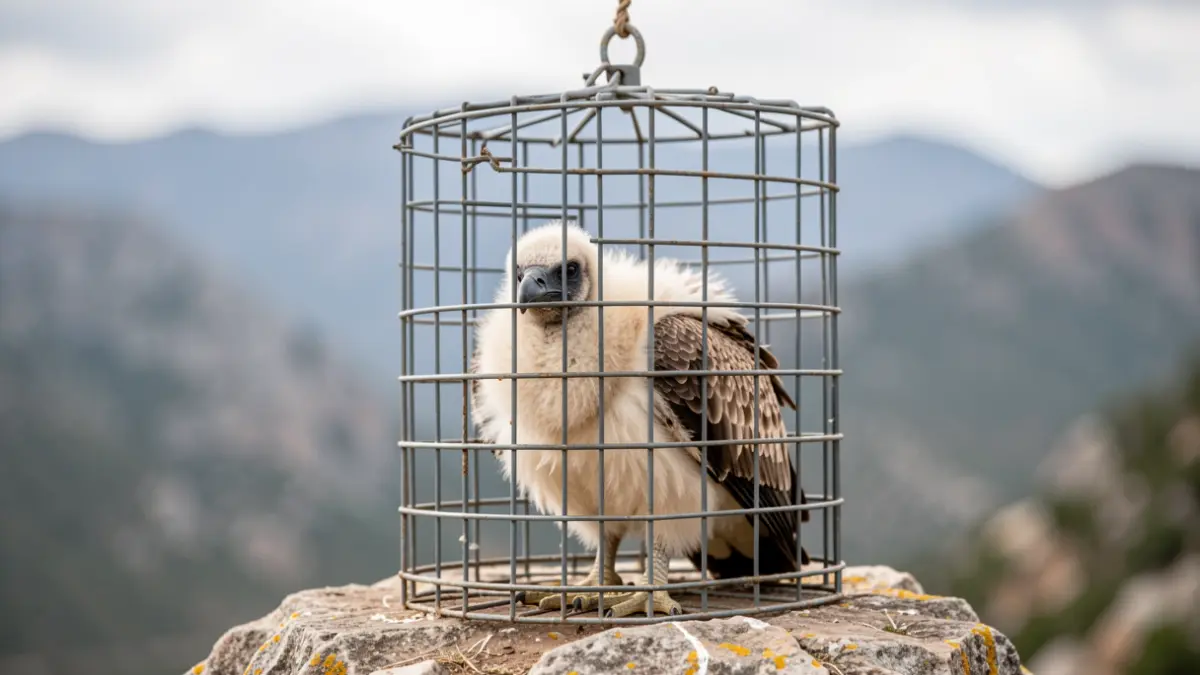
Bearded vulture chick in its adaptation cage in the Sierra de Cazorla.
IA

Bearded vulture chick in its adaptation cage in the Sierra de Cazorla.

The Natural Park of Sierras de Cazorla, Segura y Las Villas has hosted the release of 'Baza', the last bearded vulture of the 2026 season in Andalusia.

The Natural Park of Sierras de Cazorla, Segura y Las Villas has hosted the release of ‘Baza’, the last bearded vulture released this season in Andalusia. This action marks the end of the 2026 reintroduction campaign for this emblematic endangered species.
The acting Minister of Sustainability and Environment, Catalina García, attended the release of this 87-day-old young bearded vulture, named Baza in homage to the Granada municipality. The specimen was released in a designated area within the Natural Park, as part of the Andalusian Plan for the Recovery of Scavenger Birds.
With this release, a season concludes in which Andalusia has released six young bearded vultures, reinforcing a conservation project that is a European benchmark. Following the release, the bird will undergo an adaptation period in the known ‘hacking’ caves, a field breeding system designed for captive-born specimens, where it will be fed until approximately four months of age.
This method aims for the bird to identify the territory as its birthplace, increasing the chances of it returning to reproduce in the area. Precautions will be taken to avoid visual contact with caregivers and ensure the specimen retains its natural instincts.
The release of Baza marks a milestone in a program that has enabled Andalusia to release 108 bearded vultures between 2006 and 2026 in various protected areas. Of these, 67 remain alive, 32 have died, and nine are currently unlocatable due to issues with GPS tracking devices.
Before the release, Catalina García visited the Bearded Vulture Captive Breeding Center of Guadalentín, highlighting its role as a leading European center for species reproduction. The center contributes between 25 and 40 percent of the chicks born annually within the European captive breeding network.
Andalusia has begun work this year to extend the reintroduction program to the Sierra de Grazalema Natural Park in Cádiz, with the first releases planned for 2027. This new population will connect existing ones in Europe with those in North Africa, promoting genetic exchange.
Currently, there are fifteen breeding territories occupied by bearded vultures in Andalusia. Between 2015 and 2025, 23 chicks born in the wild have flown, 15 of which are still alive. The recovery is integrated into the Andalusian Plan for the Recovery and Conservation of Scavenger Birds, which includes measures against poisons and GPS monitoring.