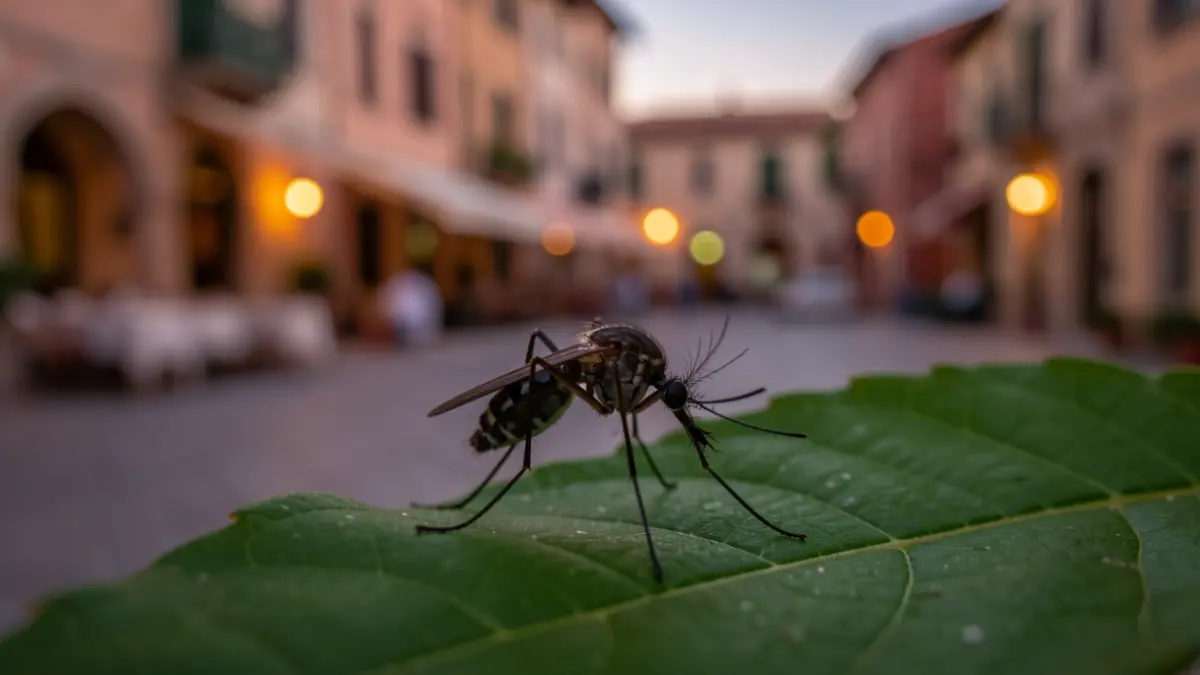
Algodonales thus joins other Andalusian municipalities on alert for West Nile Fever. It is the only location in the province of Cádiz affected by this measure, which has also been extended to Olivares and Las Cabezas de San Juan (Seville), and Pulpí (Almería). Unlike Olivares, where a mild human case was recorded, there are currently no infected residents in Algodonales. The protocol activation is due to the detection of the virus in mosquitoes, an alarm signal that requires increased surveillance to prevent possible transmission to people.
This alert comes during a summer when the province of Cádiz, despite being one of the most monitored due to its large wetlands, had been spared from the virus's circulation. To date, 38 human cases of West Nile Fever have been confirmed in Andalusia, 11 of them neuroinvasive, with the latest recorded in municipalities in Seville.
Currently, 24 Andalusian municipalities are under alert status, which involves intensifying entomological, animal, and human surveillance, as well as community promotion and public communication actions. Local administrations must reinforce mosquito control and treatment measures, both in urban areas and nearby locations identified as larval breeding sites.
The Ministry recommends that administrations and citizens adopt protective measures to avoid mosquito bites, especially for vulnerable individuals. The use of registered repellents, wearing light-colored clothing that covers most of the body, and avoiding strong odors are advised. At the domestic level, installing mosquito nets, using insecticides, and turning off unnecessary lights are suggested. Furthermore, it is crucial to eliminate stagnant water in pools, gardens, and other containers to prevent larval breeding.