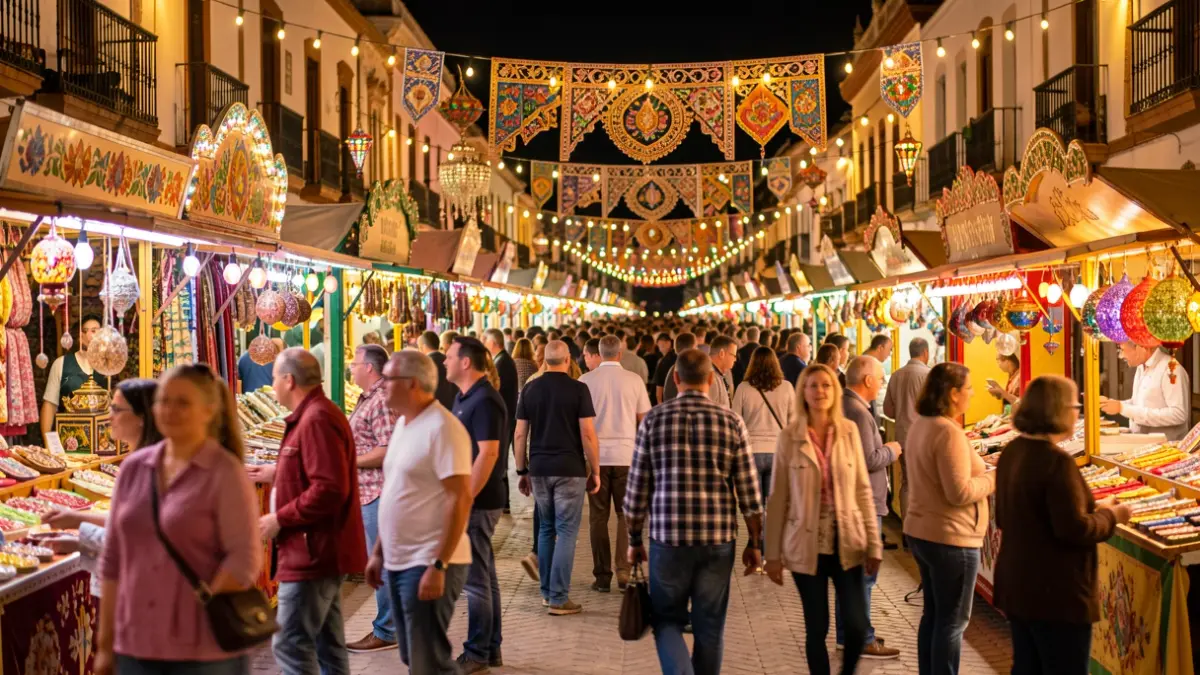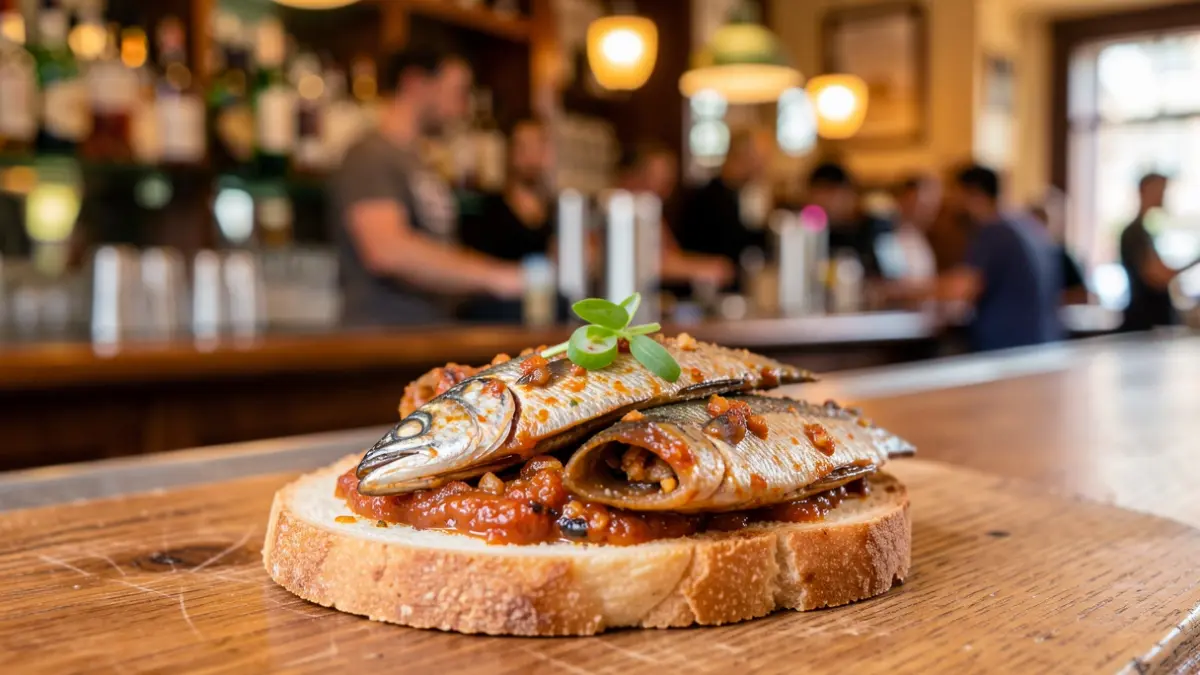
In Seville, tapas transcend the mere act of eating to become a way of understanding the city, a social ritual that is inherited and repeated. On the occasion of World Tapas Day, Sevillians champion loyalty to historic establishments and the most recognizable flavors. Fried fish, marinated anchovies ('adobo'), and 'pringá' stand out as protagonists, coexisting with the names of venues that are part of the city's gastronomic heritage, such as El Rinconcillo, Blanco Cerrillo, or the well-known Piripi at Bodeguita Antonio Romero.
When asked about their favorite tapa, the 'montadito de pringá' is highlighted as an essential item found "anywhere," closely followed by cured meat with cheese, fried fish, and marinated anchovies. The latter, in particular, is an emblem at traditional bars like Blanco Cerrillo, where its distinctive flavor is recognized even before reaching the counter.
Establishments with a long history, such as El Rinconcillo, one of the city's oldest bars, maintain a classic and unpretentious tapa offering. On the other hand, Piripi at Bodeguita Antonio Romero exemplifies the reinvention of tradition with its sandwich of grilled pork loin, bacon, melted cheese, tomato slices, and alioli, without losing its essence.
The tapas culture extends beyond the city center, reaching metropolitan area towns like Dos Hermanas, where bars such as Bar Ignacio or La Lola are also reference points.
Sevillians agree that tapas have "official hours." For many, the ideal moment is between 7:00 PM and 8:30 PM, just before dinner, when the city comes alive. Others place it between 12:30 PM and 1:30 PM, considering it almost a full meal.
Beer is undoubtedly the beverage of choice for Sevillian tapas, with requests like "a little beer," "a short one," or "a cold 'caña'" being the most common. However, options like soft drinks or non-alcoholic beer also accompany this ritual, demonstrating that the fundamental aspect is the gesture of sharing and lingering.