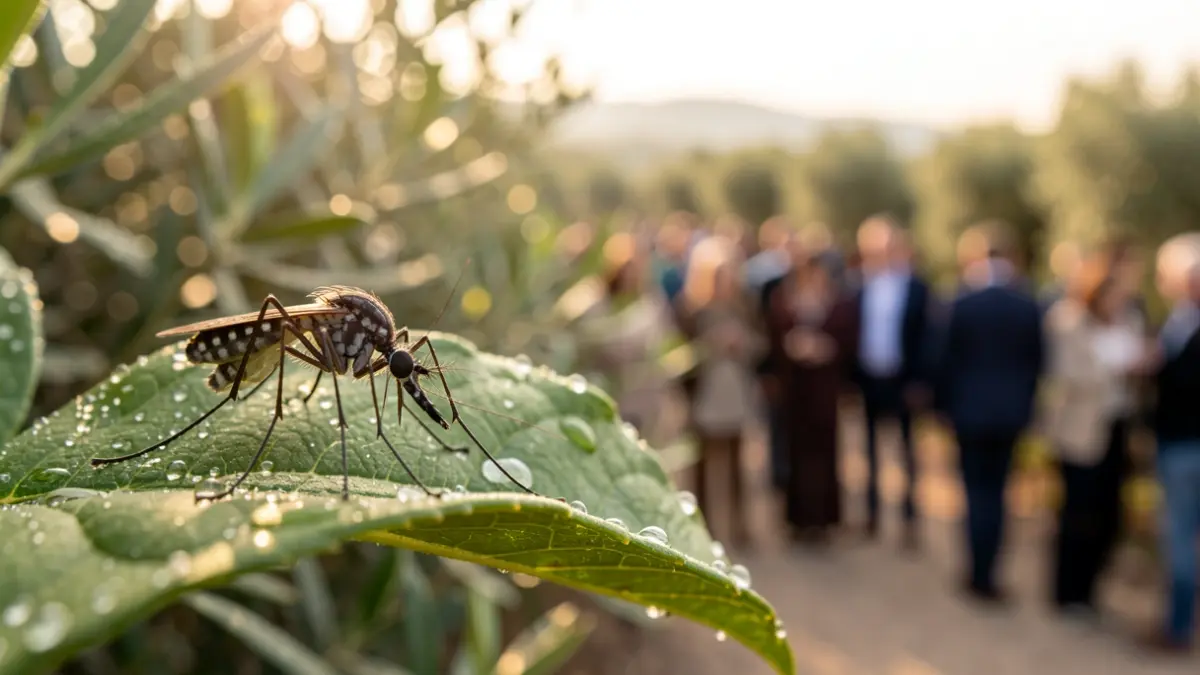
Current climatic conditions, marked by rising temperatures and humidity, are altering the distribution of disease vectors such as mosquitoes. Scientists link this trend to climate change, which modifies weather patterns and has direct consequences on global public health. Global warming, along with changes in rainfall patterns and urbanization, is creating more favorable environments for the proliferation of these insects.
In Europe, epidemiological models predict a significant increase in the risk of West Nile fever in the coming decades, potentially multiplying fivefold by 2040-2060. In Spain, this disease is already endemic, showing a concerning evolution in the last decade, particularly in Andalusia. In 2020, the region recorded 77 severe cases and eight deaths, making it one of the most critical years.
In light of this situation, the need to strengthen surveillance systems and coordination between meteorology, health, and agriculture to anticipate outbreaks is emphasized. However, individual prevention remains an essential tool. The use of long-sleeved clothing in light colors, installing mosquito nets, and avoiding intense perfumes are recommended, with special attention paid to dawn and dusk, the peak activity times for mosquitoes.
The use of effective repellents is key. DEET interferes with the mosquitoes' olfactory system, making it difficult for them to detect humans. Other safe alternatives include picaridin, IR3535, or oil of lemon eucalyptus (PMD), which should be applied to exposed skin and reapplied according to their concentration. Caution is advised for young children and pregnant women, often opting for alternatives with a better tolerance profile.
Furthermore, permethrin, an insecticide applied to clothing or equipment, offers prolonged protection. The combination of treated clothing and topical repellents is considered one of the most effective strategies to reduce the risk of bites.