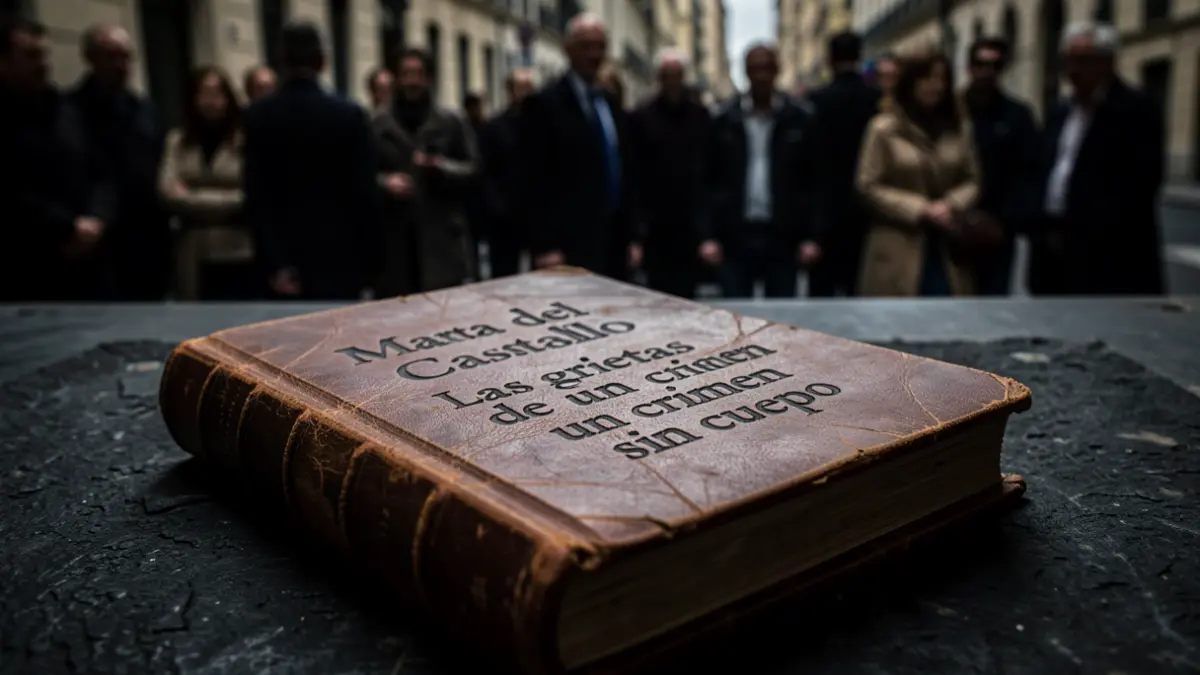
Journalist Jorge Muñoz, chief editor of the Local section at Diario de Sevilla, has recently published the book Marta del Castillo. The cracks of a bodiless crime, where he analyzes the inconsistencies and errors in the investigation of the high-profile case. In an interview, Muñoz describes Miguel Carcaño, the confessed murderer, as a "textbook psychopath", even though forensic experts rule out pathologies.
Muñoz points out that the case's "cracks", far from closing over time, have become more evident, mainly because Marta del Castillo's family has still not been able to recover the young woman's body. The journalist criticizes the "hasty" arrest of Carcaño less than 20 days after her disappearance, suggesting that an extension of the phone taps might have yielded more clues.
The author believes that the case's "main error" was allowing Carcaño to dictate the investigation's direction with his up to eight different versions of the crime. The first, and most famous, implied that the body had been transported by motorcycle. Muñoz details in the book the origins of Miguel Carcaño, his relationship with his brother Javier Delgado, and how these factors might explain the events following the tragic night of January 24th.
The book also addresses the possibility that Carcaño, despite his profile, acted with the help of unidentified "third parties" to dispose of the body, as suggested by judicial rulings. Muñoz speculates that the remains might be buried in the Camas area, near where Carcaño's then-girlfriend, Rocío, lived, and recalls the striking letter from Marta's father, Antonio del Castillo, offering the apartment where the crime occurred in exchange for information.
Muñoz reflects on the professional impact this case has had on his career, having invested "practically half" of his professional trajectory. "All Sevillian journalists have this thorn in our side," he states, expressing the hope of one day being able to report the discovery of Marta's remains. Facing Miguel Carcaño's upcoming release from prison in 2030, the journalist doubts society is prepared and anticipates that the murderer might move to America, as he has told his defense lawyers.