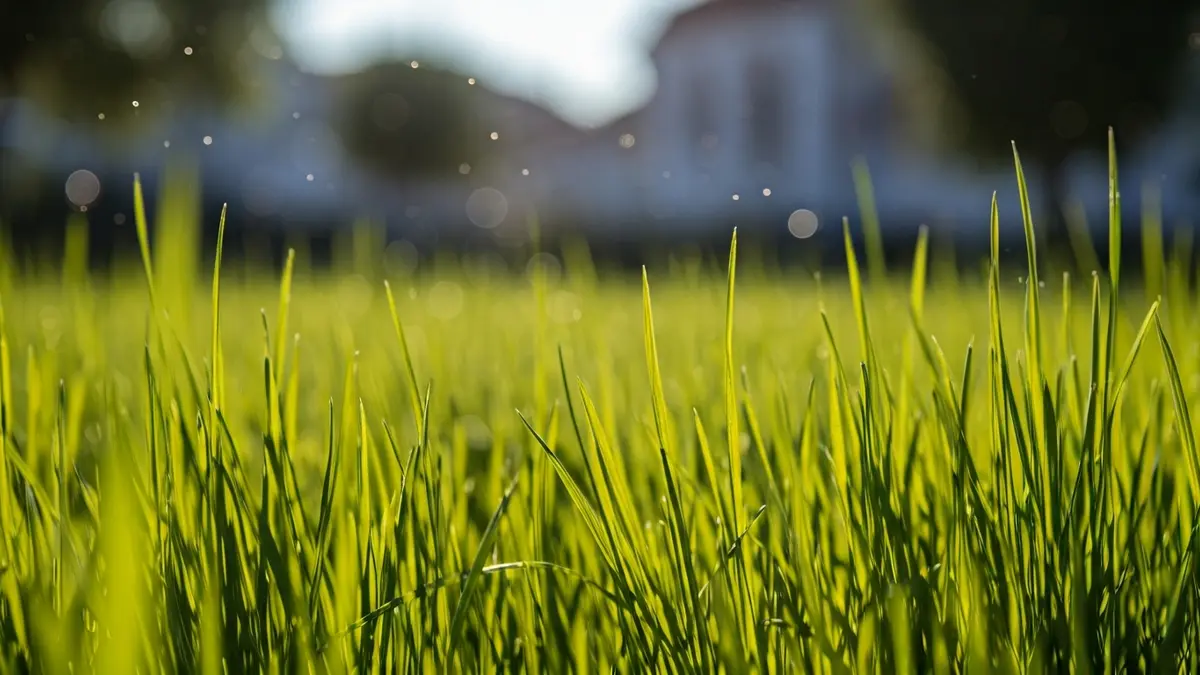
According to Dr. Lara, the projected increase in temperatures, potentially exceeding 30 degrees Celsius, coupled with rainfall in February and recent days, will foster the proliferation of grass pollens and, in Seville's case, also olive pollen. This situation is particularly relevant for the Virgen de la Cabeza Pilgrimage in Andújar, one of Andalusia's most crowded gatherings, where large concentrations of people in natural environments rich in grasses could exacerbate allergic discomfort.
“"The announced rise in temperatures, with highs that could exceed 30 degrees, and the rains both in February and those recorded in recent days, will contribute to these high levels of grass and olive pollen, the latter only for the moment in the province of Seville."
The specialist advises allergy sufferers to adopt protective measures such as wearing sunglasses and masks, though she acknowledges the difficulty of implementing these during events like the April Fair. Nevertheless, she stresses the importance of strictly adhering to prescribed medical treatments. At the April Fair, allergic symptoms can be intensified by the presence of 'albero' (a type of sand used in bullrings and fairgrounds), which irritates mucous membranes, and horse dander, a common allergy in the provinces of Seville and Huelva.
Advances in diagnosis allow for more precise identification of the proteins to which the body reacts, facilitating the creation of more personalized and effective vaccines. The Andalusian Society of Allergology and Clinical Immunology (Alergosur) estimated in 2025 that over 2.5 million Andalusians suffer from some type of allergy, affecting 25% of the urban population and 15% of the rural population in the region.