The Seville Urban Planning Management has issued a detailed report on the removal of electoral posters during the campaign for the Andalusian Parliament elections. According to the document, a total of 257 items were removed, of which 132 belonged to the PSOE candidacy, 45 to the PP, 41 to the Por Andalucía coalition, 30 to Vox, and 9 to Adelante.
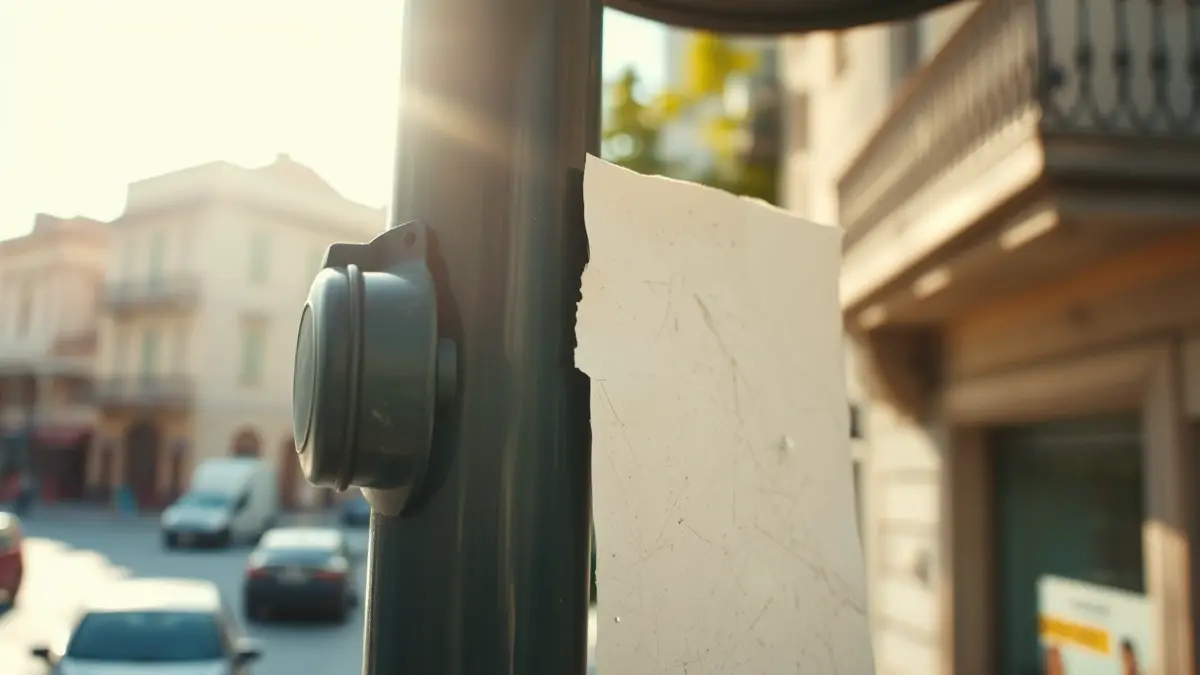
The report, signed by the Urban Planning management, explains that the action was carried out after an inspection by the Public Lighting service on May 1. This inspection revealed that the installation of the posters compromised the structural integrity of the supports and their fixing bolts, especially given the wind and the absence of protective rubber gaskets on the metal fasteners.
One of the areas where supports were found in a “serious” condition was Carretera Carmona, where 35 of the removed posters belonged to the PSOE (31) and Vox (4). The Urban Planning management warned that public lighting supports, ranging from 9 to 14 meters in height and weighing hundreds of kilograms, could cause “very serious harm to people's health or to vehicles” if they collapsed.
“"Authorization for the installation of banners on lighting supports is granted only when the technical documentation submitted by the installing company is correct and the supports meet safety conditions."
The Seville City Council indicated that the Electoral Zone Board (JEZ) designates specific areas for electoral propaganda and that parties must request the corresponding permits in those locations. The removal was carried out on items located in unauthorized spaces, without permission, or that did not guarantee citizen safety.
The decision drew criticism from some affected parties. A representative of the PSOE of Andalusia described the removal as “illegal” and announced that the party would denounce the action. Similarly, a spokesperson for Izquierda Unida in the Seville City Council accused the mayor's office of “crossing a very serious line” by allegedly ordering municipal workers to remove electoral advertising from spaces that, according to them, had been formally assigned.