The Tiptoe festival, running from April 11 to 19 at the Teatro del Soho CaixaBank, brings together four prominent international companies in its inaugural edition. It will feature five major shows and an extensive parallel program including workshops, auditions, and meetings with industry professionals.
“"I want Málaga to feel that this festival is theirs."
Lacarra, the project's director, emphasized that her goal extends beyond presenting quality performances, seeking a more personal connection with dance in Málaga. She explained that the festival will not be limited to a specific style, encompassing everything from classical to contemporary dance, based on the premise that “everything is dance.”
During the presentation, both Lacarra and Banderas referenced the festival's name, Tiptoe, which in English refers to “walking on tiptoes,” a term closely linked to ballet. They humorously explained how this name symbolizes the essence of dance and the spirit of the project.
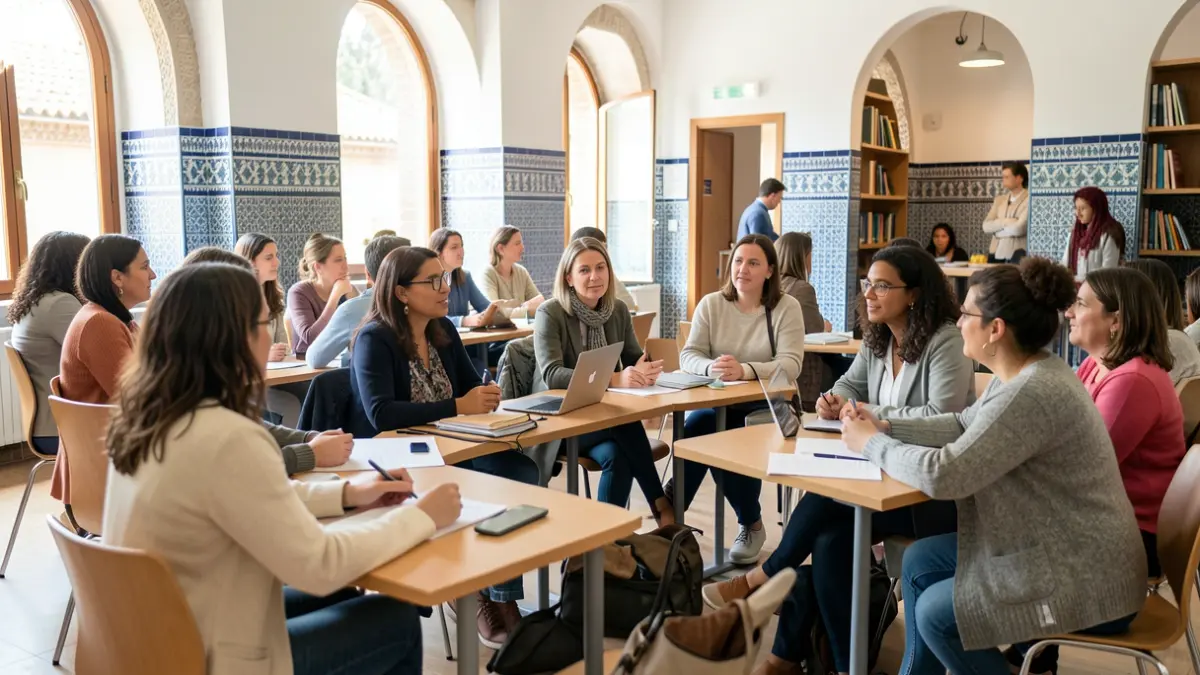
Among the notable activities is an open-air ballet barre session to be held on Sunday, April 12, at the Port of Málaga. Over 500 participants, from children to professionals, will perform the same exercises, demonstrating the effort and dedication behind this discipline. The program also includes auditions for young people aged 17 to 21, aiming to facilitate their entry into the professional world.
“"The Teatro del Soho project was to include dance as one of the performing arts that had to be part of it."
For his part, Antonio Banderas highlighted the importance of incorporating dance into the theater project from its inception, emphasizing Lucía Lacarra's crucial role in directing the festival. Banderas described the festival's birth as the beginning of a long-term journey, reaffirming his commitment to Málaga's cultural development.
A key moment of this first edition will be the presentation of the LUX Ductor Award to Argentine dancer Julio Bocca, in recognition of his international career. Banderas confirmed the artist's presence in the city, adding prestige to the event. The international character of the festival is reinforced by the participation of European companies, including the one directed by French choreographer Thierry Malandain.
Beyond the stage program, Lacarra has insisted on the need to bring dance closer to the general public and break down its elitist perception. She argues that “dance is not something to be understood, it is something to be felt,” advocating for an open model where the audience actively participates in the experience. The Tiptoe festival thus begins in Málaga with the ambition of establishing itself as an annual event and projecting dance beyond the stage, integrating it into the city's cultural life.