This distinction, approved by the Governing Council, incorporates this collection of traditional crafts and techniques into the General Catalogue of Andalusian Historical Heritage, under the category of Ethnological Interest Activity. The measure aims to safeguard a craft that has been essential for the artisanal construction, repair, and renovation of boats.
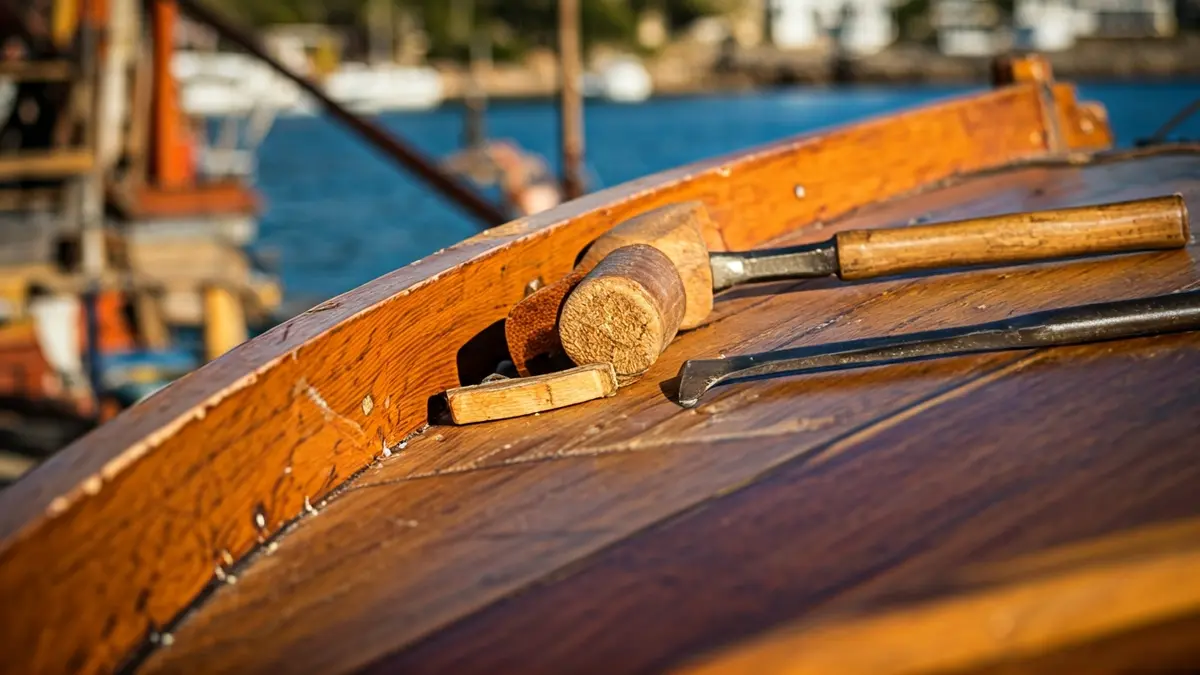
Historically linked to inshore fishing along the Málaga coast, traditional boatbuilding has evolved, adapting to sports and recreational uses. This craft encompasses various professional profiles, such as the shipwright, responsible for naval design and construction, and the caulker, specialized in repair and sealing tasks for vessels.
Among the most representative boats of the region are the jábega, buceta, sardinal, and chalana. Currently, the jábega and chalana are the most common, used in sports and leisure activities, especially after the decline of certain traditional fishing practices. Mastery of this craft involves extensive knowledge of different types of wood and their properties, allowing artisans to adapt each vessel to its specific needs and perform structural modifications.
Although traditionally concentrated on the coast, improvements in transport have allowed traditional boatbuilding to extend its influence, enabling the construction of boats inland for subsequent transfer to the sea. Wooden boats beached on Málaga's shores are an iconic image, deeply linked to maritime identity, gastronomic traditions like sardine espetos, and popular celebrations such as the maritime processions of the Virgen del Carmen every July 16.