Edgar Morin, a towering figure in 20th-century thought and recognized as an honorary doctorate holder by the University of Huelva, has died at the age of 104 in the French capital. The philosopher, considered one of the great contemporary intellectuals, leaves behind a legacy of profound reflections and an innovative approach to understanding the complexity of the world.
The Huelva institution recalled Morin's significance, having celebrated his centenary with the publication of "Homage to Edgar Morin. Luminous, Mandalic, and Complex Mind," coordinated by UHU professor Alida Carloni. This book offers an insight into the thinker's work, whose candidacy for honorary doctorate was proposed by Dr. Carloni herself, along with professor Walter Gadea.
Dr. Carloni highlighted the philosopher's "intellectual journey filled with reflections from a free, open spirit, empathetic towards diverse human beings," as well as his "paradigmatic, novel method, where all aspects relate to understand a greater completeness of universal human life," leaving "a path open to terrestrial solidarity and fraternity."
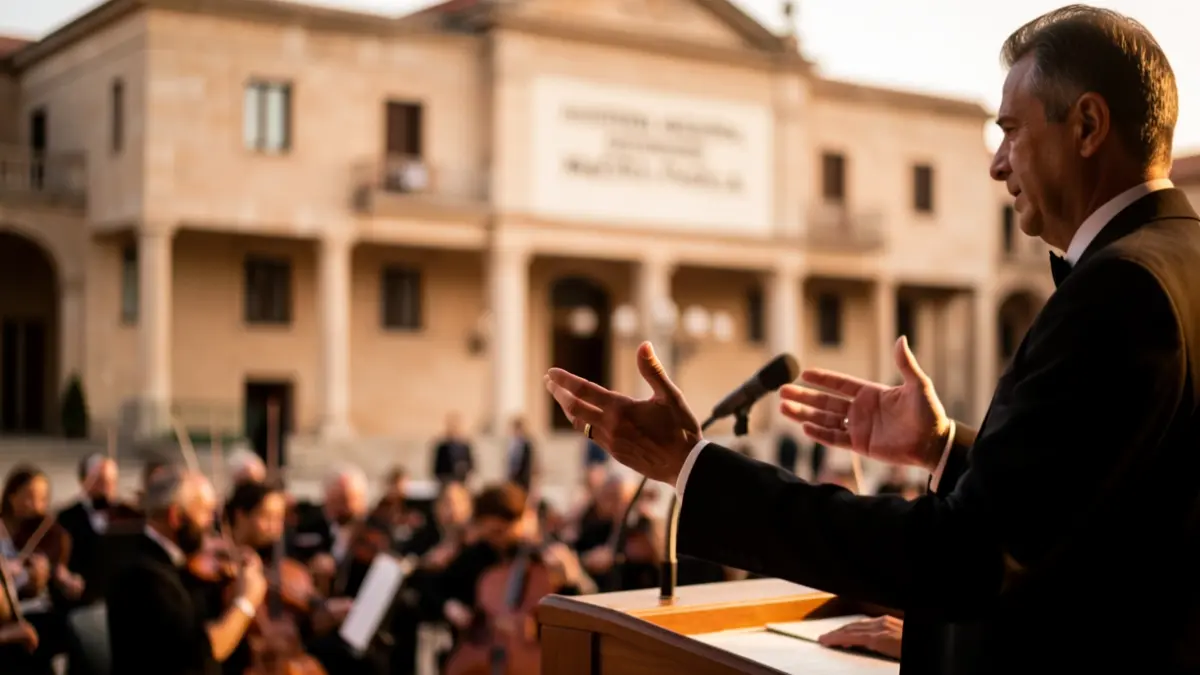
Morin, whose real name was Edgar Nahum, visited the University of Huelva in February 2019 to deliver a lecture. The UHU, through its University Library, has also promoted the dissemination of his work through exhibitions and the acquisition of a significant portion of his bibliography.
The thinker, who studied Geography, History, and Law at La Sorbonne, had a prolific career that included his involvement with the Communist Party, collaboration with the Spanish Republican government during the Civil War, and later work with the French Resistance during World War II. He was a professor at La Sorbonne, founded the journal Argumentos, and directed the Centre for the Study of Mass Communication, in addition to teaching in South America and directing the Centre National des Recherches Scientifiques. He was awarded honorary doctorates by numerous universities and received honors such as Commander of the Legion of Honor.