Málaga's reservoirs have released approximately 35 cubic hectometers so far this summer. This saving represents about 20% less than what was consumed before the drought period, according to data from the last five weeks. The utilization of other resources for irrigation in agriculture, gardens, street cleaning, or golf courses has been key to this improvement.
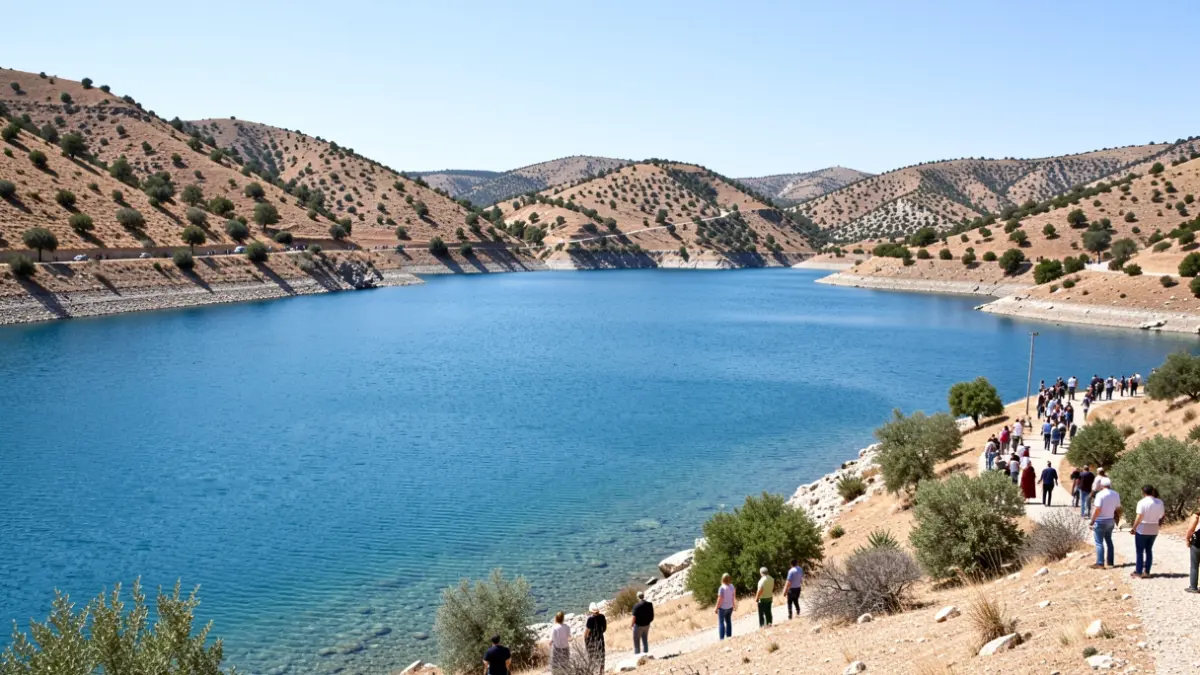
Currently, the province's seven reservoirs are, on average, above 86% of their total capacity. The Casasola reservoir, for safety reasons, does not exceed eight cubic hectometers of its 21 cubic hectometer capacity. Reservoirs in the province of Cádiz, in comparison, hold an average of five points less.
At the beginning of July, Málaga's reservoirs exceeded 92% of their capacity, marking a milestone without restrictions in years. Twelve months ago, showers on many coastal municipality beaches were still closed, and the province was considering bringing in drinking water by ship to alleviate the severe water situation. Early August figures are unprecedented in a decade and a half, with reservoirs like Limonero, Guadalteba, and Guadalhorce at almost 100% of their technical maximum.
The improvement compared to last year is significant. A year ago, the reservoirs held 332 cubic hectometers, compared to the current 525, representing a 58% improvement. Experts attribute this improvement to the progressively implemented saving measures.
The La Viñuela reservoir, the largest in terms of capacity, has gone from being classified as a "dead reservoir" at the beginning of 2024 to holding over 145 cubic hectometers (88.5%) currently, following subsequent rainfall.
However, the La Concepción reservoir, the main drinking water resource for the Western Costa del Sol, is below 75% of its capacity, with approximately 41 cubic hectometers. In light of this situation, the public company Acosol has reinforced its water flow saving campaigns, calling on citizens to avoid excessive consumption, especially during the summer months when demand for garden and terrace irrigation increases.
Acosol emphasizes that, although reserves are positive, consumption must be responsible. The organization notes that drinking water consumption in the Western Costa del Sol has increased considerably this year compared to the previous one, partly justified by the second hottest June and third hottest July on record.
Among Acosol's recommendations are watering only when necessary, preferably in the early morning or at dusk, using efficient systems like drip irrigation, checking for leaks, and reducing watering time. The company appeals for "shared responsibility" to maintain the positive reserve situation.