AlmeríaCádizCórdobaGranadaHuelvaJaénMálagaSevillaAlpujarra AlmerienseLos VélezComarca Metropolitana de AlmeríaFilabres-TabernasLevante AlmeriensePoniente AlmerienseValle del AlmanzoraBahía de CádizCampiña de JerezCampo de GibraltarCosta NoroesteLa JandaSierra de CádizAlto GuadalquivirCampiña de BaenaCampiña Sur CordobesaLos PedrochesCórdoba (comarca)SubbéticaValle del GuadiatoValle Medio del GuadalquivirAlpujarra GranadinaComarca de AlhamaComarca de BazaComarca de GuadixComarca de HuéscarComarca de LojaCosta GranadinaLos MontesValle de LecrínVega de GranadaEl AndévaloEl Condado de HuelvaCosta OccidentalCuenca MineraComarca Metropolitana de HuelvaSierra de HuelvaÁrea Metropolitana de JaénCampiña de JaénEl Condado (Jaén)La LomaSierra de CazorlaSierra MáginaSierra MorenaSierra de SeguraSierra Sur de JaénLas VillasComarca de AntequeraLa AxarquíaGuadaltebaCosta del Sol OccidentalMálaga Costa del SolNorormaValle del GuadalhorceSerranía de RondaSierra de las NievesAljarafeBajo GuadalquivirCampiña de CarmonaCampiña de Morón y MarchenaComarca de ÉcijaComarca Metropolitana de SevillaSierra Norte de SevillaSierra Sur de SevillaVega del GuadalquivirAlmeríaCádizCórdobaGranadaHuelvaJaénMálagaSevillaAlpujarra AlmerienseLos VélezComarca Metropolitana de AlmeríaFilabres-TabernasLevante AlmeriensePoniente AlmerienseValle del AlmanzoraBahía de CádizCampiña de JerezCampo de GibraltarCosta NoroesteLa JandaSierra de CádizAlto GuadalquivirCampiña de BaenaCampiña Sur CordobesaLos PedrochesCórdoba (comarca)SubbéticaValle del GuadiatoValle Medio del GuadalquivirAlpujarra GranadinaComarca de AlhamaComarca de BazaComarca de GuadixComarca de HuéscarComarca de LojaCosta GranadinaLos MontesValle de LecrínVega de GranadaEl AndévaloEl Condado de HuelvaCosta OccidentalCuenca MineraComarca Metropolitana de HuelvaSierra de HuelvaÁrea Metropolitana de JaénCampiña de JaénEl Condado (Jaén)La LomaSierra de CazorlaSierra MáginaSierra MorenaSierra de SeguraSierra Sur de JaénLas VillasComarca de AntequeraLa AxarquíaGuadaltebaCosta del Sol OccidentalMálaga Costa del SolNorormaValle del GuadalhorceSerranía de RondaSierra de las NievesAljarafeBajo GuadalquivirCampiña de CarmonaCampiña de Morón y MarchenaComarca de ÉcijaComarca Metropolitana de SevillaSierra Norte de SevillaSierra Sur de SevillaVega del Guadalquivir

Málaga Celebrates World Monuments Day with Seven Historic and Natural Gems

Málaga province highlights its rich cultural and natural heritage, from Arab fortresses to karst landscapes, in the annual commemoration.

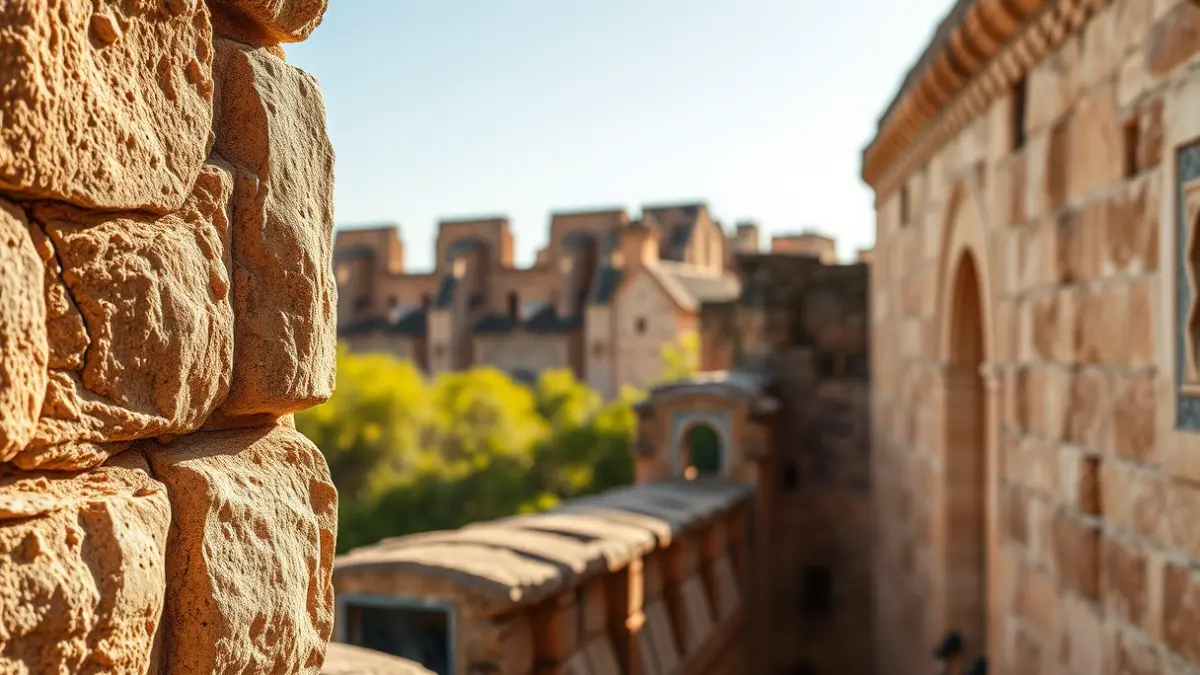
Detail of the Alcazaba of Málaga architecture under the sun.
IA

Detail of the Alcazaba of Málaga architecture under the sun.

The province of Málaga commemorates World Monuments and Sites Day, a date established by UNESCO, highlighting seven enclaves that narrate its history and cultural and natural richness.

Every April 18, the world celebrates World Monuments and Sites Day, a UNESCO initiative since 1983 to raise awareness about the importance of global cultural heritage and the need for its protection. This year, the theme proposed by ICOMOS is 'Living Heritage and Emergency Response,' emphasizing the cultural legacy passed down through generations.

"UNESCO defines 'living heritage' as that which we inherit from our ancestors and transmit to our descendants."

ICOMOS · Initiative promoting body
In this context, the province of Málaga stands out as a territory of great patrimonial diversity, housing both impressive historical constructions and unique natural formations. Below are some of its most representative monuments:
The Alcazaba of Málaga, built in the 11th century during Muslim rule, is the city's emblem. This defensive fortress, located on Mount Gibralfaro, offers a glimpse into Andalusian splendor with its walls, towers, and gardens. Alongside the Roman Theatre and the Cathedral, it forms a heritage complex of great value.
At the foot of the Alcazaba lies the Roman Theatre, discovered in 1951 and dated to the 1st century BC, a testament to the Roman presence. The Cathedral of Málaga, popularly known as 'la Manquita' (the one-armed lady) due to its unfinished tower, is a fusion of styles from late Gothic to Baroque, with an iconic silhouette on the Málaga skyline.
In the interior of the province, the Tajo de Ronda is a natural gorge over 100 meters deep, carved by the Guadalevín River, which divides the city of Ronda. Its famous Puente Nuevo (New Bridge) is a distinctive image of Andalusian tourism. The Torcal de Antequera, a UNESCO World Heritage Site, is a unique karst landscape in Europe, with rock formations that seem otherworldly.
The Nerja Cave, discovered in 1959, is a tourist attraction in the Axarquía region, valued for its stalactites, stalagmites, and acoustics, making it a venue for cultural events. Finally, the Caminito del Rey, in the Guadalhorce region, is a pedestrian walkway suspended in the Gaitanes Gorge, offering a unique scenic experience with dizzying views and surrounded by the Guadalhorce, Guadalteba, and Conde del Guadalhorce reservoirs.