The leadership of the Malaga High Court has emphasized the necessity for an increase in judicial positions and material resources for the province, due to the high workload borne by the courts. This request aligns with what is reflected in the report of the Superior Court of Justice of Andalusia (TSJA), which calls for 71 new judicial positions for the entire province, 42 of which would be allocated to the capital.
“"Malaga is a province where the population is growing more and more, and we must respond to this influx of people, to this judicial burden, also with functional and modern buildings and headquarters that in some of the judicial districts are quite obsolete. A lot of work is done, but we need more people and more resources."
Despite the changes introduced with the new judicial structure, the leadership maintains that this does not eliminate the workload but rather demands more resources, such as improvements to the electronic file system. Emphasis has been placed on the need for judicial positions and staff for civil servants and lawyers of the Administration of Justice to update processes and reduce pending work.
The requested increase, although it will not cover all needs, would represent a significant step forward. Judicial districts such as Fuengirola, Torremolinos, Marbella, Estepona, Antequera, Torrox, and Vélez are mentioned as requiring an increase in resources, both judges and staff. In the capital, the civil jurisdiction is particularly overloaded, and it is anticipated that the creation of more positions in the instance courts will also lead to an increase in the High Court.
A spokesperson for the city council has supported these demands, noting that the workload of judges in Malaga is higher than in other Spanish provinces. They have advocated for the need for the Ministry of Justice and the General Council of the Judiciary to address this situation to provide the province with the necessary human resources.
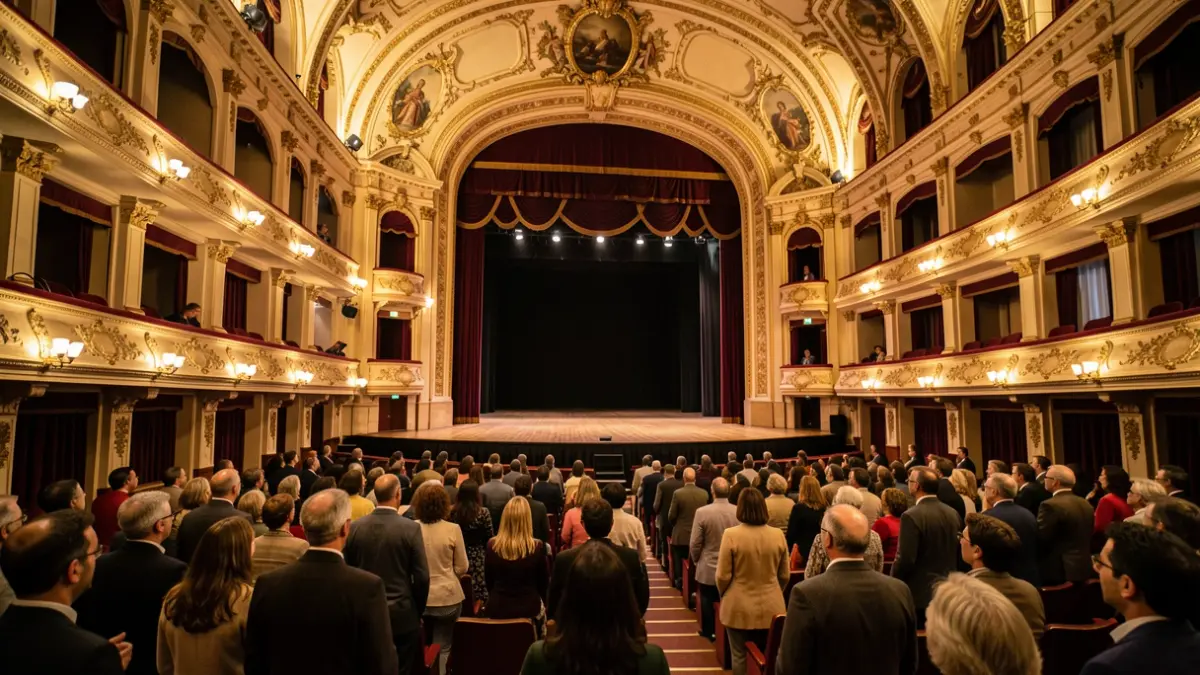
These statements were made within the framework of the II Coordination Conference between the Administration of Justice and Local Police, organized by the Public Security School (Espam) and the Prosecutor's Office. The event aims to promote knowledge of the functions of the judicial police and unify action protocols to ensure more agile and effective proceedings. The conference addresses topics such as the application of the Efficiency Measures Law, judicial police, gender violence crimes, hate crimes and environmental crimes, public order infractions, evidence in criminal proceedings, and road safety.