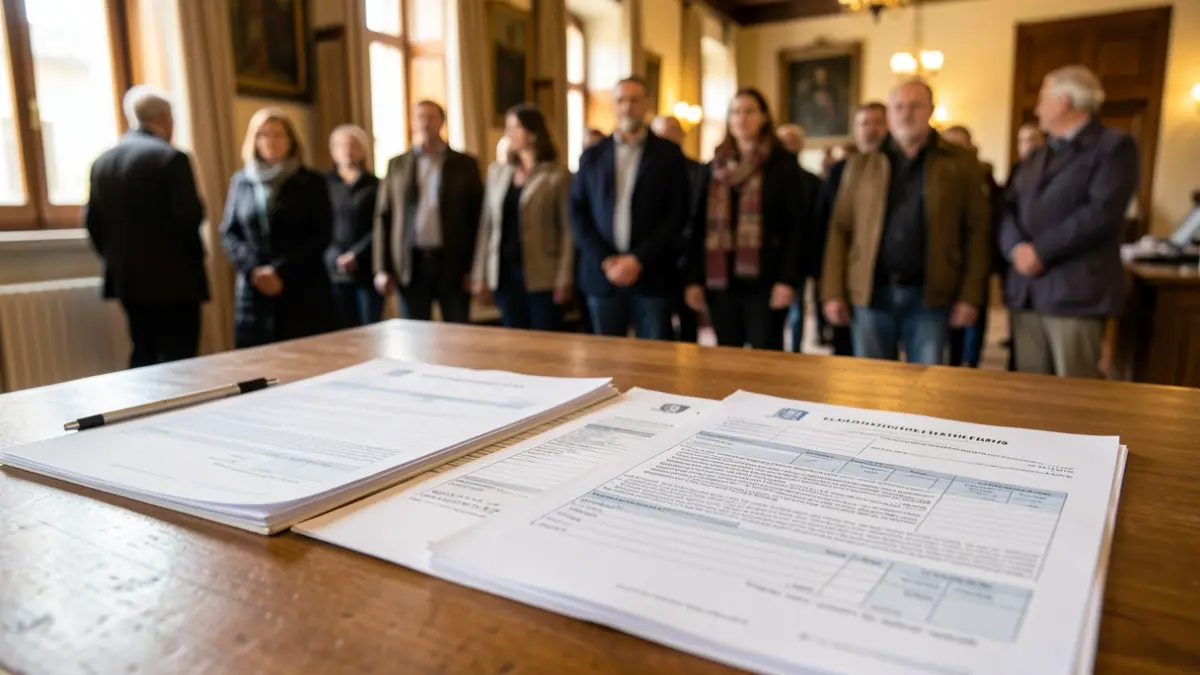
The Por Andalucía coalition toured the Cartuja neighborhood, in Granada's Northern District, to assess the vulnerability of its residents. During the visit, the promotion of a Vulnerable Neighborhoods Law was announced, an integral legislative tool designed to eradicate institutional neglect and systemic social problems in the peripheries of Andalusian cities.
“"The most visible trigger for this social emergency in recent days has been the incessant crisis of electricity supply."
It was noted that, during the first week of the election campaign alone, the Northern District experienced over twenty power outages, a problem that severely impacts families and is replicated in other areas of Andalusia. The left-wing coalition holds the Junta de Andalucía responsible for its lack of oversight of supply companies.
“"President Moreno Bonilla is as responsible for the blackouts as the electricity company executives themselves."
However, coalition representatives warn that the lack of electricity is just the tip of a much deeper structural problem. The tour of Cartuja revealed a "chronification of poverty and social exclusion" passed down through generations, a result of the ineffectiveness of public policies over recent decades.
Andalusian peripheral neighborhoods require immediate intervention to guarantee basic rights such as access to decent housing, improved coexistence and citizen security, and quality social and health services that act as a safety net. Additionally, deficiencies such as the recent cut in urban bus lines, which further isolates residents of the Northern District, have been denounced.
The coalition also emphasizes the need to implement specific training and employment plans for the area, to break the cycle of structural unemployment. They criticize the deficit of educational infrastructure and demand the construction of more public Primary Education and Vocational Training centers, given that 80% of the educational offerings in the district are provided by subsidized private schools.
The coalition's central commitment is to promote the aforementioned Vulnerable Neighborhoods Law, inspired by successful models from other regions, with the aim of acting in a coordinated manner and with guaranteed funding across all dimensions of poverty, from urban planning to social integration.