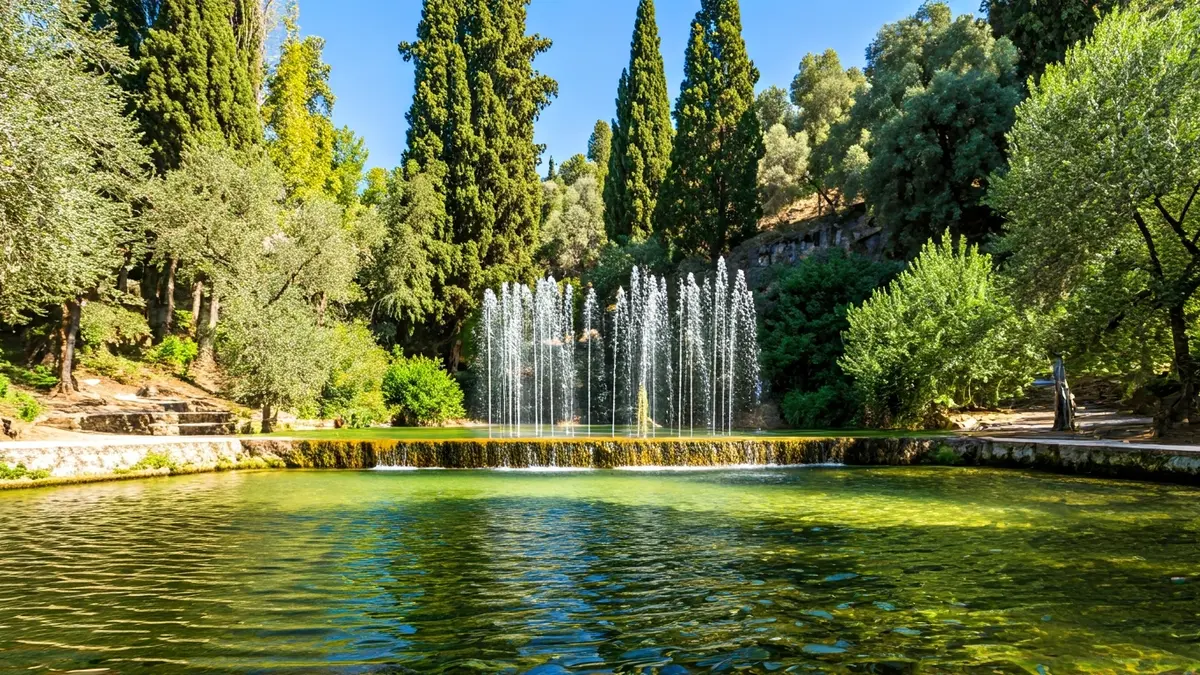
The images, recorded on Monday, April 13, 2026, reveal the majesty of this spring, which has become an unmissable point of interest in the province. Water gushes powerfully from each of its spouts, creating a natural symphony that captivates the thousands of visitors who come daily to contemplate this spot.
This gigantic fountain channels water flowing from the Sierra de San Jorge, providing a crucial contribution to the initial stretch of the Guadalhorce River. The Sierra de San Jorge forms part of the eastern end of the Sierra de Camarolos, a group of limestone mountain ranges that cross the province of Málaga from west to east.
The area around the fountain is characterized by a varied and beautiful landscape, with typical Mediterranean vegetation including olive trees, pines, holm oaks, shrubs, and low scrub. This ecosystem contributes to the natural richness of the place, offering an unparalleled setting for the spring.
The Guadalhorce River is the longest and most voluminous in the province of Málaga, flowing exclusively through its interior and collecting, along with its tributaries, water from over half of the provincial surface.
The waters of the Fuente de los Cien Caños are fundamental for the Guadalhorce River, the longest and most voluminous waterway in the province of Málaga. This river flows through ten municipalities before emptying into the Mediterranean Sea, west of the city of Málaga. Along its course, the Guadalhorce gives rise to other natural sites of great interest, such as the Desfiladero de los Gaitanes (Gaitanes Gorge) and the Desembocadura del Río Guadalhorce (Guadalhorce River Estuary).