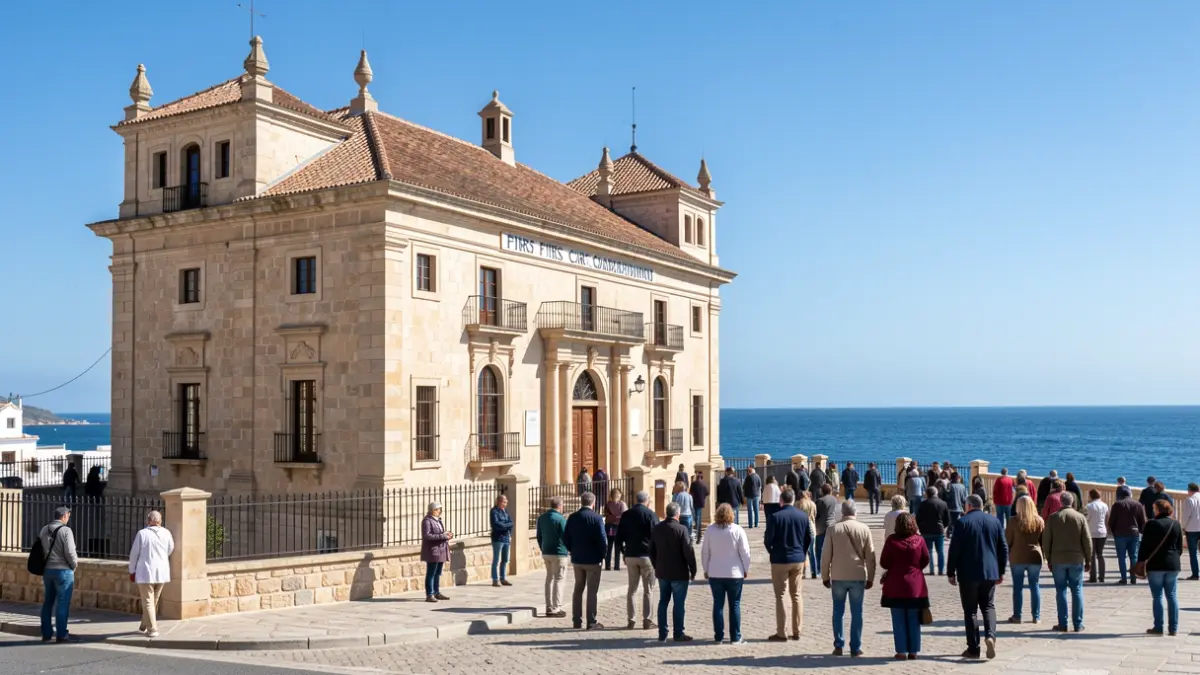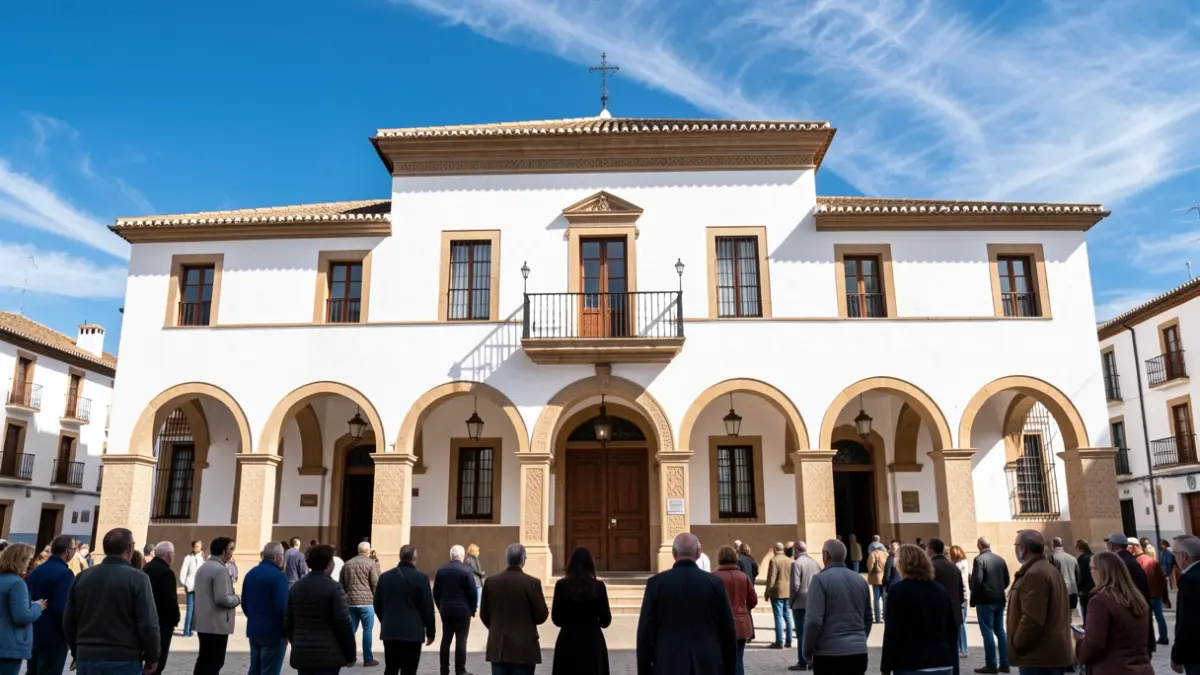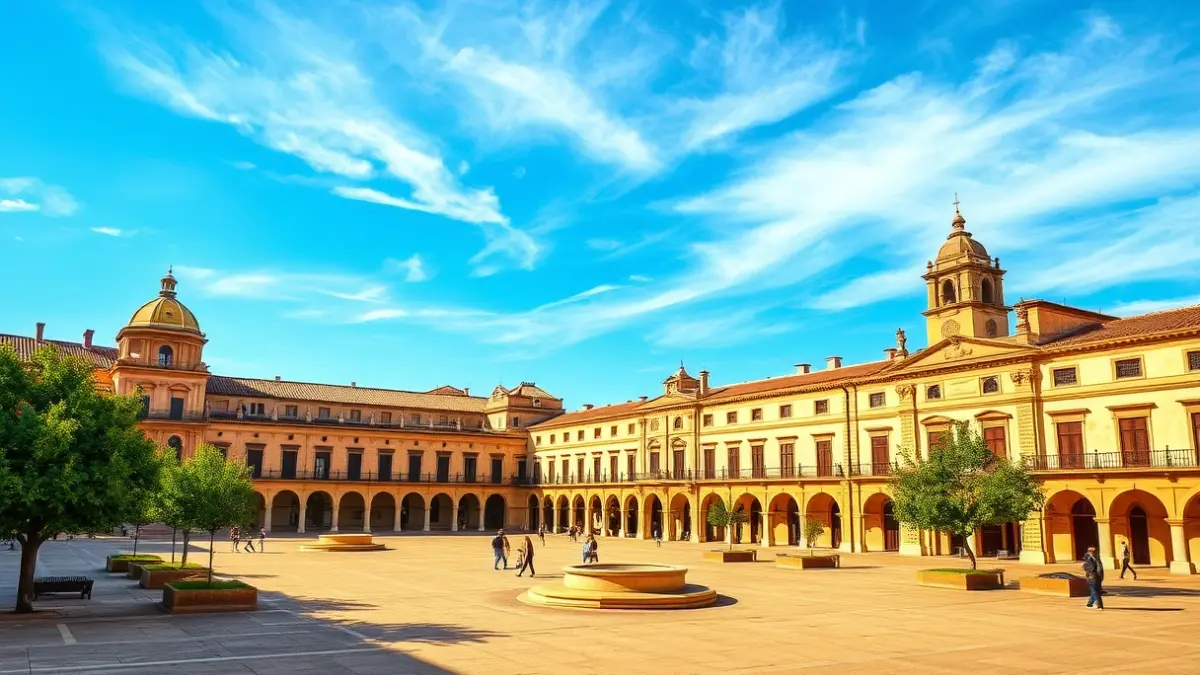
Known for its vast monumental wealth, Úbeda was declared a World Heritage City more than two decades ago. It is a key tourist spot in Andalusia, housing one of the most remarkable historical-artistic ensembles in the country. In fact, it is considered the European city with the highest concentration of monuments per square meter after Rome, especially in its emblematic Plaza Vázquez de Molina.
Úbeda's selection by the readers of Revista Viajar underscores its enduring appeal as a destination in the southern peninsula for getaways at any time of the year. Its monuments, the exquisite local gastronomy with delicacies such as stuffed salty ochíos, and a vibrant cultural agenda that includes numerous music, dance, film, and theater festivals, solidify it as a must-visit.
This recognition is particularly significant, as Úbeda is the only municipality in Jaén featured on the list, sharing space with other Andalusian capitals such as Cádiz, Seville, Córdoba, and Granada. The presence of five Andalusian destinations among the fifteen selected highlights the region's tourism weight in this ranking.
Among the must-see attractions for visitors are the Alfarería Tito, a benchmark of local craftsmanship, and the aforementioned Plaza Vázquez de Molina, which concentrates architectural gems such as the Sacra Capilla del Salvador and the Palacio Juan Vázquez de Molina. Other highlights include the Hospital de Santiago, known as Úbeda's "civil cathedral," and the Iglesia de San Lorenzo, a deconsecrated space that now hosts intense cultural activity. Additionally, the Museo de San Juan de la Cruz offers an immersion into the history of the saint, whose life is closely linked to the city.
For a complete experience, a stay of at least a full weekend is recommended, booking accommodation in advance due to high demand, especially on key dates. The offerings include hotels, rural houses, and apartments, many with pools, a bonus during the summer months due to high temperatures.