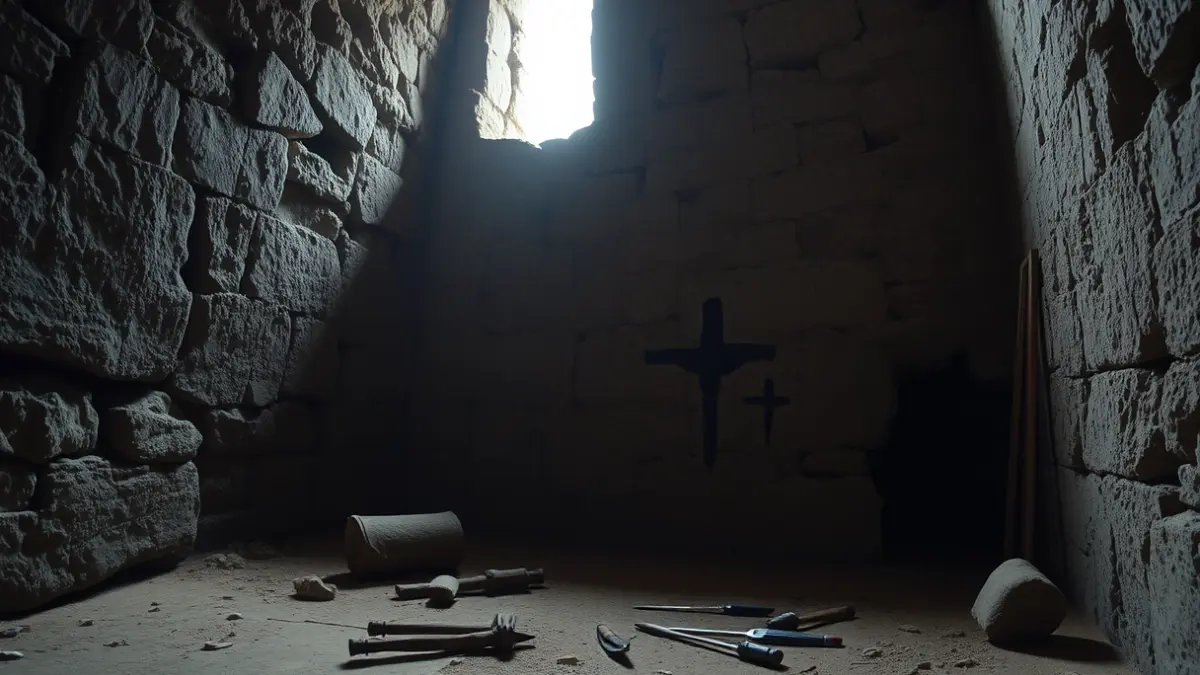
Restoration projects at Sabiote Castle have brought to light a series of previously unknown rooms within the emblematic Homage Tower. Among the most significant findings are subterranean passages, 1.8 meters high, whose walls display charcoal graffiti. These drawings include names, dates, and depictions of crosses and spears, dated between the years 1548 and 1560.
In addition to the passages, a chamber has been identified that could correspond to a large cistern, designed for collecting water from the tower's roof, with nozzles still visible in the western area. The rooms were filled with debris, from which arch voussoirs, bricks, and ceramic fragments dating from the Late Middle Ages to the modern era (15th to 17th centuries) were recovered.
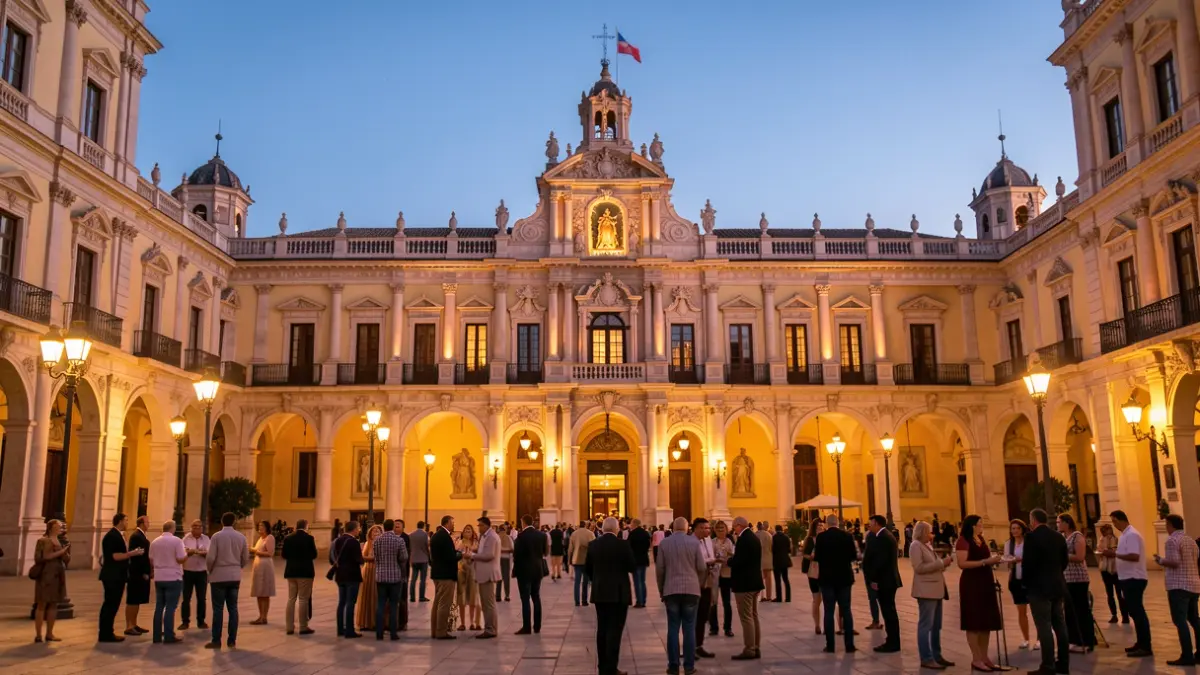
This discovery gains particular historical relevance when contextualized with the castle's history. In 1537, don Francisco de los Cobos, secretary to Emperor Charles I, acquired the fortress. Between that year and 1543, Cobos transformed the ancient Hispano-Muslim alcazaba into a remarkable Renaissance Palace. The graffiti, dated shortly after this renovation, offers a unique glimpse into the inhabitants and visitors of the castle during its period of splendor.
“"Sabiote once again demonstrates that the history of Spain sleeps beneath its stones."
The Sabiote City Council has expressed its satisfaction with these findings, which will be reported to the Delegation of Culture of the Junta de Andalucía to determine the next steps for their study, protection, and eventual enhancement. Research and rehabilitation efforts for the castle-palace complex continue, with the expectation of future discoveries that will enrich the historical legacy of the town and the province of Jaén.