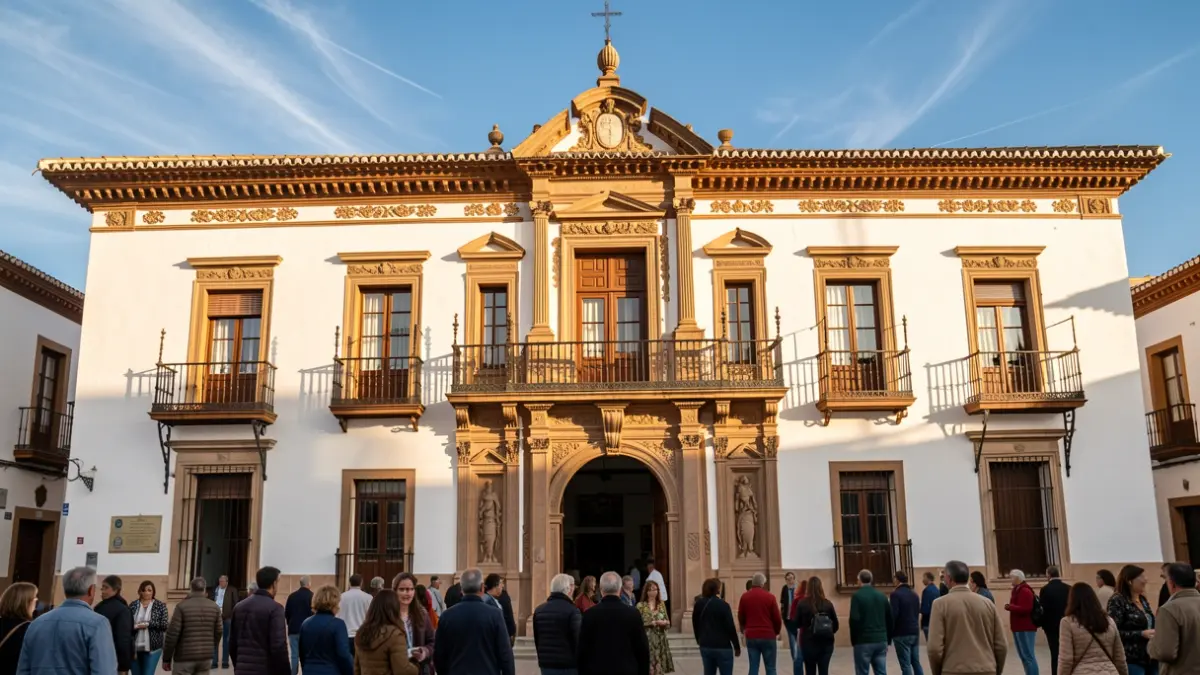
For decades, the San Fernando Cinema was the heart of Canena, a place where not only films were screened, but also romances blossomed and anecdotes were shared, remaining alive in the collective memory. After years of disuse, this emblematic space has been brought back to life thanks to a cultural initiative that blends local, artistic, and social elements.
What began as a Master's Final Project at the University of Jaén, aiming to generate social and artistic impact, evolved into a cultural association. The project focuses not only on the physical restoration of the cinema but also on its reactivation as a living space through various activities, workshops, and events designed to foster intergenerational coexistence.
“"What was initially just an academic project completely got out of hand. The social depth of the project demanded a response with more than just words: action."
Among the cinema's most valuable treasures is an original projection machine from the era, which the organizers hope to restore and bring back into operation. This 1954 projector is considered the “heart” of the cinema, and its recovery is one of the team's biggest dreams.
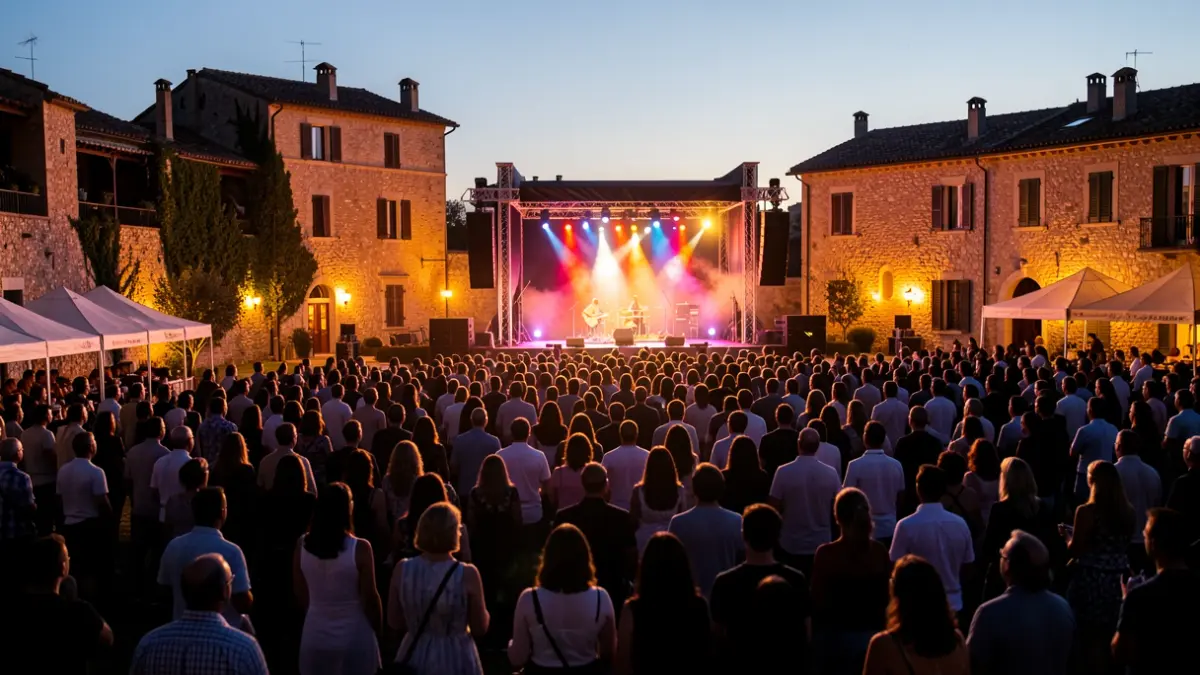
The space is distinguished by its self-managed model and its close relationship with the public, offering concerts at ground level and attracting numerous artists. Furthermore, its strategic location between cities like Madrid and Granada makes it an attractive stop for touring groups. The cultural offering is diverse, including concerts, workshops, traditional festivals, cinema, and children's activities, with symbolic or free prices to ensure cultural accessibility.
The project is primarily funded through ticket sales, support from the City Council, and some grants from the Junta de Andalucía, especially for the short film festival. Despite economic challenges, the promoters have invested personal resources to maintain the welcoming space. The Short Film Festival, celebrating its fifth edition in August, is one of the most prominent events, awarding both the best short film and the “most Canenero short film,” filmed entirely in the town.