The hospitality industry, encompassing bars, restaurants, and beach bars, must now adapt to a new scenario where protecting employees from adverse weather conditions becomes a legal obligation. This change, driven by rising temperatures and more frequent heatwaves, will directly impact the operation of businesses with outdoor service.
The amendment to the VI State Hospitality Labor Agreement (ALEH), signed on April 13 by unions and employers' associations, introduces specific measures to address climatic risks. This agreement, supported by UGT, CCOO, Hostelería de España, and CEHAT, mandates the inclusion of action protocols for heatwaves, heavy rains, floods, or snowfalls within occupational risk prevention plans.
“"Companies must monitor official weather alerts and activate measures when there is a risk to workers' health. In orange or red alert situations, they may be obliged to reorganize shifts, reduce working hours, or even suspend outdoor activities."
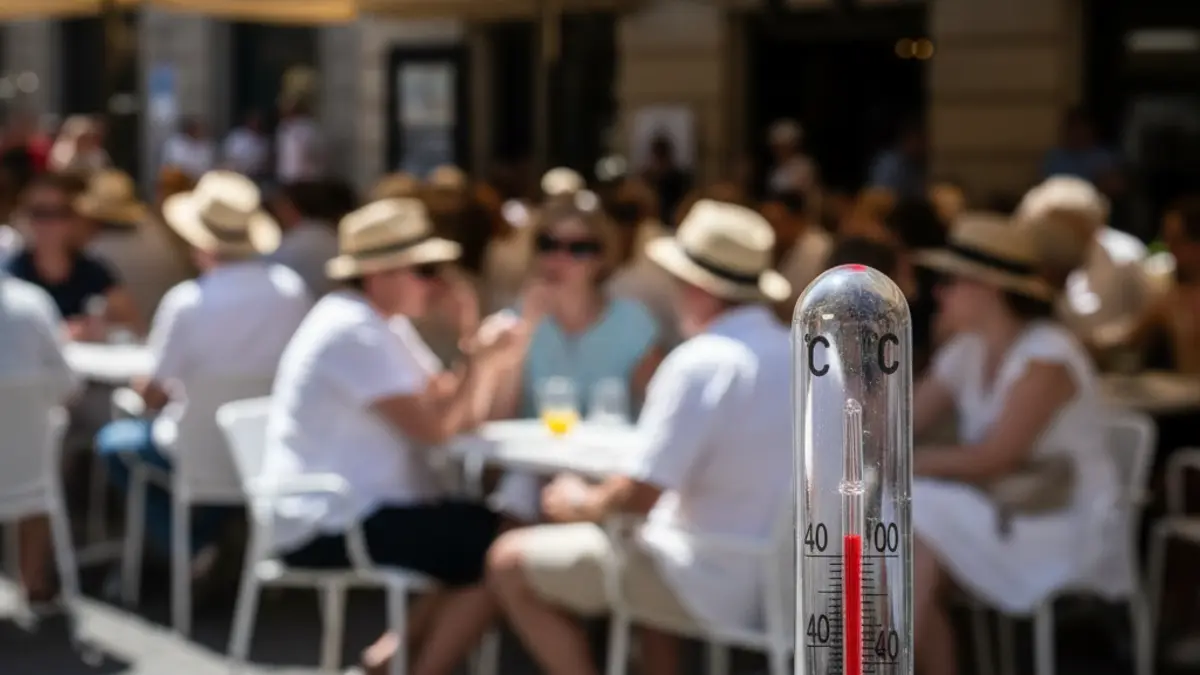
Terraces, crucial for summer hospitality revenue, will be under special scrutiny. To maintain outdoor activity during intense heat episodes, establishments must implement thermal protection systems, such as cooling or shading solutions. Failure to guarantee these conditions could lead to temporary limitations or suspension of terrace activity, depending on the alert level.
Non-compliance with these new guidelines can result in substantial financial penalties. In the most severe cases, fines could reach up to 50,000 euros, especially if workers are forced to remain on terraces during red alerts without adequate protection measures. The Labor Inspectorate will be responsible for monitoring and enforcing these sanctions.
This regulation represents a structural change in summer hospitality, where schedules, shifts, and activity rhythms will progressively adapt to the climate. Heat is no longer just a consumption variable but becomes a determining factor in the sector's daily operations, transforming the traditional image of sun-drenched terraces.