The recent seismic events in Granada and its Metropolitan Area have caused concern among residents, but initial technical inspections suggest a calm outlook. Javier Lafuente, secretary of the College of Technical Architects of Granada, has stated that most detected incidents are not structural and do not compromise the stability of buildings.
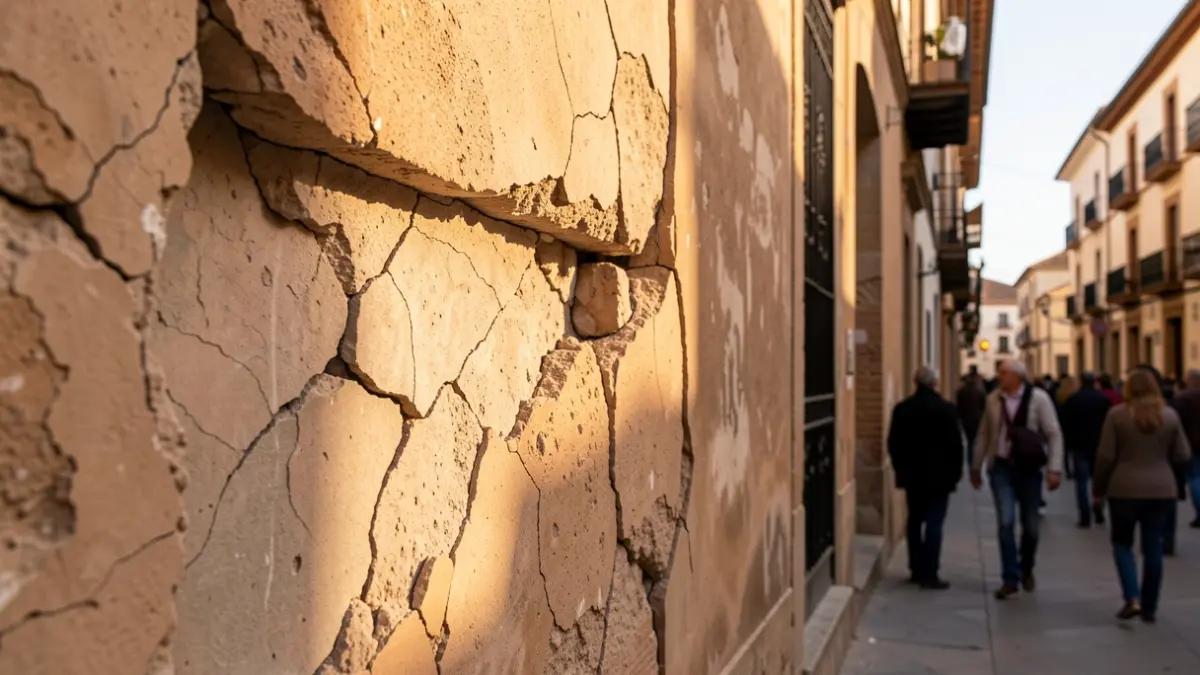
According to Lafuente, the observed incidents are primarily concentrated on cornices, pinnacles, tiles, and other ornamental facade elements that may have shifted or detached due to vibrations. These are preventive measures to avoid unstable elements falling into public areas.
The response team, including Local Police, Firefighters, Civil Protection, and 112, is "overwhelmed" by the thousands of reports received. Technical architect teams conduct between 15 and 20 inspections daily, often requiring them to locate property owners or building managers to facilitate access.
There have been "very isolated" cases involving extremely old homes with vulnerable construction systems, and some minor evacuations. However, Lafuente emphasizes that there is no widespread risk of collapse in the city.
Granada possesses extensive experience and technical knowledge in seismic activity. Construction regulations have evolved, particularly since 1970-1972, incorporating higher seismic resistance requirements in more recent buildings, although older constructions may also have adequate criteria for their time.
The Albaicín neighborhood, despite its age, has reported very few incidents. This is attributed to how seismic energy propagates and the specific characteristics of each area and building.
Lafuente urges Granada residents to remain calm, advising against panic and recommending adherence to guidelines from Civil Protection and specialists. "The buildings are performing very well," he summarized, adding that teams will continue inspections, particularly in areas with elements that could pose a danger to pedestrians.