The project aims to transform the itinerary into a modern, safe, and 21st-century tourist product. To achieve this, the website caminomozarabesantiago.es has been updated with multimedia content, details on facilities and services, and information on municipal interests and local heritage.
Efforts are underway to establish centralized reservation management and traveler check-in services, along with mandatory automated connection to the Ministry of the Interior. These digital infrastructures are complemented by interactive totems, information screens, and QR codes at emblematic points, providing real-time cultural, gastronomic, and safety information.
Ana Rosa Ruz, Delegate of Finance and European Funds, highlighted that these actions will increase the province's historical and cultural knowledge, improve accessibility and user experience, generate socioeconomic opportunities for local businesses, and foster autochthonous culture while encouraging population retention in rural areas.
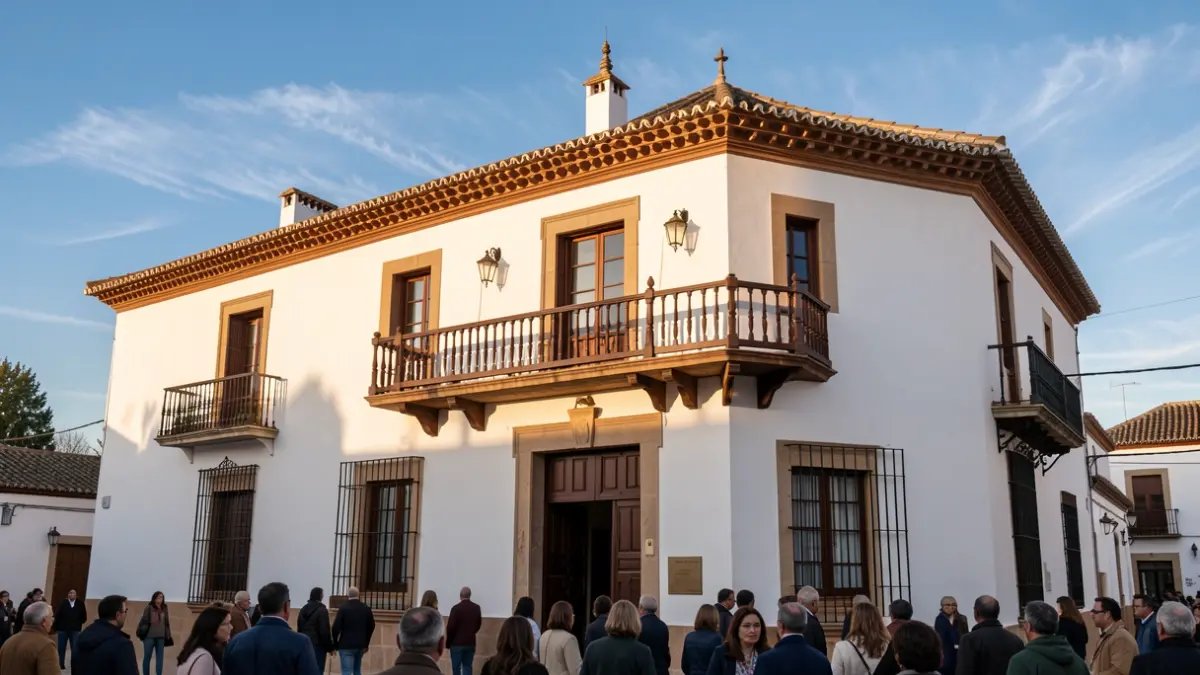
The event, held at the Hogar del Pensionista in Obejo, was also attended by the mayor of the municipality, Pedro López, and the president of the Association of Friends of the Camino Mozárabe de Santiago, Joaquín Gómez.
The project has a total budget of over 2.6 million euros, co-financed at 75% by the European Union through the Spain-Portugal Cross-Border Cooperation Operational Program (POCTEP). It involves twelve partners, including provincial councils from Badajoz, Cáceres, Cádiz, Huelva, Zamora, Ourense, and Seville, along with the Junta de Extremadura and Portuguese municipalities like Barcelos and tourism entities from Alentejo and Centro de Portugal.