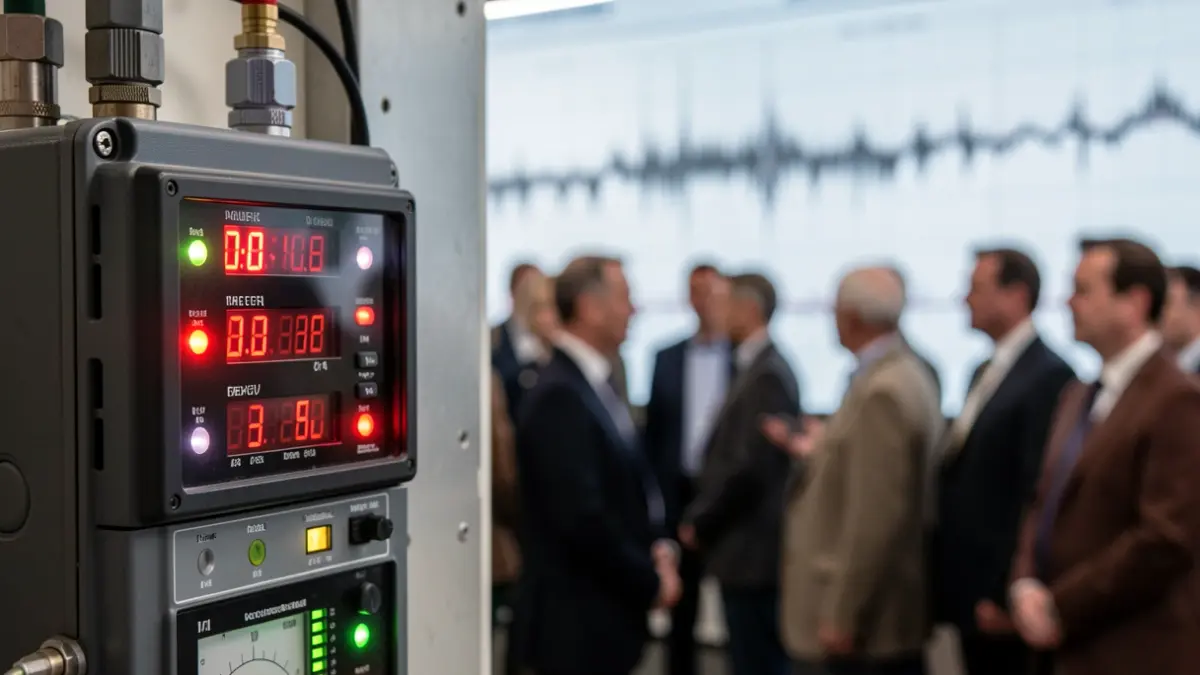
The tremor, felt intensely in Granada and its metropolitan area, has prompted the IGN to enhance its detection capabilities. The institution already operates 39 permanent seismic sensors within a 50-kilometer radius, with the closest to Alhendín being the stations in Armilla, Churriana de la Vega, and Dílar. This data is supplemented by information from seven seismic stations of the Andalusian Institute of Geophysics (IAG).
The earthquake, with a calculated magnitude of 4.8, was felt in several provinces, including Málaga, Murcia, and southern Castilla La Mancha, with some reports even reaching the southern part of the Community of Madrid. The seismic mechanism is consistent with an active normal fault in the area.
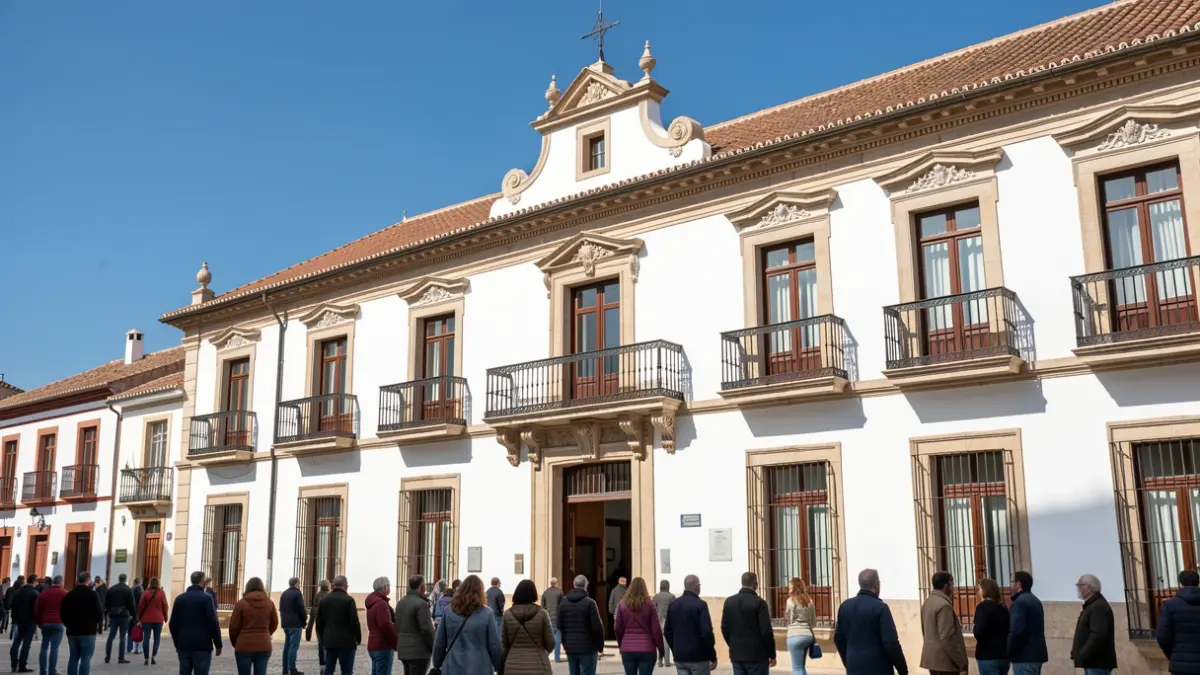
In the aftermath of the seismic event, the 112 Andalucía emergency service handled over five hundred calls. Local Police in Granada responded to approximately 225 calls, and the Fire Department to around 220, primarily concerning cracks in homes and facades. Urban planning services are set to inspect nearly a hundred buildings, and rescue operations were conducted for individuals trapped in elevators and homes.
Experts from the Andalusian Institute of Geophysics indicate that the event aligns with a seismic series, characterized by a strong main shock followed by aftershocks of decreasing intensity, distinguishing it from the 2021 seismic swarm. It is anticipated that the intensity and number of tremors will gradually decrease. The importance of not exiting buildings during an earthquake to avoid risks from falling debris is reiterated.
The fault involved in this seismic series is not the same as the one in Santa Fe and Atarfe. Granada features numerous small, interconnected faults, where the release of stress in one can affect others. The IAG is analyzing accumulated data to identify the specific fault responsible for the movements. Researchers like José Morales have highlighted the "seriousness" of the main shock, noting "exceptionally high" values recorded by the accelerometer network.
Over 300 earthquakes have been recorded in this series, most of which were imperceptible to the public. Researcher José Morales described the episode as a typical main shock with a sequence of aftershocks likely to continue in the coming hours and days.