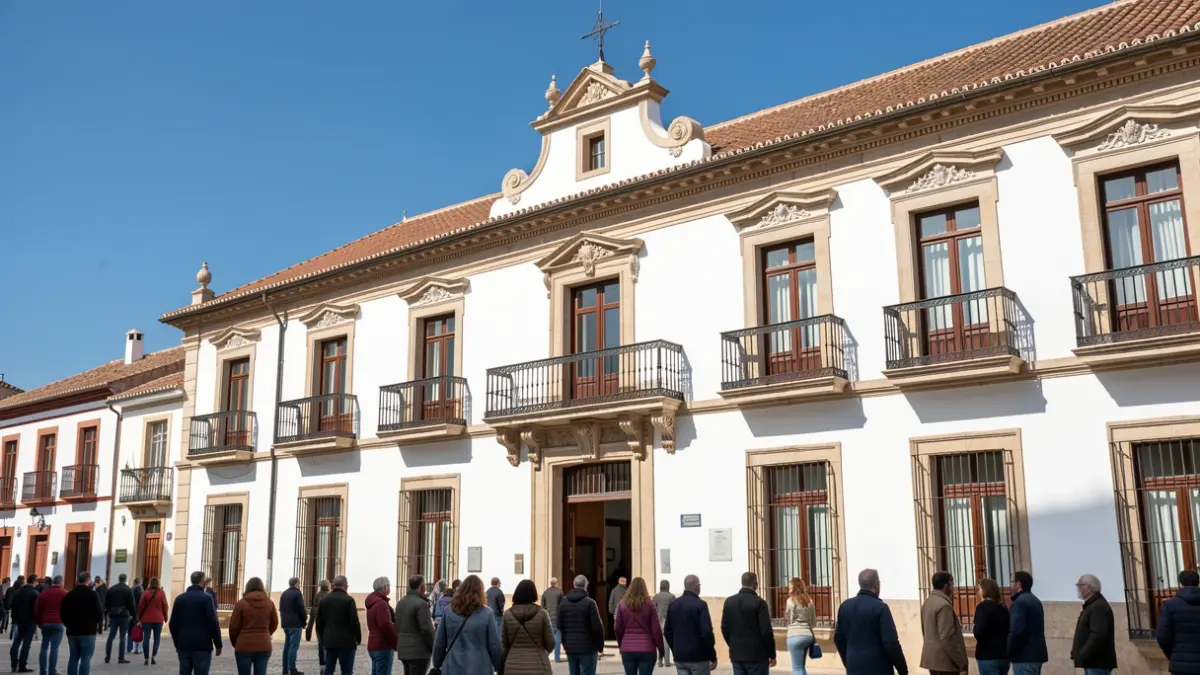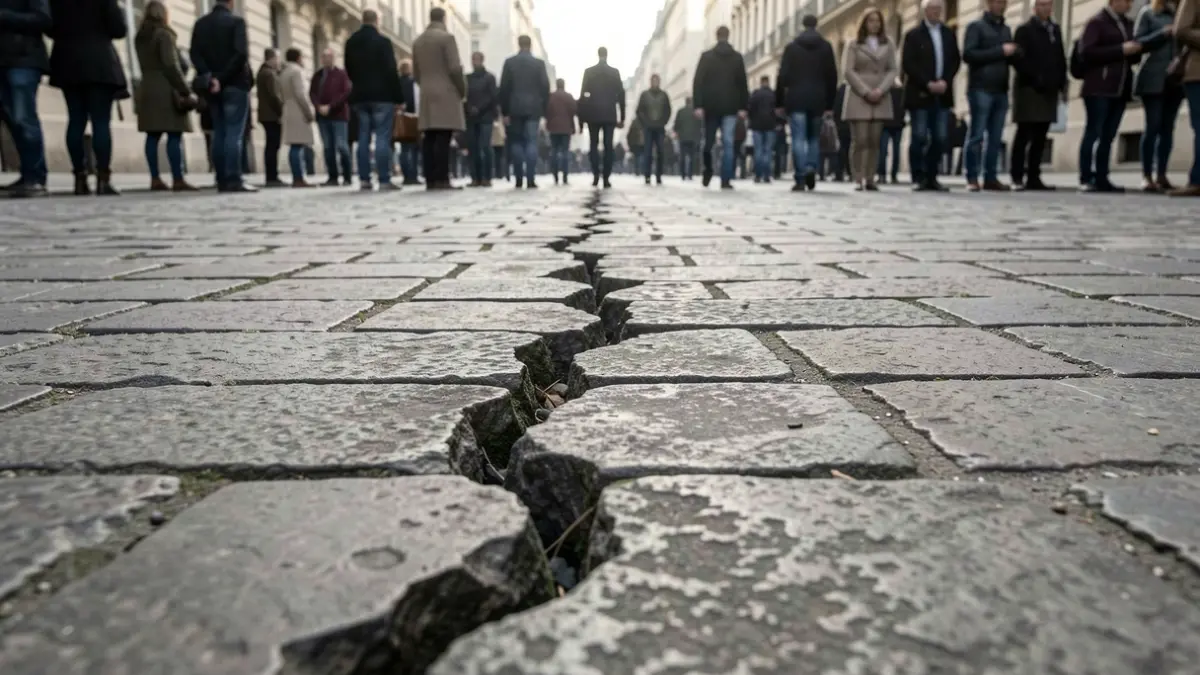
The main tremor occurred at 1:04 AM with an epicenter northeast of Alhendín, about eight kilometers southwest of the Granadian capital. The strongest aftershock, reaching magnitude 3.3, occurred approximately five hours after the initial event.
All subsequent aftershocks have originated at depths of less than 10 kilometers. The area, according to the IGN, is characterized as one of the highest seismic activity and risk zones on the Iberian Peninsula.
The tremor was felt in large parts of central and eastern Andalusia, as well as in various towns in Murcia, Castilla-La Mancha, and the Community of Madrid. The over 10,000 questionnaires received by the institute have confirmed the fall of objects and non-structural damage in buildings within the epicentral zone.
This episode is part of the usual seismic activity in the Granada basin. However, the province's seismic history recalls larger-scale events, such as the destructive earthquake of Arenas del Rey in 1884 (estimated intensity 9-10) and another recorded south of Granada in 1431 (intensity 8-9).
The most recent precedent was the seismic swarm that affected Santa Fe and Atarfe between December 2020 and August 2021, with over 3,000 shallow earthquakes, six of which exceeded magnitude 4, and a maximum of 4.5. This morning's earthquake therefore represents the highest magnitude recorded in Granada in recent decades.