The question of why some people live past 100 has fueled the concept of 'blue zones,' territories with a high concentration of centenarians. However, doctors and researchers have cautioned that longevity is not a fortuitous phenomenon nor exclusive to certain geographies.
The region of Sardinia, traditionally associated with high life expectancy, has been cited as an example. Researcher Ana Canelada explained that changes in diet, reduced physical activity, urbanization, and social isolation are eroding the factors that historically promoted longevity there.
Specialists warn that these transformations demonstrate that a long-lived population can cease to be so within a single generation if their habits and environment change.
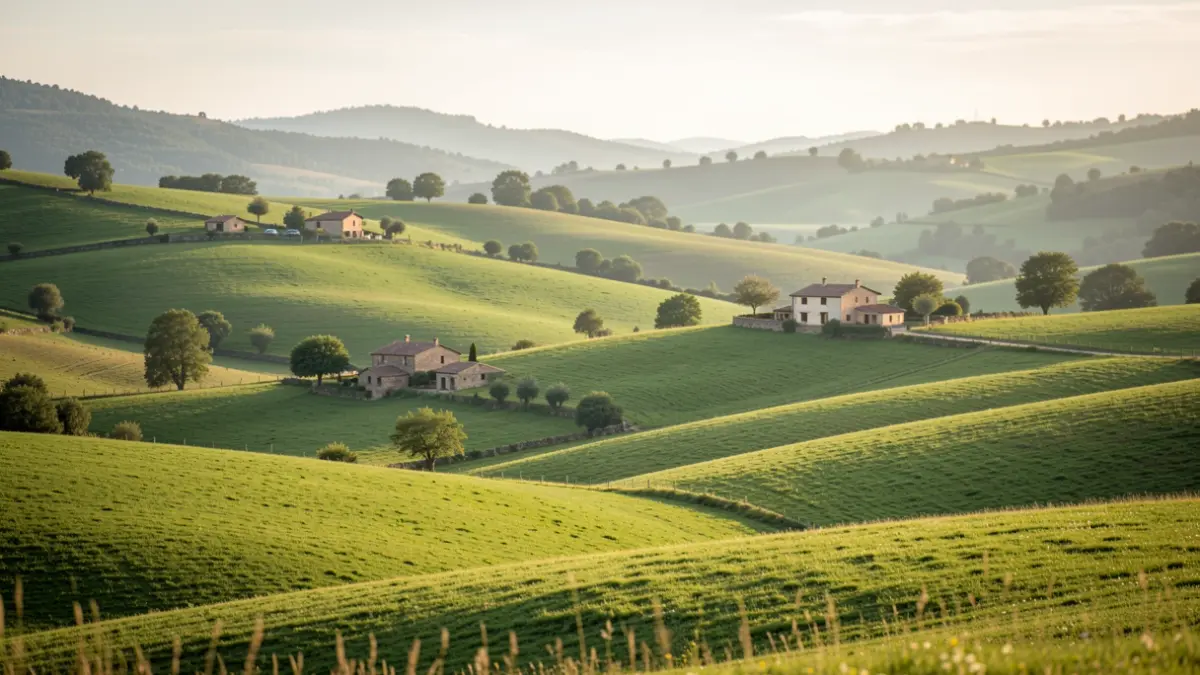
In Spain, researchers point to some northern provinces that exhibit demographic and social characteristics conducive to studying longevity, such as family networks, community cohesion, and rural lifestyles. Nevertheless, they stress the need for scientific rigor before labeling any territory a true 'blue zone'.
A map based on the Extreme Longevity Index (ELI) shows that the northern and northwestern provinces of Spain concentrate the highest values for the probability of reaching 100 years, while the peninsular south and parts of the Mediterranean coast show the lowest.
Specialists agree that longevity is multifactorial, resulting from a combination of biological, social, environmental, and lifestyle factors. Maintaining a balanced diet, regular physical activity, stable social relationships, and reducing isolation are recurring keys in research on healthy aging.
Therefore, beyond geographical location, experts remind us that daily habits remain the most important tool for gaining years of life and, above all, quality of life.