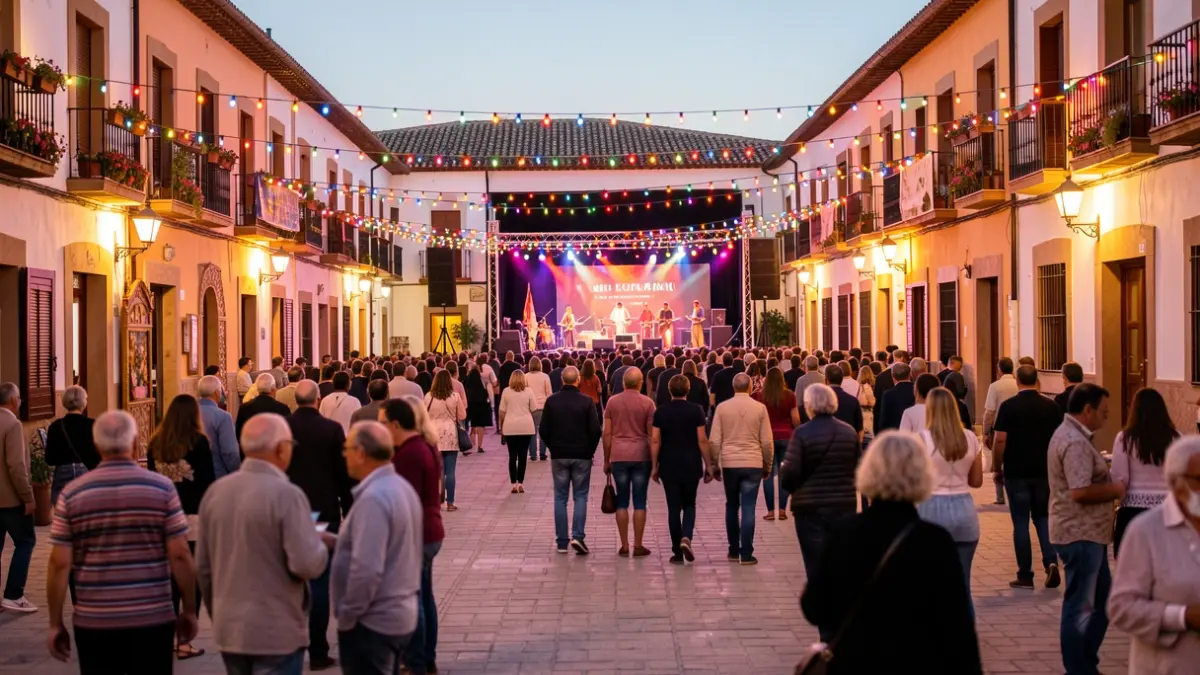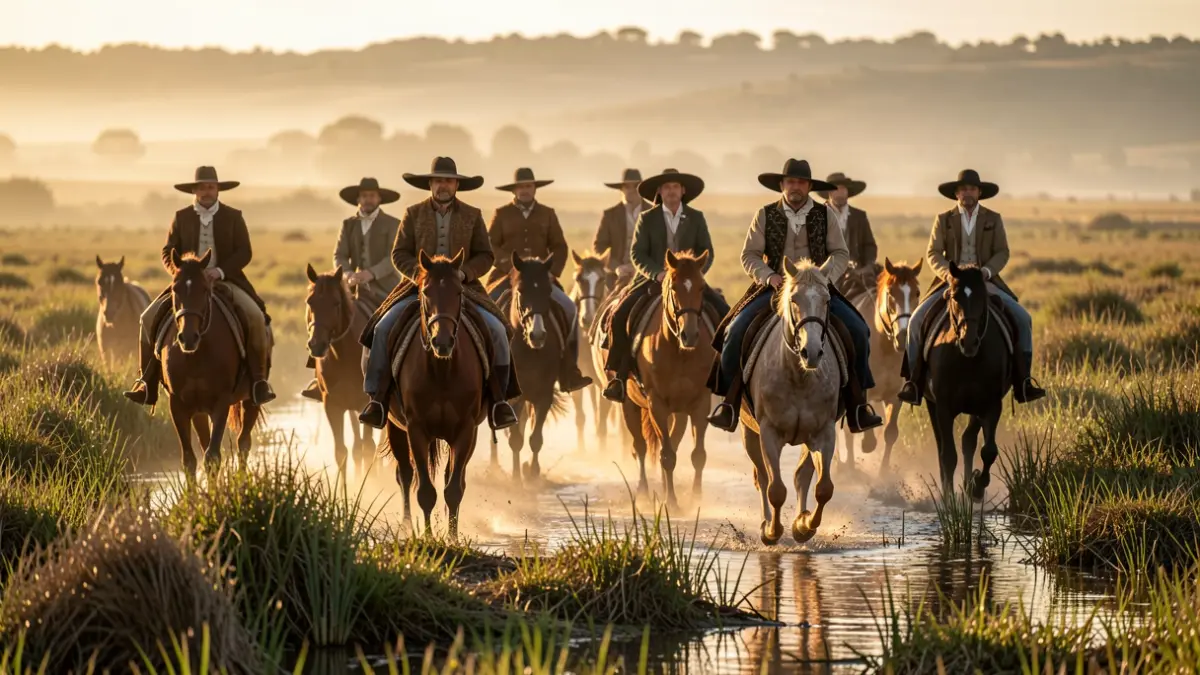
The Huelva town of Almonte has commenced its 7th Agro-Livestock Fair, a celebration honoring its deep-rooted marshland heritage. This event, extending until June 30th, officially began this Saturday following the historic 'Saca de las Yeguas', where livestock were moved from the marshes of Doñana to the Huerta de la Cañada livestock grounds.
The official inauguration, held at 10:00 AM, has ushered in a packed agenda. Attendees can enjoy traditional tasks, livestock exhibitions, and educational activities, alongside a buying and selling market. As part of the kickoff, a guided tour was provided for therapeutic groups from Almonte's Community Social Services, allowing them firsthand insight into the livestock tasks and various exhibitions.
Until Monday, June 29th, the Livestock Corner will be bustling with activity daily from 8:00 AM to 8:00 PM. The days will feature livestock marking and identification, the "tusa" technique, and market dynamism. Complementing these tasks, between 11:00 AM and 1:00 PM each day, the fair will host the morphological contest to evaluate the quality of the animals.
The intellectual aspect of the fair will be represented by the Association for the Promotion of Science in Almonte (AFCAL). Celebrating its tenth anniversary, the entity will host the X International Conference on Advanced Studies this Sunday, June 28th, merging equine legacy with scientific rigor.
Monday, June 29th, marks the conclusion of the animal presence with the purebred equine auction organized by the National Association of Marshland Livestock Breeders. Subsequently, livestock will be grouped by farm from 9:00 AM to 2:00 PM and 6:00 PM to 8:00 PM, preparing for the animals' return to their permanent home in the Doñana Natural Space on the 30th.
The 'Saca de las Yeguas' holds profound historical significance, with documentary references dating back to 973 and a known ordinance from 1504 by the Duke of Medina Sidonia, establishing it as a key identity symbol of the province of Huelva.
Beyond folklore, the marshland horse plays an indispensable ecological role in balancing Doñana, where they graze freely for most of the year. The work of the horse handlers during these days is crucial not only for livestock management but also for maintaining unique biodiversity in Europe.