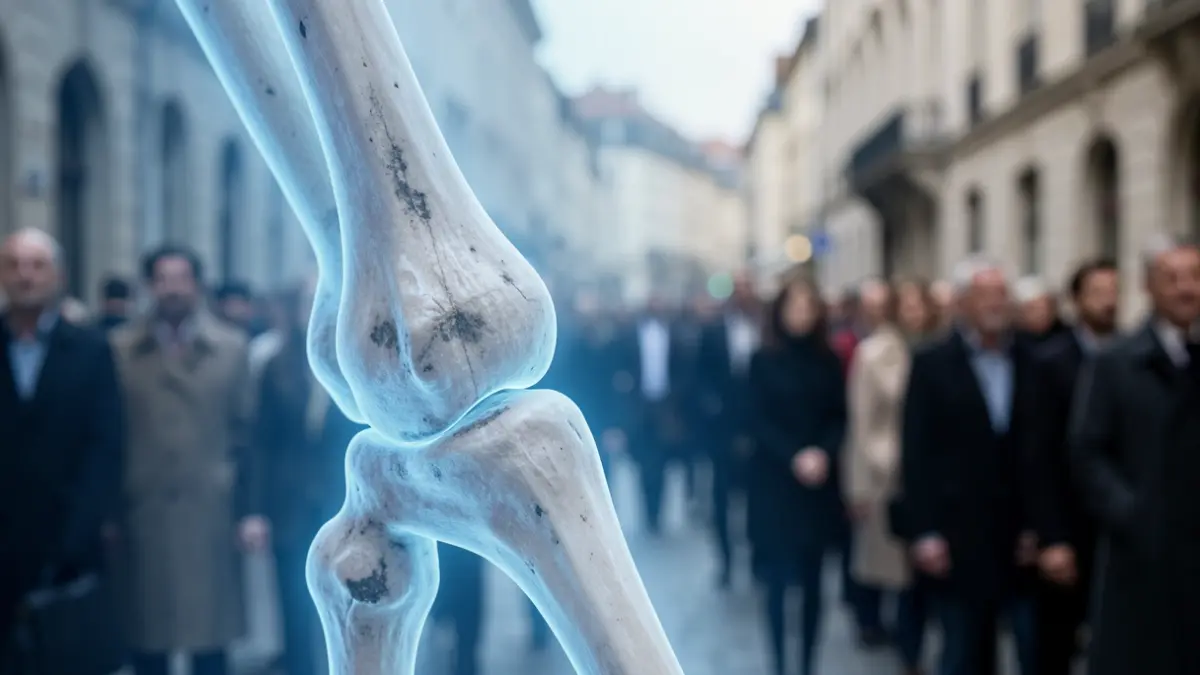
Quirónsalud Marbella Hospital has inaugurated its Health Seminars program with a session focused on osteoporosis, a high-prevalence condition that progresses silently and can lead to severe consequences if not detected early.
During the event, specialists from various areas conveyed a key message: osteoporosis does not cause pain until a fracture occurs. It was explained that this disease weakens bones, reducing their density and strength, significantly increasing the risk of fractures, even from minor falls. The emphasis was placed on the fact that the condition is usually asymptomatic until a fracture appears, highlighting the importance of early diagnosis.
“"Osteoporosis is a disease that weakens bones."
Dr. Cynthia León, a Rheumatology specialist, detailed that osteoporosis involves a progressive loss of bone density and strength. While signs like height loss or back pain may appear, in most cases, the disease progresses without evident symptoms until advanced stages.
Dr. Isabel María Blanco, Head of Gynecology, addressed the impact of menopause, noting that the natural reduction in estrogen accelerates bone resorption. She stressed that initiating hormone therapy within the first 10 years after menopause effectively prevents rapid bone mass loss and is associated with a good long-term cardiovascular safety profile.
“"Nutrition is one of the most important modifiable factors impacting bone health."
Nutritionist Merly Villamizar highlighted diet as a fundamental pillar in prevention, stating that it is crucial for bone health and that overall nutritional balance must be improved to protect bone structure.
Dr. Pilar Román, a specialist in Physical Medicine and Rehabilitation, emphasized exercise as an effective tool. She explained that muscles stimulate bones to stay strong and that strength training, impact exercises, and those focused on balance and stability, such as weight training, resistance bands, Pilates, or dancing, are most beneficial. She noted that exercise can be performed at any stage of osteoporosis, although specific assessment may sometimes be required.
“"Osteoporosis is a long-distance race."
Dr. Nerea Costas, Head of Rheumatology, described osteoporosis treatment as a 'long-distance race,' emphasizing the need for continuous management tailored to each patient's risk profile to strengthen bones and maintain long-term benefits. She underscored the importance of therapeutic planning and treatment adherence.
The ultimate goal, shared by all specialists, is to prevent fractures and their consequences, preserving patients' autonomy and quality of life. The Health Seminar highlighted the importance of a multidisciplinary approach combining early diagnosis, healthy habits, and individualized treatment, reinforcing the hospital's commitment to health education.