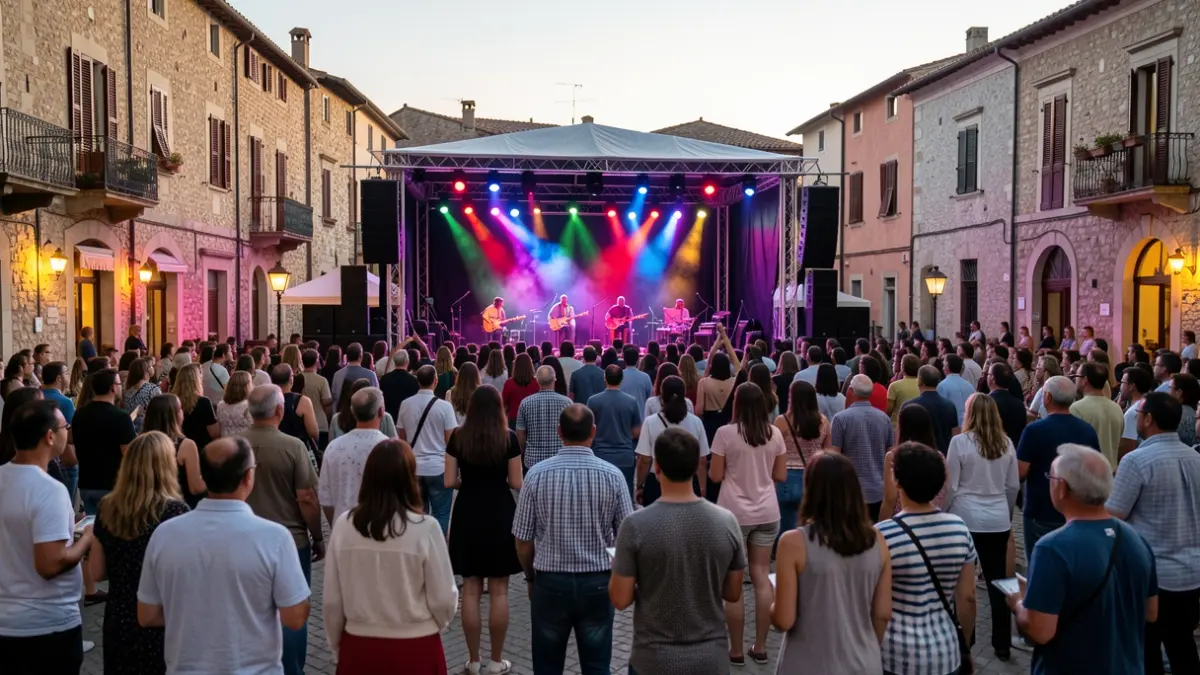
The word 'historic', which should be reserved for events of lasting significance, is now lightly applied to any occurrence that generates momentary impact or a large public turnout. This trend is observed in various fields, where events like a bullfight with trophies or a massive concert are quickly labeled as 'historic'.
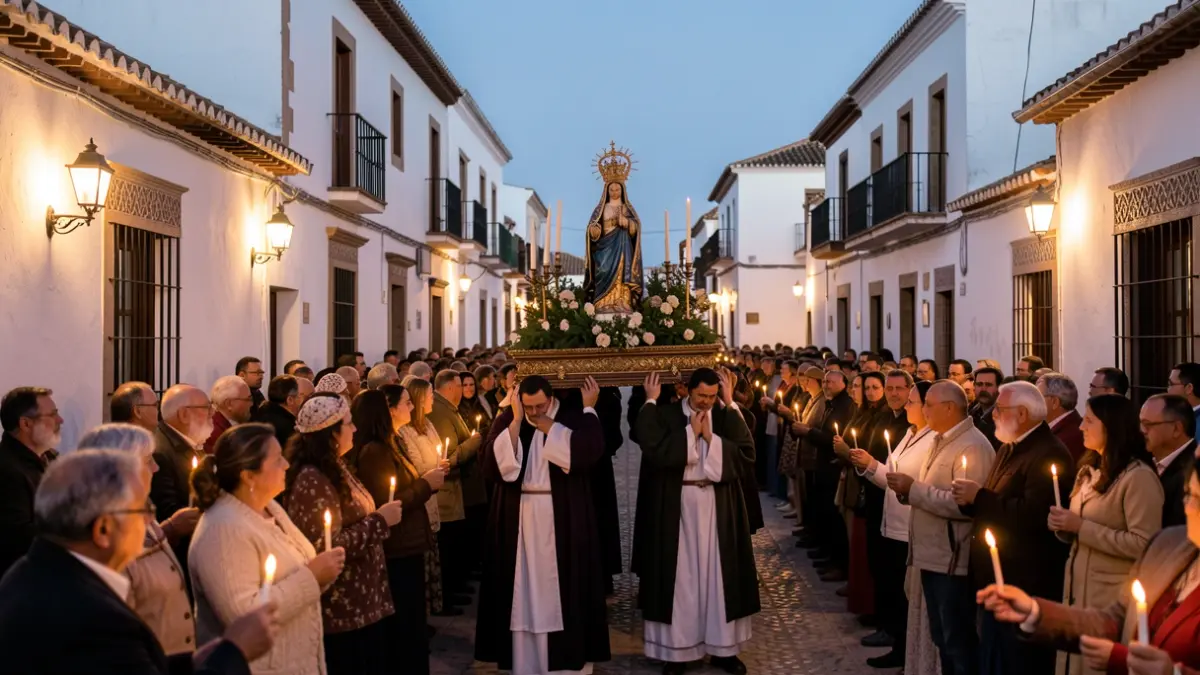
Even religious manifestations, such as processions commemorating specific anniversaries or the delivery of religious figures, are described in this way, as are football matches that were once considered 'classics' and are now elevated to the category of 'historic'. This inflation of the term dilutes its ability to highlight true milestones.
History and, consequently, what is historic, is not exactly what is proclaimed today. The epithet has been grossly taken to indicate the importance given to an event.
The proliferation of self-proclaimed 'historic' events contrasts with the true essence of History, which implies a broader temporal perspective and a significant impact on the course of events. This distortion of language is also evident in political expressions like 'being on the right side of History', used to justify ideological stances and discredit opponents.
The reflection on the use of this term prompts consideration of whether an authoritarian regime, which suppresses freedoms and human rights, can truly be on the 'right side of History', regardless of its economic or military power. Precision in language is crucial to maintain the integrity of public discourse and the value of fundamental concepts.