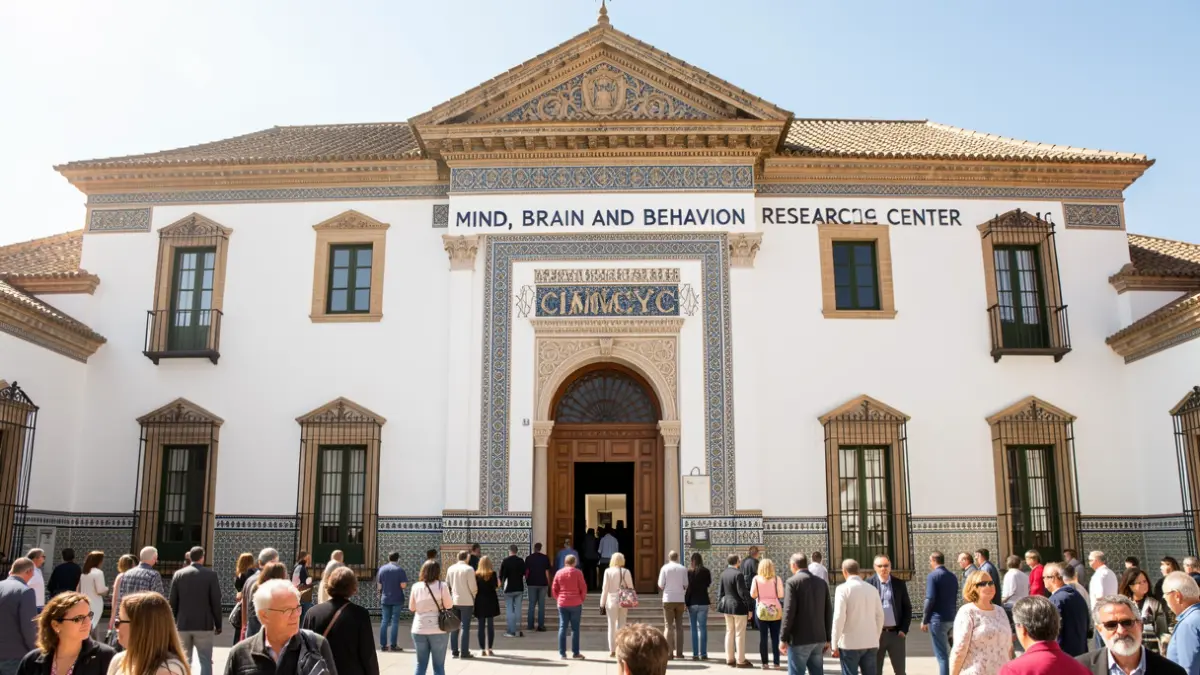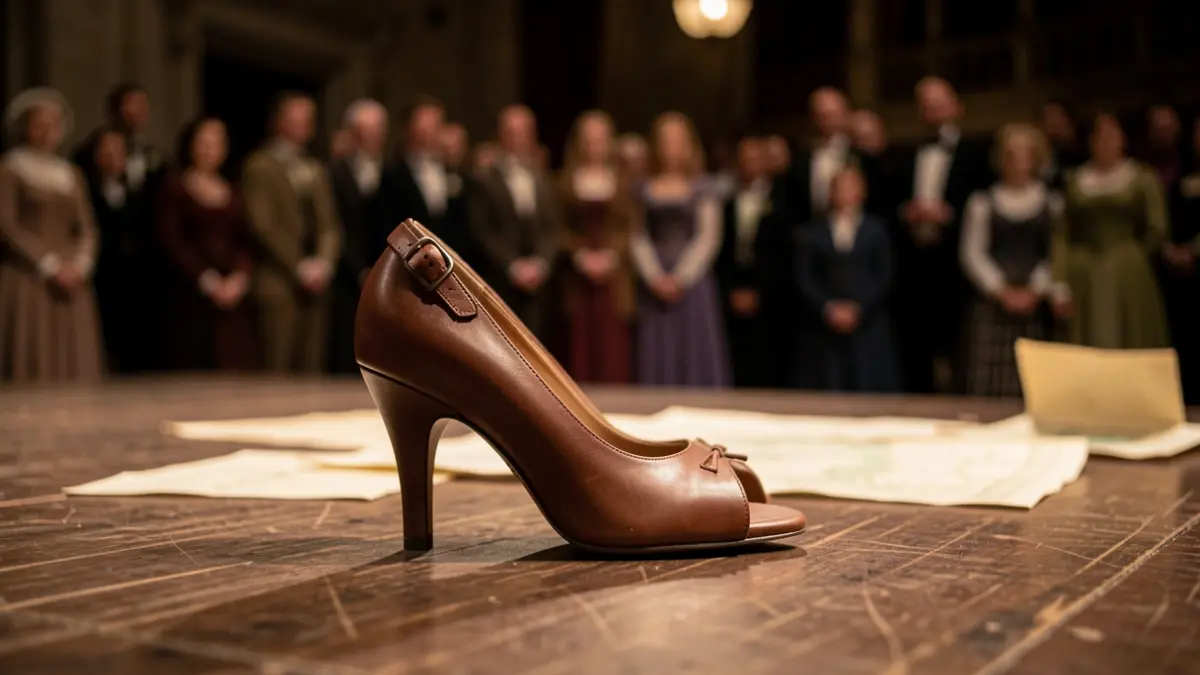
The initiative, driven by the Triángulo Azul Stolpersteine Association of Andalusia and the entity SCNO2 with support from the Provincial Council of Córdoba, is taking place in the towns of Benamejí and Almodóvar del Río.
The main objective of 'Steps of Memory' is to maximize the transformative potential of dance, music, and historical memory in society, weaving a legacy about women repressed during Francoism and their impact on today's women.
This pedagogical and artistic project intertwines contemporary dance and historical memory, targeting Secondary and Baccalaureate Education centers, as well as social and cultural entities in the province of Córdoba.
A journey on which the youngest and civil society embark to understand who we are as individuals, but also as collective memory.
Its goals include facilitating knowledge of the facts and circumstances of the civil war and the dictatorship, promoting their dissemination among youth. It is complemented by workshops for the wider community in the participating towns.
The activity aims to actively show the importance of knowing these events to prevent intolerant behaviors that persist today. It provides young people with tools, through the universal language of dance, to combat intolerance, discrimination, xenophobia, and revisionist attitudes, while emphasizing the defense of freedom and democracy.
The first activities took place in May at the Don Diego de Bernuy institute in Benamejí, the Benamejí Town Hall, and the Cárbula institute in Almodóvar del Río. A performance based on the documentary 'La Luz de nuestra Memoria' (The Light of our Memory), focusing on women and developed with students and women from Benamejí, was presented.
The process culminated in an event open to the community, featuring the documentary screening and the presentation of choreographic creations. Students and women from Benamejí, guided by Ayala, Leire, and Fernando from SCNO2, wove the resulting script with movements.
Activities will resume in October at the Francisco de los Ríos institute in Fernán Núñez and Grupo Cántico in the Cordoban capital, as well as at town halls in the province of Córdoba.