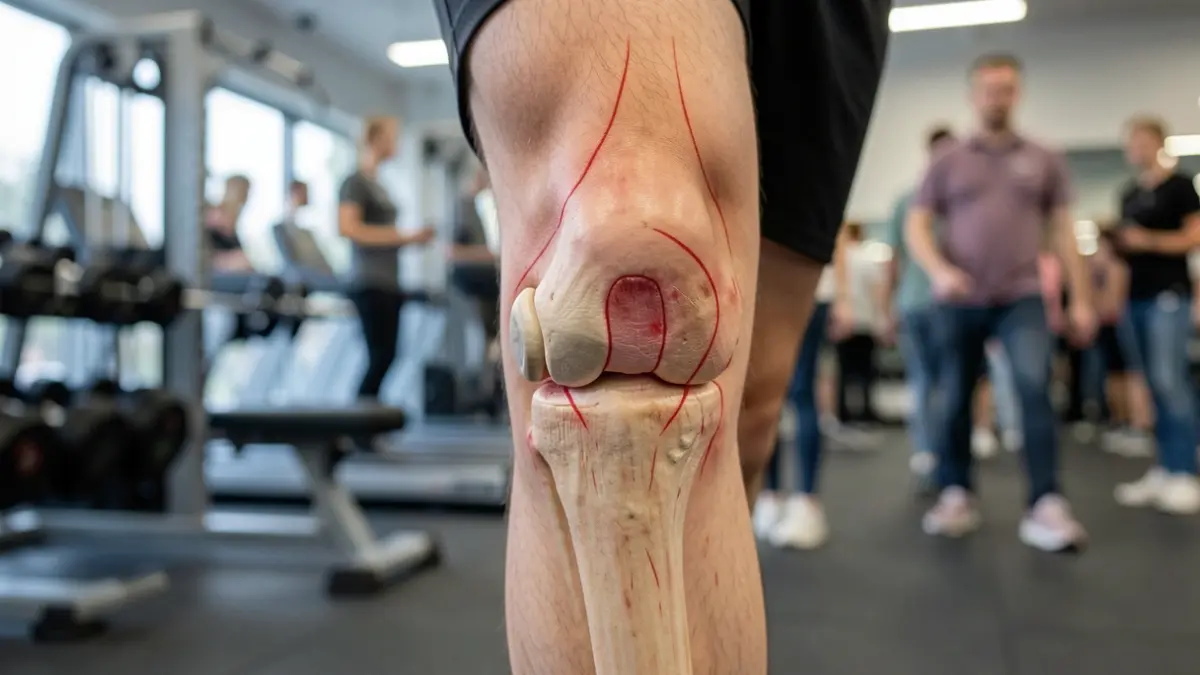
The popularity of CrossFit has grown exponentially, establishing it as a major fitness activity. However, this discipline, which combines strength, endurance, and coordination, has also resulted in a significant rise in musculoskeletal injuries, often linked to improper or excessive practice.
Doctors Sergio González Andreu and Adrián García Iglesias, specialists in Orthopedic Surgery and Traumatology at Quirónsalud Córdoba and Quirónsalud Jaén hospitals, point out that the high intensity and technical complexity of many exercises are the primary drivers behind the increase in consultations for lower limb injuries.
Dr. González explains that while CrossFit offers significant physical benefits, the incorrect execution of explosive movements, abrupt changes in direction, or poor landing technique after jumps can lead to serious injuries, especially in the knee.
Among the most common conditions are anterior cruciate ligament (ACL) injuries, frequent in impact movements and sudden twists. Patellar tendinopathies, popularly known as 'jumper's knee,' caused by repeated overload, are also common, as are patellofemoral syndromes, associated with muscle imbalances or joint alignment issues.
For his part, Dr. Adrián García highlights that in the foot and ankle, sprains remain the most prevalent injuries, particularly during plyometric exercises or lifts where stability is lost. Added to this are plantar fasciitis, stemming from repeated impacts and insufficient adaptation to training, and Achilles tendinopathies, which can progress to partial or complete tears if not treated early.
Dr. García also observes an increase in stress injuries, such as metatarsal stress fractures, related to intensive training without adequate rest periods. These conditions, though initially subtle, can seriously compromise a patient's ability to continue participating in sports.
In light of this situation, specialists emphasize the crucial preventive role of sports traumatology. Biomechanical assessment, gait analysis, and the identification of individual risk factors allow for the anticipation of many injuries and the adaptation of training to each athlete's characteristics.
Furthermore, they stress the importance of supervision by qualified coaches and appropriate progression of workloads to minimize risks and ensure safe sports practice.
The continued growth of CrossFit reinforces the need to promote patient education, prevention, and early intervention as essential tools for improving physical performance without compromising health.