AlmeríaCádizCórdobaGranadaHuelvaJaénMálagaSevillaAlpujarra AlmerienseLos VélezComarca Metropolitana de AlmeríaFilabres-TabernasLevante AlmeriensePoniente AlmerienseValle del AlmanzoraBahía de CádizCampiña de JerezCampo de GibraltarCosta NoroesteLa JandaSierra de CádizAlto GuadalquivirCampiña de BaenaCampiña Sur CordobesaLos PedrochesCórdoba (comarca)SubbéticaValle del GuadiatoValle Medio del GuadalquivirAlpujarra GranadinaComarca de AlhamaComarca de BazaComarca de GuadixComarca de HuéscarComarca de LojaCosta GranadinaLos MontesValle de LecrínVega de GranadaEl AndévaloEl Condado de HuelvaCosta OccidentalCuenca MineraComarca Metropolitana de HuelvaSierra de HuelvaÁrea Metropolitana de JaénCampiña de JaénEl Condado (Jaén)La LomaSierra de CazorlaSierra MáginaSierra MorenaSierra de SeguraSierra Sur de JaénLas VillasComarca de AntequeraLa AxarquíaGuadaltebaCosta del Sol OccidentalMálaga Costa del SolNorormaValle del GuadalhorceSerranía de RondaSierra de las NievesAljarafeBajo GuadalquivirCampiña de CarmonaCampiña de Morón y MarchenaComarca de ÉcijaComarca Metropolitana de SevillaSierra Norte de SevillaSierra Sur de SevillaVega del GuadalquivirAlmeríaCádizCórdobaGranadaHuelvaJaénMálagaSevillaAlpujarra AlmerienseLos VélezComarca Metropolitana de AlmeríaFilabres-TabernasLevante AlmeriensePoniente AlmerienseValle del AlmanzoraBahía de CádizCampiña de JerezCampo de GibraltarCosta NoroesteLa JandaSierra de CádizAlto GuadalquivirCampiña de BaenaCampiña Sur CordobesaLos PedrochesCórdoba (comarca)SubbéticaValle del GuadiatoValle Medio del GuadalquivirAlpujarra GranadinaComarca de AlhamaComarca de BazaComarca de GuadixComarca de HuéscarComarca de LojaCosta GranadinaLos MontesValle de LecrínVega de GranadaEl AndévaloEl Condado de HuelvaCosta OccidentalCuenca MineraComarca Metropolitana de HuelvaSierra de HuelvaÁrea Metropolitana de JaénCampiña de JaénEl Condado (Jaén)La LomaSierra de CazorlaSierra MáginaSierra MorenaSierra de SeguraSierra Sur de JaénLas VillasComarca de AntequeraLa AxarquíaGuadaltebaCosta del Sol OccidentalMálaga Costa del SolNorormaValle del GuadalhorceSerranía de RondaSierra de las NievesAljarafeBajo GuadalquivirCampiña de CarmonaCampiña de Morón y MarchenaComarca de ÉcijaComarca Metropolitana de SevillaSierra Norte de SevillaSierra Sur de SevillaVega del Guadalquivir

European Funding for Imibic in the Fight Against Pancreatic Cancer

A project by the Maimonides Biomedical Research Institute of Córdoba receives 1.3 million euros to reduce chemotherapy resistance.

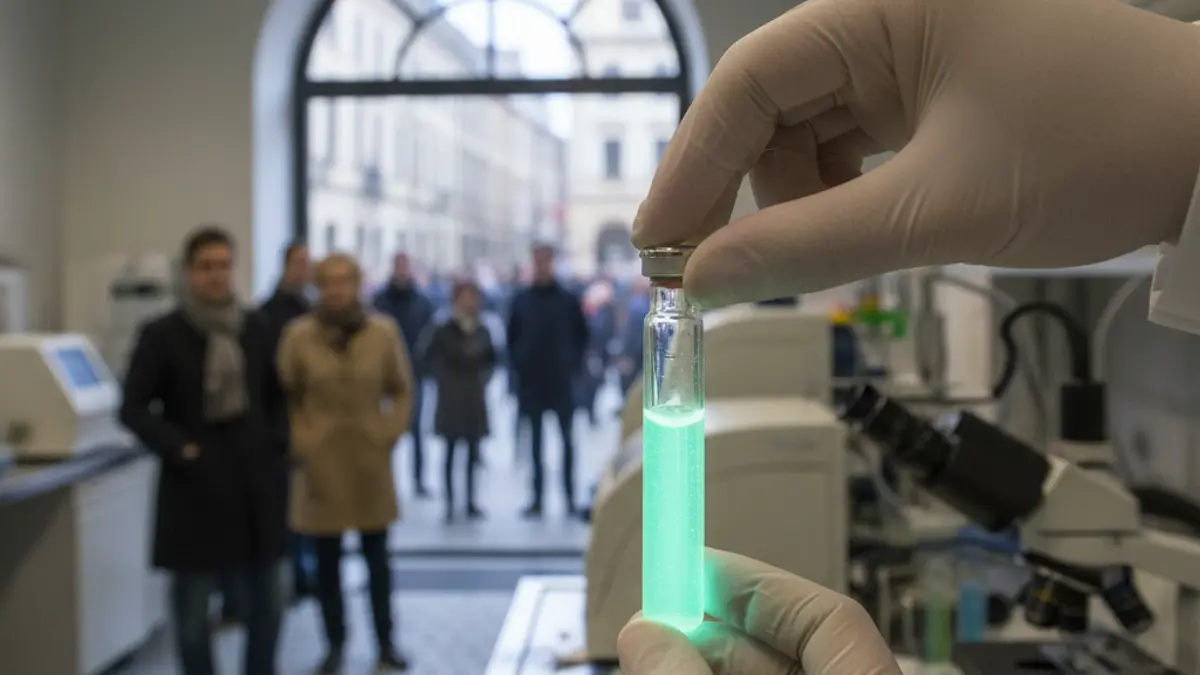
Generic image of scientific research in a laboratory.
IA

Generic image of scientific research in a laboratory.

The Maimonides Biomedical Research Institute of Córdoba (Imibic) has secured 1.3 million euros in European funding for a project investigating new ways to reduce chemotherapy resistance in pancreatic cancer.

The Hormones and Cancer group at Imibic and the University of Córdoba (UCO) are participating in the Reach project, a multicentric European program. This program has received 1.3 million euros in funding to advance the fight against pancreatic ductal adenocarcinoma (PDAC), one of the most aggressive and lethal forms of pancreatic cancer.
According to Imibic, this financial grant recognizes the scientific quality and potential clinical impact of the study. Furthermore, it highlights the institute's research groups' ability to integrate into high-level collaborative networks. Imibic's participation in this project strengthens its position in competitive biomedical research, especially in international programs aimed at accelerating the transfer of knowledge to clinical practice.
The funding is part of the Transcan 3 Joint Transnational Call for Proposals 2023 program, which focuses on translational research into cancer epigenetics. In Spain, this program is supported by the Carlos III Health Institute and the Spanish Association Against Cancer Foundation.
Scientifically, the project explores epitranscriptomics, a little-studied field in pancreatic cancer, which analyzes chemical modifications of RNA and their influence on cellular behavior. The study focuses on the role of N6-methyladenosine (m6A) in regulating chemoresistance, with the aim of identifying new therapeutic strategies to increase tumor sensitivity to conventional treatments.
To achieve this, the work uses tumor-targeted nanoparticles that deliver modulators of m6A “writers,” “erasers,” and “readers” directly to tumor cells and cancer stem cells. These cells are responsible for therapeutic resistance, relapses, and metastatic progression. The goal is to reprogram the tumor's epitranscriptomic landscape and improve its response to standard chemotherapy.
The study will be evaluated in advanced preclinical models, including patient-derived xenografts and 3D cultures. The ultimate goal is to translate these discoveries into more effective and personalized therapies that can significantly prolong the survival of patients with this disease. The Hormones and Cancer group will contribute its expertise to this collaborative effort, focusing on defining the role of RNA processing and determining a predictive signature for treatment response.
The international consortium integrating the project consists of five institutions from four different countries. It is coordinated by a researcher from the Ramón y Cajal Health Research Institute (Irycis) and includes principal investigators from Imibic, the Slovak Academy of Sciences (Slovakia), the Fraunhofer-Gesellschaft zur Förderung der angewandten Forschung e.V (Germany), and the Biomedical Research and Study Center of Latvia (Latvia).