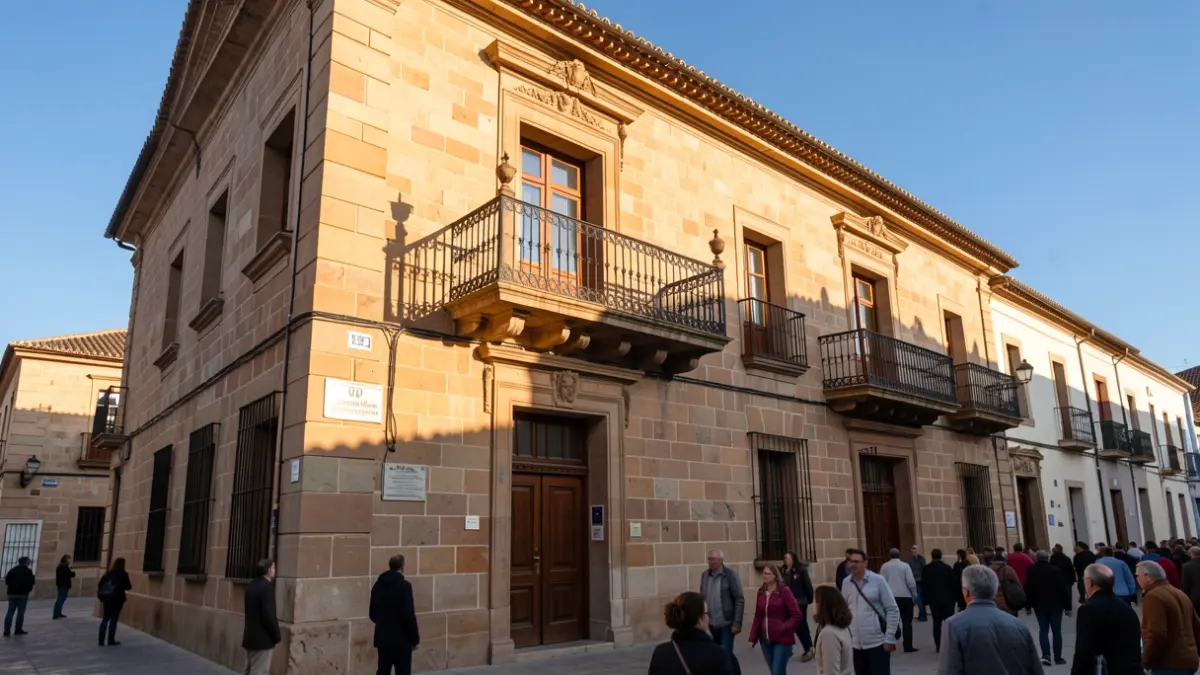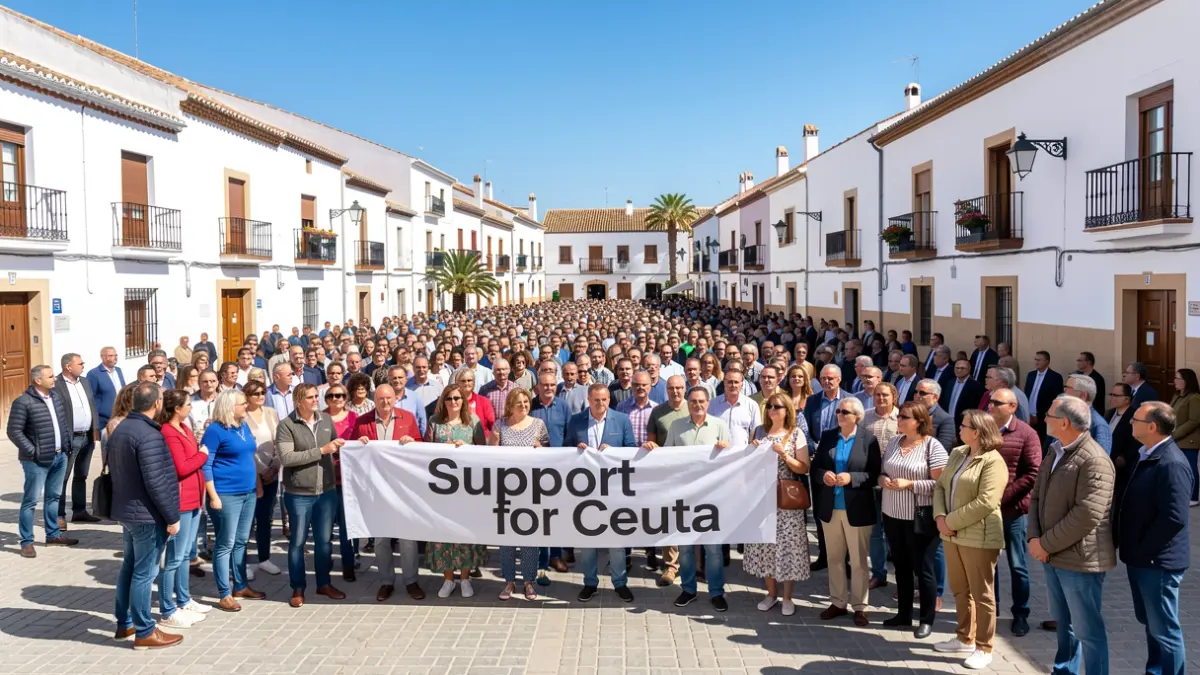
The Social Council of Córdoba has issued a unanimous negative opinion on the City Council's proposal to reintroduce a lottery system for the allocation of protected housing (VPO). The consultative body believes this system is more "unjust" than the current scoring model.
Although the opinion is not binding, it represents a significant warning to the council, as the Social Council brings together various social, economic, professional, and neighborhood agents from the city. The proposal, approved by the Local Government Board on June 8, still requires the Plenary's approval.
In its report, the Social Council questions the reasons for abandoning the scoring system, arguing that it is "fairer" and that lotteries should only be used in "exceptional cases." It references a report from the Regional Ministry of Development, Territorial Planning, and Housing of the Junta de Andalucía, which suggests that while lotteries are valid, they are not the fairest as they do not consider applicants' personal, family, and economic circumstances.
The consultative body also warns that a "random system" could lead to legal uncertainty due to "a large number of contradictions" in the regulation. This view contrasts with the government team's stance, which defends the measure as a way to provide "more opportunities to long-term applicants" who were left in reserve.
Consequently, the Social Council's Plenary recommends that the City Council reconsider the regulation and maintain scoring as the primary criterion for VPO allocation, reserving lotteries only for exceptional circumstances. Municipal government spokesperson Miguel Ángel Torrico had previously indicated that the frequency of lotteries would be determined annually or after the allocation of 500 homes.
The unfavorable report also raises concerns about the transitional regime, which could disadvantage registered applicants who have already been scored, and points out contradictions in access requirements, such as the lack of specificity regarding the maximum income limit and potential reduced access for vulnerable families.
Finally, the Social Council questions the promoter's authority to choose awardees and criticizes the legal and legislative technique used in drafting the text. Despite the objections, it reiterates its support for Vimcorsa to continue promoting affordable protected housing developments in the city.