
The province of Córdoba is experiencing a calm situation regarding the West Nile Virus (WNV) this summer, with only six mild infections recorded to date across all of Andalucía, all of them in Sevilla. This control is attributed to the collaborative work between the Provincial Council, the University of Córdoba (UCO), and the Andalusian Center for Research on Zoonoses and Emerging Diseases (Caziem).
The collaboration agreement for the prevention of West Nile Fever was recently ratified. The president of the Provincial Council, Salvador Fuentes, announced financial aid for municipalities: 3,730 euros for low and medium-risk areas, and 5,000 euros for high-risk ones. For 2025, an expansion of sampling and the incorporation of precision technology in critical areas such as intensive irrigation and equine farms are planned.
The director of Caziem, María Ángeles Risalde, explained that the situation in Córdoba appears to be under control, although the mosquito concentration is higher this year across Andalucía. WNV is primarily transmitted by mosquitoes, which originate from birds and have traditionally been received by equines, especially horses.
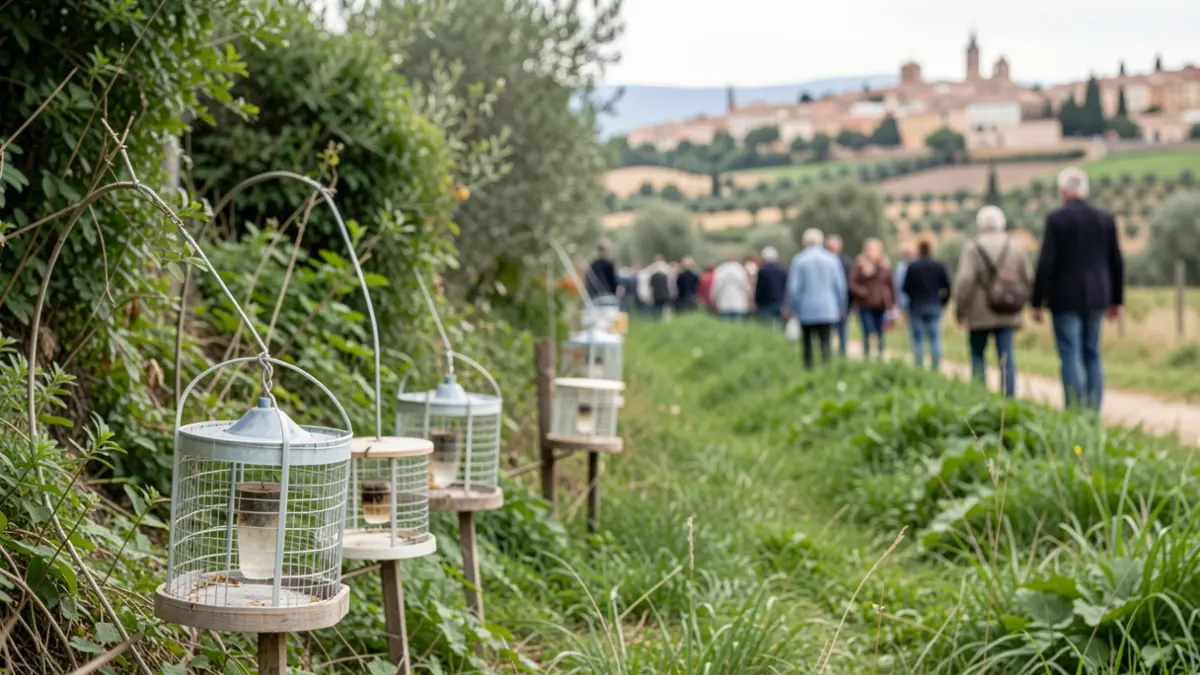
In Córdoba, 20 mosquito traps are operational, with weekly evaluations at fixed points and four rotating itinerant traps across the province. Prevention is the main strategy against this virus, and the Regional Ministry of the Presidency, Health, and Emergencies has published a guide of good practices.
The areas of highest risk in the province are located in the Guadalquivir basin, particularly near Sevilla. Municipalities such as Guadalcázar, La Carlota, La Rambla, Montalbán, and the southern part of the province show a high risk of mosquito presence. Specifically, 14 municipalities are at the maximum danger level, including Alcaracejos, Peñarroya-Pueblonuevo, Fernán Núñez, Fuente Obejuna, Lucena, Palma del Río, Puente Genil, Villanueva, Villanueva del Rey, and Iznájar.
Bujalance was recently added after a WNV positive was detected in a mosquito 1.5 kilometers from the urban center, with no perceived risk of transmission. Prudence is advised for the remainder of the summer.
Preventive measures for the public include the use of repellent, especially at dawn and dusk, wearing light-colored clothing, and using mosquito nets. It is advisable to avoid high-risk areas with migratory birds and wetlands, which are the main reservoirs for mosquitoes.


