Open to the public since December 4, 2025, the exhibition represented an investment of 1.2 million euros by the Córdoba City Council. It was the first of its kind in Spain and one of the few globally dedicated exclusively to childhood and adolescence in the Pharaonic civilization, exceeding all expectations in terms of quality and attendance.
“"The exhibition has been a significant challenge due to its theme, the quality of the pieces displayed, and its educational nature. The main objective was to boost cultural offerings and strengthen tourism during the low season."
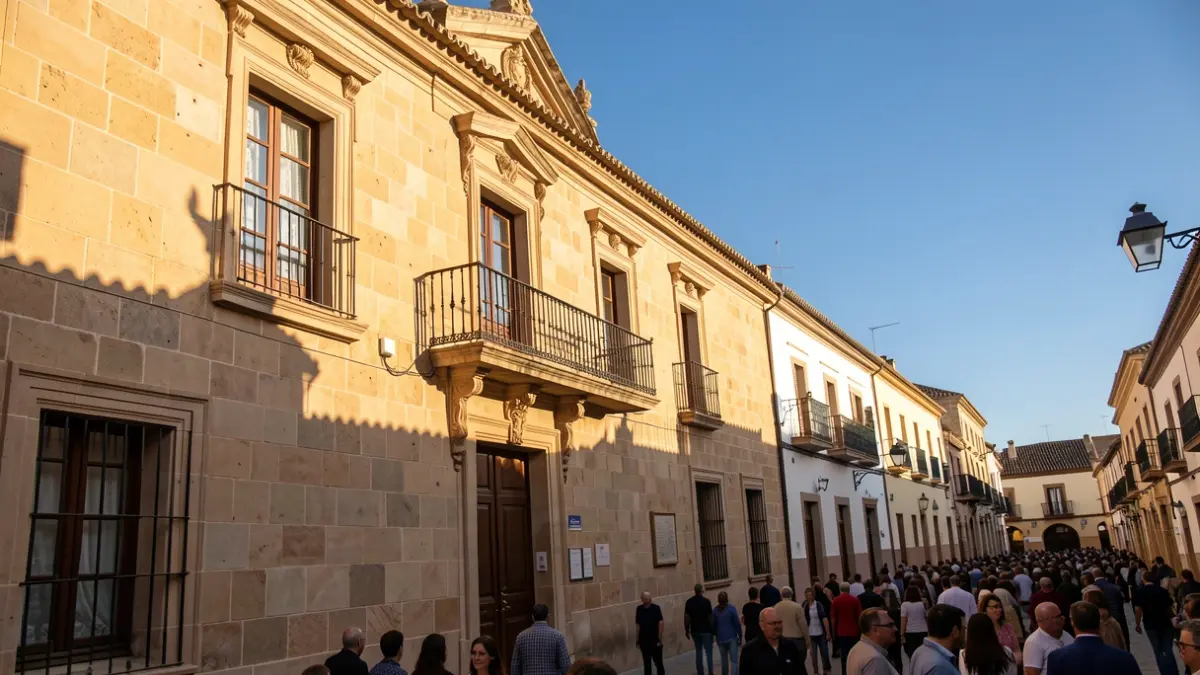
Córdoba's Mayor, José María Bellido, emphasized that the exhibition's success extends beyond its undeniable artistic quality, reflecting a significant achievement in the city's cultural and tourism revitalization strategy. The exhibition was housed in two venues, Sala Vimcorsa and Sala Orive, which welcomed 52,524 and 43,609 visitors, respectively.
This event has become the most visited exhibition in the 25-year history of Sala Vimcorsa, surpassing the Julio Romero de Torres exhibition of 2003 by over 10,000 attendees. Despite challenges faced in January and February, such as the lack of High-Speed Rail and intense storms that even forced the closure of access to the Jardín de Orive, public interest remained strong.
The educational impact was also notable, with 2,690 schoolchildren from 31 educational centers participating in organized visits, and 550 attendees at 11 talks. Felicia Galindo, national director of Eulen Art, highlighted the project's international dimension, stating that Córdoba has demonstrated its ability to position itself in the global circuit of major exhibitions. She also revealed interest from various institutions in the United States, Canada, and South America in the possible touring of the exhibition.
The City Council has expressed its satisfaction with the results, especially as Córdoba prepares to be the Mediterranean Capital of Culture next year. In this context, Bellido announced that the next major exhibition will be Córdoba Romana, scheduled from November 5, 2026 to February 7, 2027.