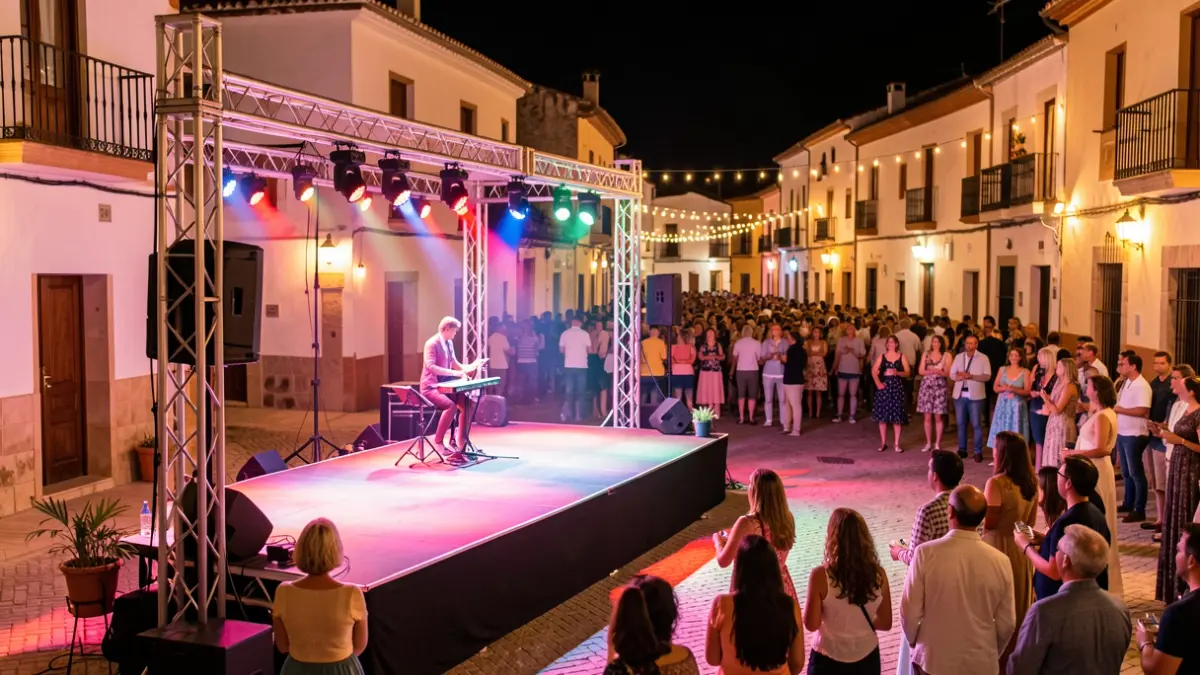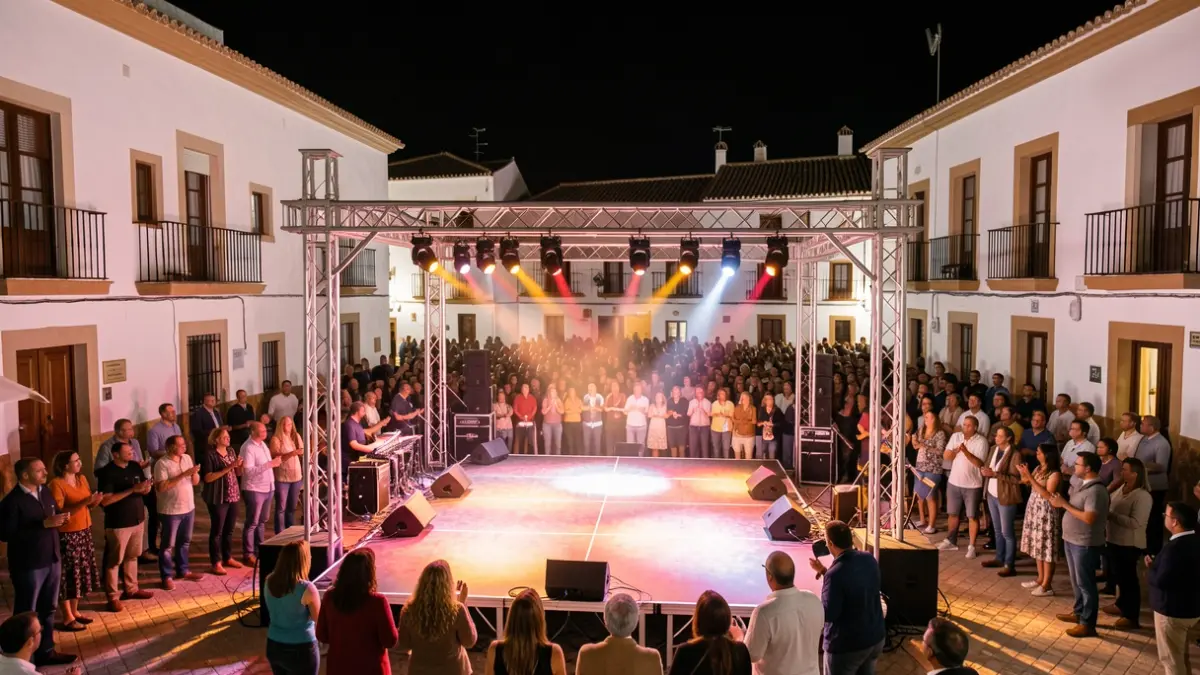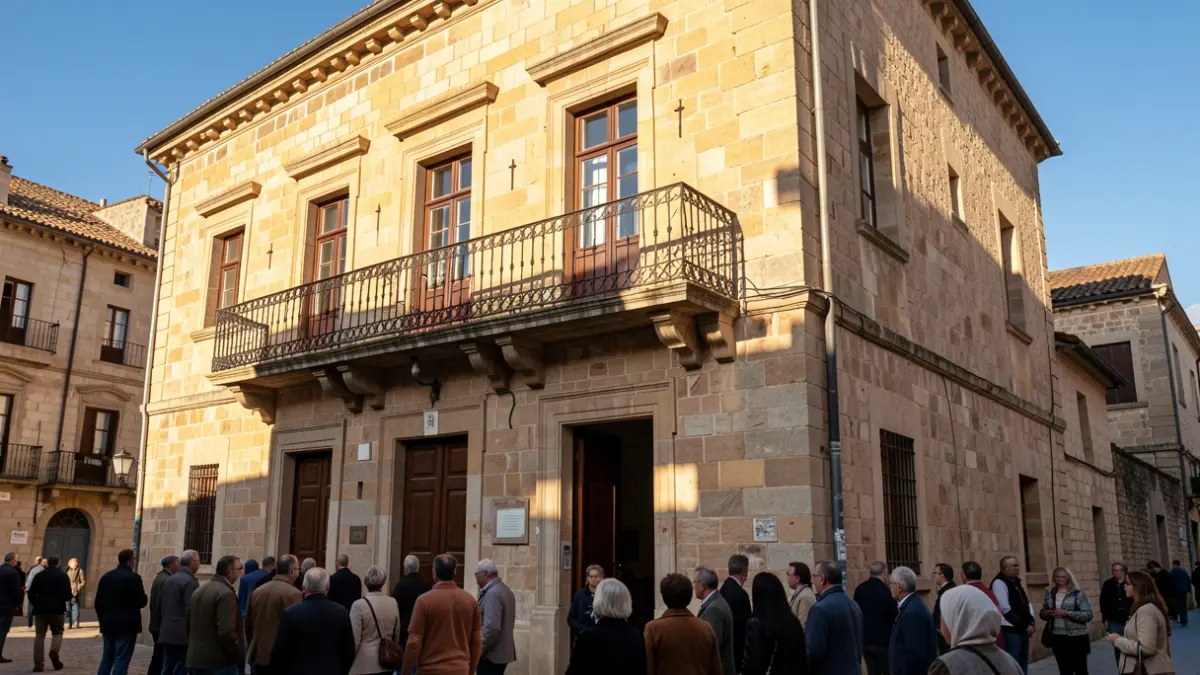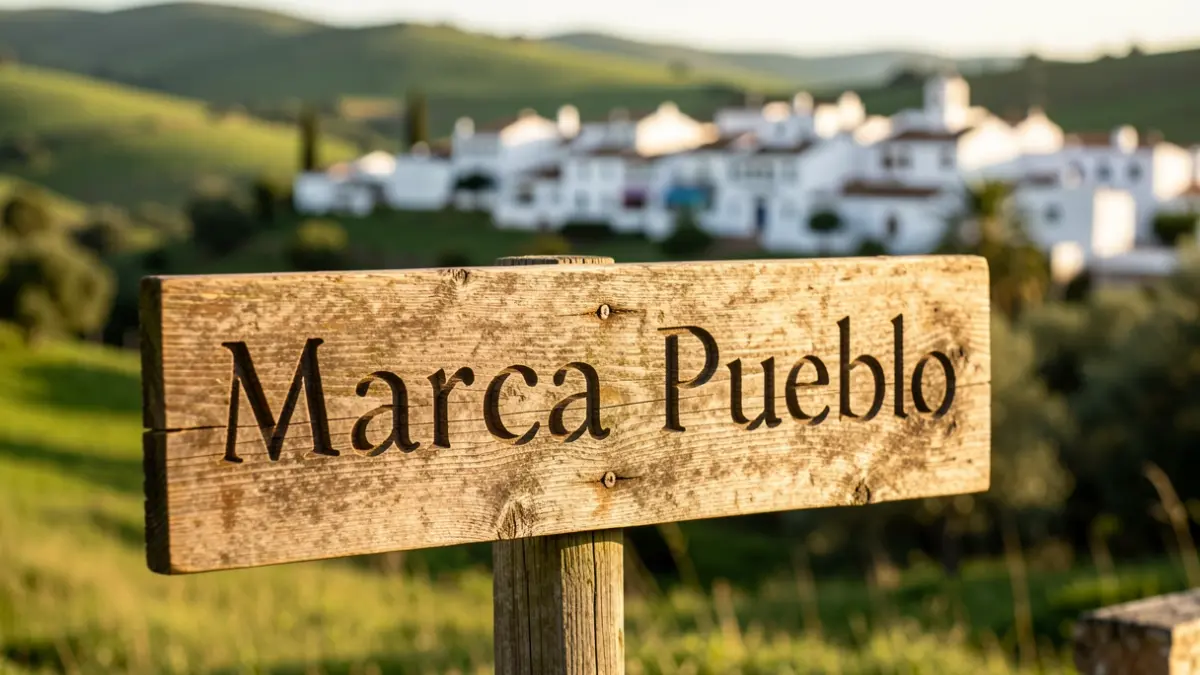
The presentation of 'Marca Pueblo', which had previously been recognized at the Spanish Senate on June 9th, served as the inaugural event for the congress of the Spanish Association of Mountain Municipalities (esMontaña). José Luis Caparrós, Professor of Applied Economics at the UAL, detailed the initiative's methodology, titled 'Network of Green Rural Municipalities of Almería', emphasizing its ability to transform each municipality's identity into local development opportunities.
Caparrós highlighted the positive reception of the proposal among attendees, who were mostly mayors and managers from mountain municipalities across various Spanish regions. This included representatives from the Catalan Pyrenees and Huesca, as well as from Castilla y León, Galicia, Valencia, and the Andalusian provinces of Jaén and Córdoba. The initiative values citizen participation, natural and cultural heritage, and the need to link resources to keep villages alive, also acknowledging the role of mountain dwellers and the environmental services they provide.
The participation in the congress was highly valued by the UAL, as it allowed them to showcase their work and its potential applications in other territories facing similar challenges. The interest shown by attendees has opened avenues for future collaborations and the adaptation of the 'Marca Pueblo' methodology to other mountain municipalities. The UAL's contribution to the development of Almería's rural mountain areas was particularly noted, and other universities were encouraged to launch similar projects.
The congress also served to highlight the mountainous character of the province of Almería, an aspect often overlooked nationally due to the prominence of intensive agriculture and coastal tourism. Following the 'Marca Pueblo' presentation, the congress continued with the General Assembly of the Spanish Association of Mountain Municipalities. The UAL's project is based on territorial diagnosis, citizen participation, the Agenda 2030, applied research, and social transfer, and is designed to be exportable to other Spanish regions.